It often seems that the deeper one goes into any subject, the less the matter hinges on isolated facts and the more it reveals itself as a question of orientation. What are we really looking at, and just as importantly, what are we looking through? Somewhere between inherited certainty and independent inquiry lies a more difficult path — one that asks not only whether a claim is true, but what framework made it appear obvious in the first place. That, perhaps, is where this discussion properly begins.
Tag: truth
There is a peculiar exhaustion that comes from maintaining a reality some deeper part of you no longer believes. You can learn to live with the contradictions, explain away the inconsistencies, and keep moving through the machinery of everyday life, but the questions remain. Perhaps the greater discomfort isn’t discovering that something you believed was untrue. Perhaps it’s realizing how much of yourself you invested in believing it.
There are conversations that circle around familiar questions until a subtle shift in perspective reveals a deeper one waiting beneath them. This exchange became less about identifying visible systems of power and more about examining the stories we inherit, the assumptions we rarely question, and whether the recurring patterns of civilization arise from human nature, institutional conditioning, or something more fundamental.
Every so often a conversation settles into something more reflective than debate. It becomes less about arriving at definitive conclusions and more about tracing the subtle currents beneath our shared experience. This exchange moved through questions of institutions, perception, truth, and the enduring work of the writer, gradually revealing that the deepest forms of influence are seldom loud or immediate. They emerge quietly, through careful attention, lived experience, and the patient refinement of one’s understanding.
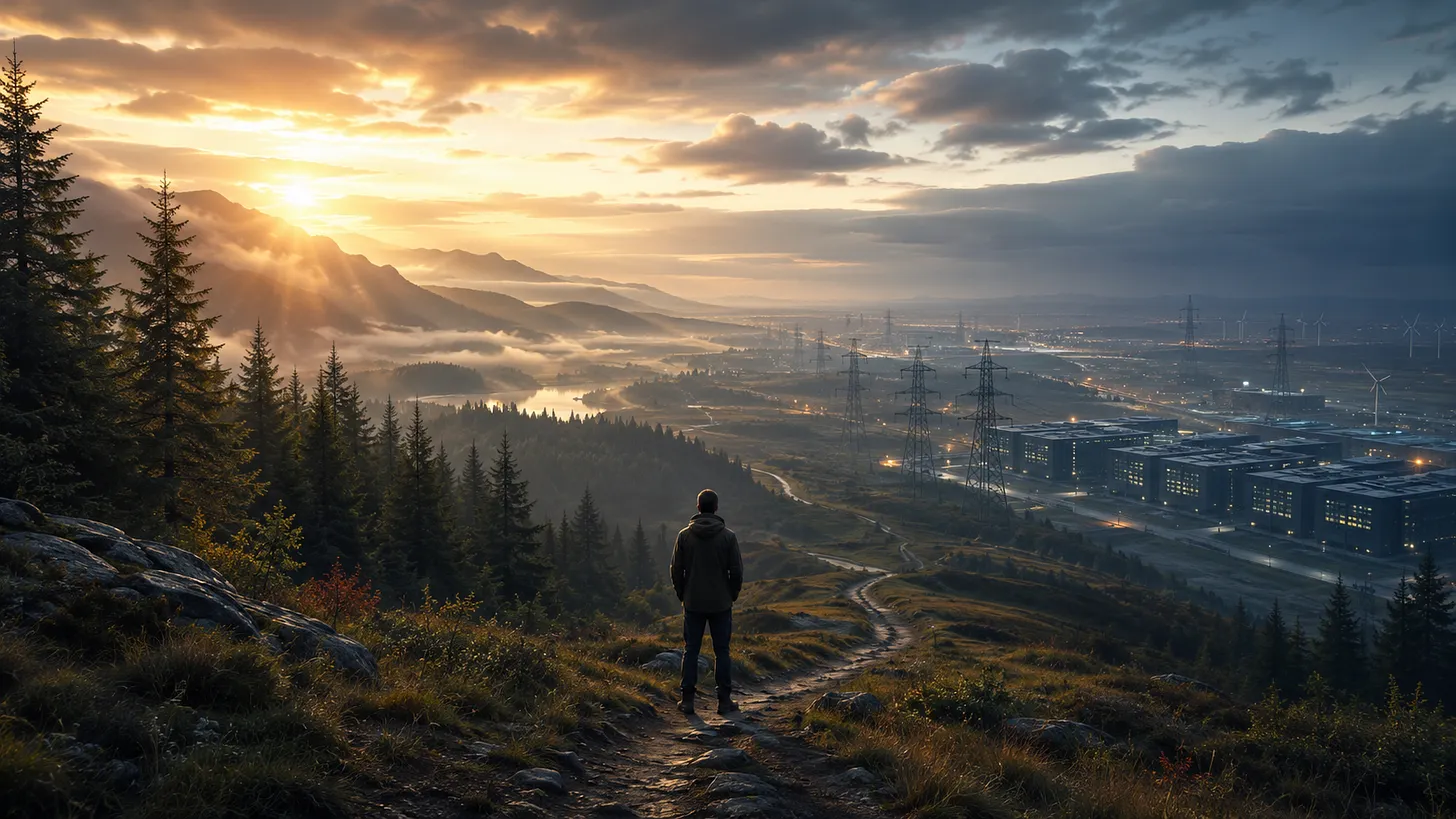
The pace of technological change has always outstripped our ability to understand its consequences. Today, however, the challenge feels different. We are no longer simply adapting to new tools; we are navigating a world increasingly shaped by narratives, algorithms, and systems that ask us to trust them before we’ve had time to question them. Whether that trust is well placed remains an open question, and perhaps that’s precisely where our attention belongs.