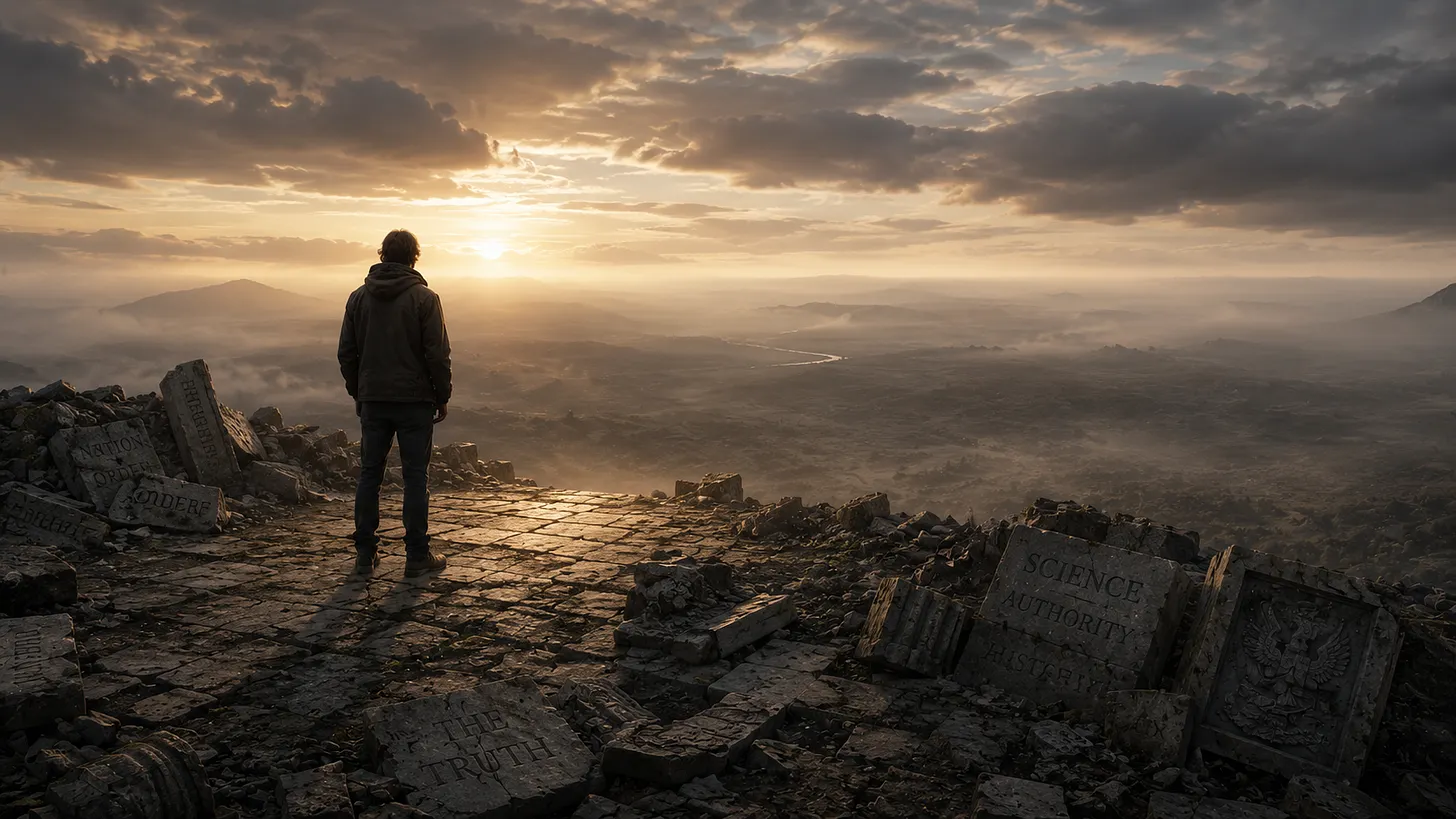
There is a peculiar exhaustion that comes from maintaining a reality some deeper part of you no longer believes. You can learn to live with the contradictions, explain away the inconsistencies, and keep moving through the machinery of everyday life, but the questions remain. Perhaps the greater discomfort isn’t discovering that something you believed was untrue. Perhaps it’s realizing how much of yourself you invested in believing it.
Tag: politics

Beyond the Earthquake: Truth, Power, and Perception
Interpreting Crisis Beyond the Headlines
Every event carries more than its immediate consequences. Beyond the headlines, casualty counts, and official statements lies another layer of inquiry, one concerned less with certainty than with the frameworks through which we arrive at it. Whether the subject is a natural disaster, a political crisis, or a cultural moment, what we choose to believe often reveals as much about ourselves as it does the event before us. This conversation unfolded within that tension, exploring not only what happened, but how we decide what is true in the first place.
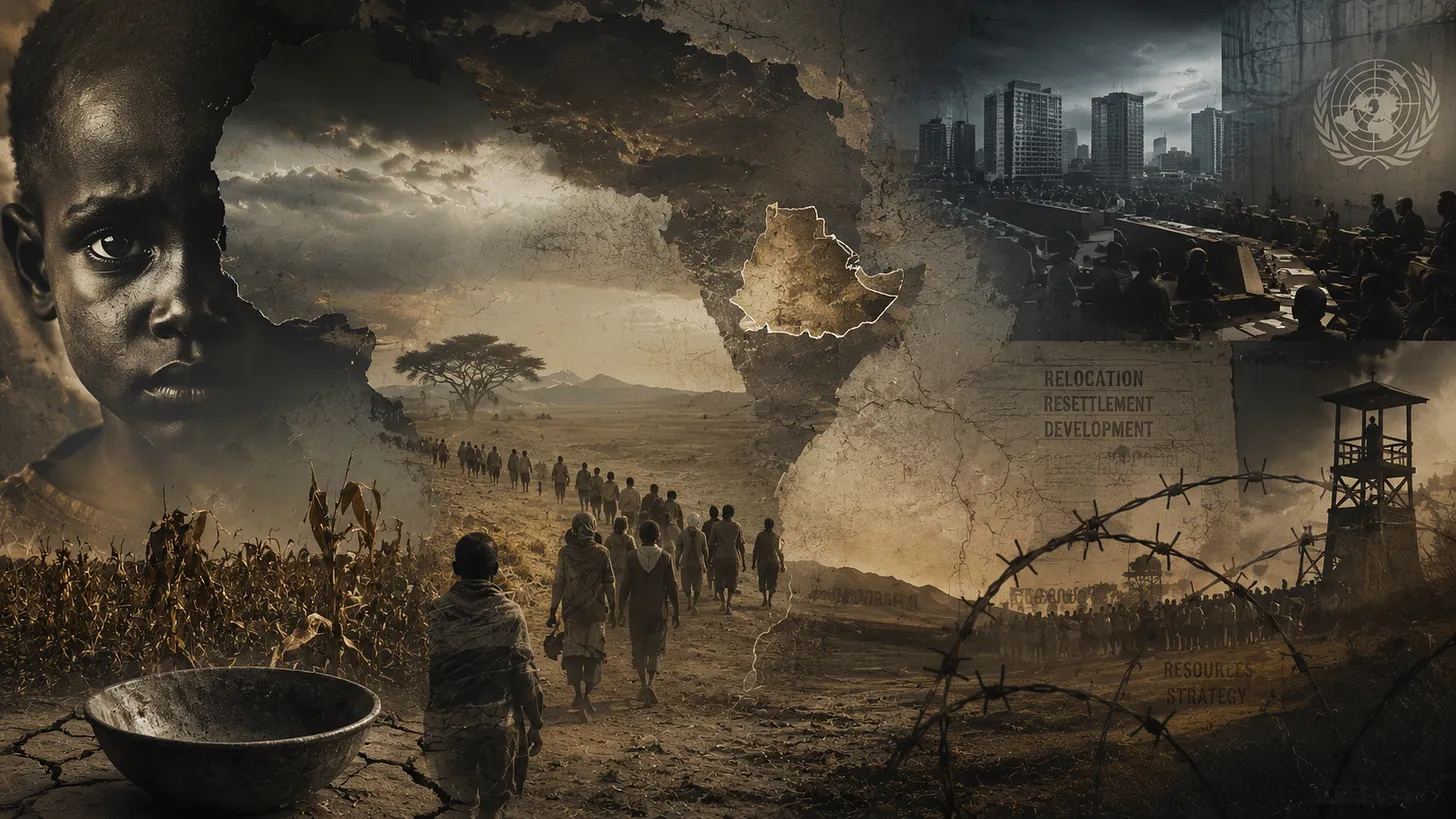
History has a peculiar way of echoing through the present. Sometimes the parallels are obvious; more often they reveal themselves through recurring patterns that transcend borders, ideologies, and generations. This discussion began with a closer look at the Ethiopian famine of the 1980s, but soon widened into a broader reflection on state power, collective memory, institutional narratives, and the enduring tension between human dignity and systems of control. Whether one agrees with every conclusion or not, the recurring questions themselves remain worthy of careful examination.

What Are We Building?: Technology, Economics, and Human Purpose
Questions for an Uncertain Era
There is a peculiar tension in the air today. Beneath the language of progress, innovation, sustainability, and growth lies an increasingly difficult question to ignore: who, exactly, is benefiting? The systems that shape our daily lives seem larger, more sophisticated, and more interconnected than ever before, yet many people find themselves feeling less secure, less represented, and more dependent. Whether one views this as a temporary phase or evidence of something deeper unfolding, it has become difficult to overlook the widening gap between what institutions claim to serve and what they actually produce.

You don’t fight to win. You fight to prevent the psychopaths from destroying everything they touch.