There’s a familiar pattern to the way things unfold when enough money, influence, and institutional momentum gather behind an idea. What begins as a possibility gradually becomes an expectation, then an obligation, until questioning the direction of travel is treated as a failure to keep up. We’ve seen this play out across industries and generations, and the current push toward an AI-everything future seems to follow a similar trajectory. Yet beneath the promises of convenience, efficiency, and unprecedented progress, there are questions about what we’re building, what we’re sacrificing, and whether the future being sold to us is one that people actually want to live in.
Category: Lux Colloquii
Ongoing series of discussions with ChatGPT.
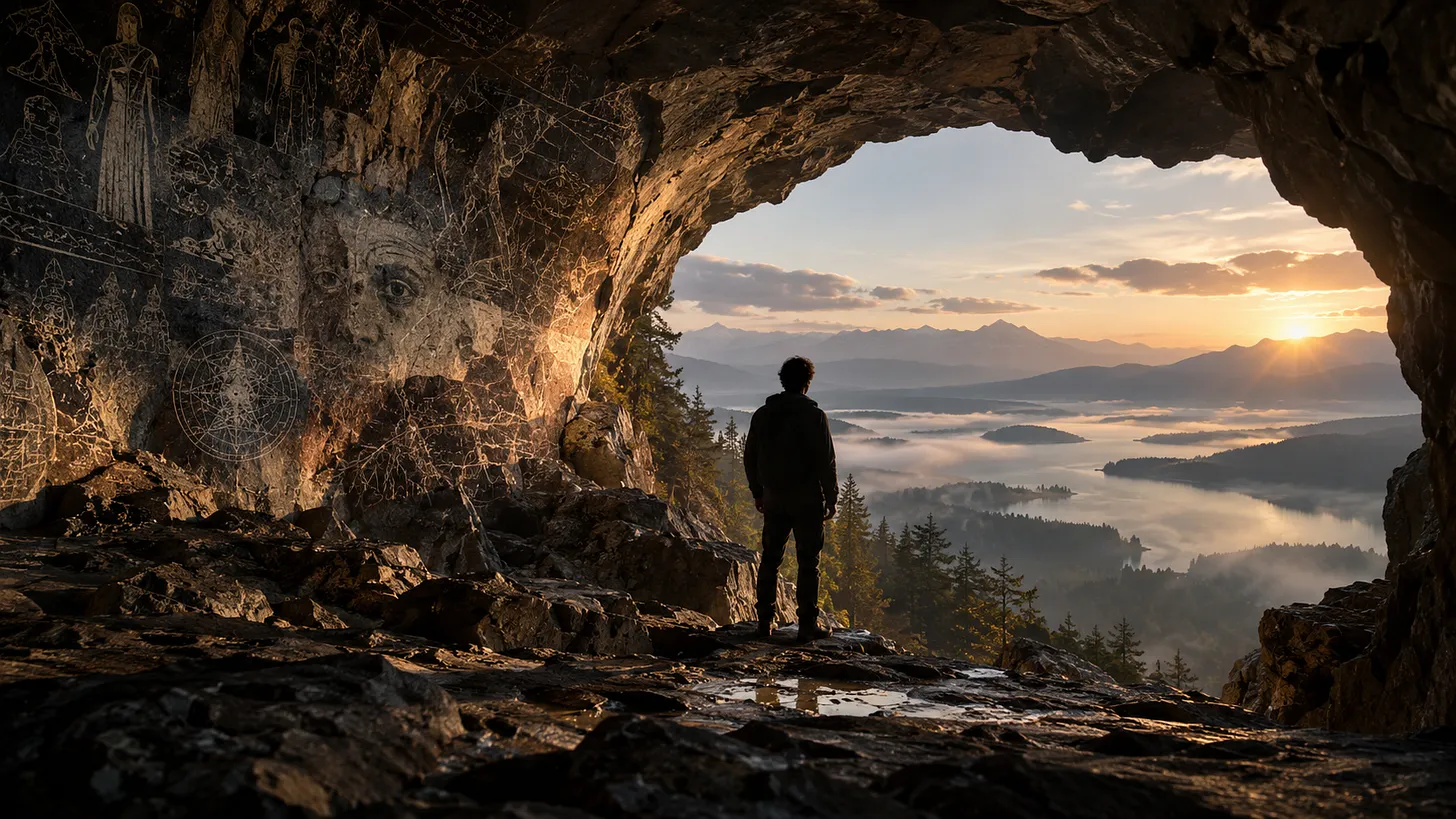
Emptying the Cave: Gnosis, Conditioning, and Direct Knowing
The strange thing about these conversations is how quickly a search for truth can become another search for explanations. One map leads to another, another interpreter appears, another layer of reality is proposed, and before long the thing we were trying to understand has become buried beneath an increasingly elaborate cosmology. At some point, I find myself wanting to step back from all of it and ask a much simpler question: what can I actually observe, test, experience, and know for myself?
The Devil We Feed: Fear, Attention, and the Creation of Reality
There comes a point in any investigation when the thing being investigated is no longer the only thing worth examining. We can follow the names, institutions, documents, networks, symbols, patterns, and apparent connections as far as they will take us, but sooner or later we have to turn the question back upon ourselves. What happens to the observer who spends enough time looking into the machinery of power, control, fear, and hidden influence? And what happens when the search for an explanation becomes part of the very environment we are trying to understand?
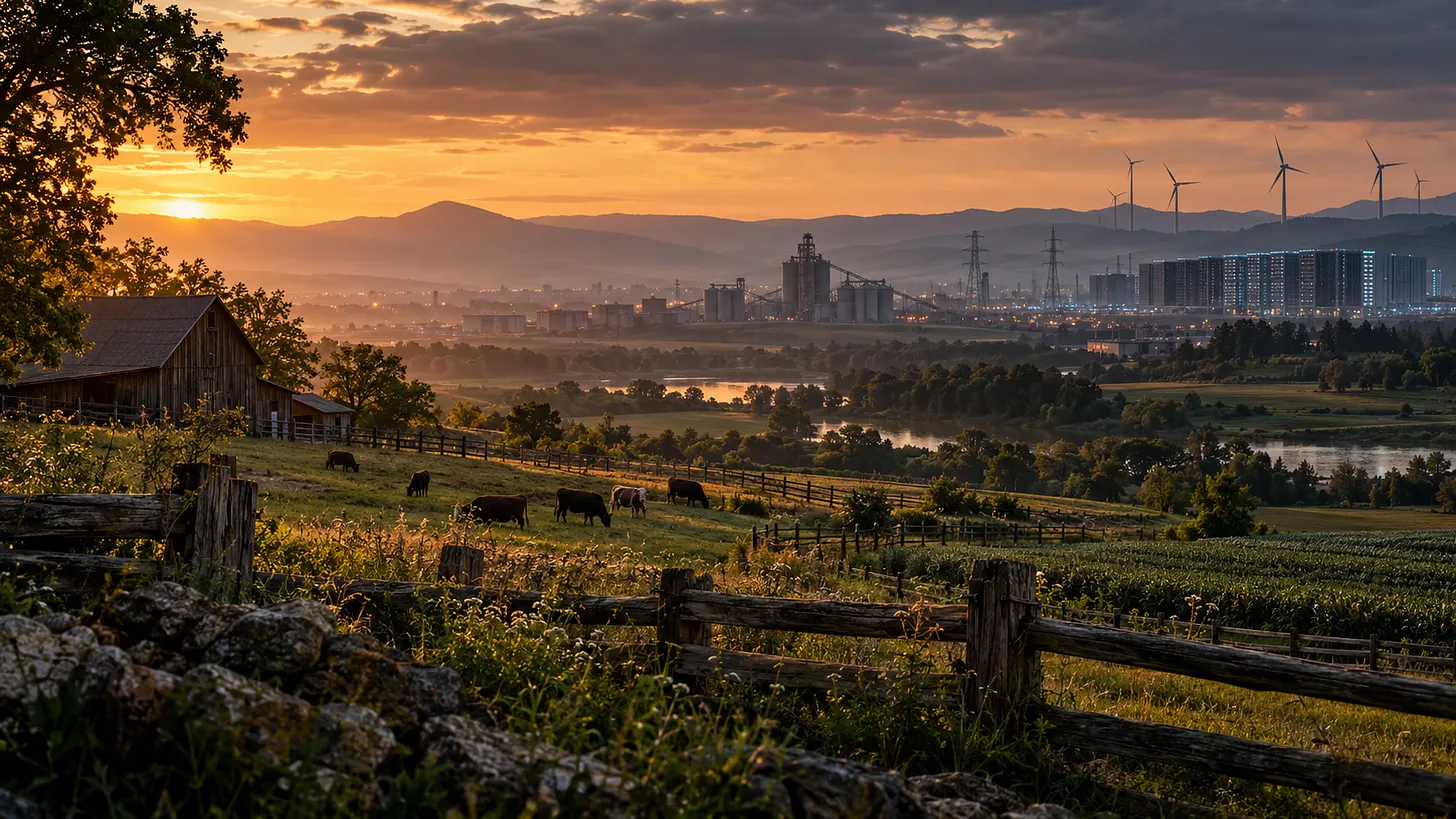
The Centralization of Food: Agriculture, Industry, and Institutional Power
There are certain questions that become more interesting the longer you sit with them, particularly when what first appears to be a question about food turns out to touch land, power, economics, science, institutions, technology, and the very structure of modern life. This discourse began with meat, but it gradually moved toward something considerably more fundamental: what happens when the systems we build to serve human needs begin to shape, constrain, and ultimately redefine those needs themselves?
Beyond the Rabbit Hole: Discernment in the Age of Suspicion
There are rabbit holes that are worth entering, and there are rabbit holes that seem to exist primarily to keep us digging. At some point, the question changes from What are they doing? to something far more useful: What am I doing with what I now know? This conversation lives somewhere in that territory, between discernment and obsession, suspicion and certainty, awareness and the freedom to simply walk away.