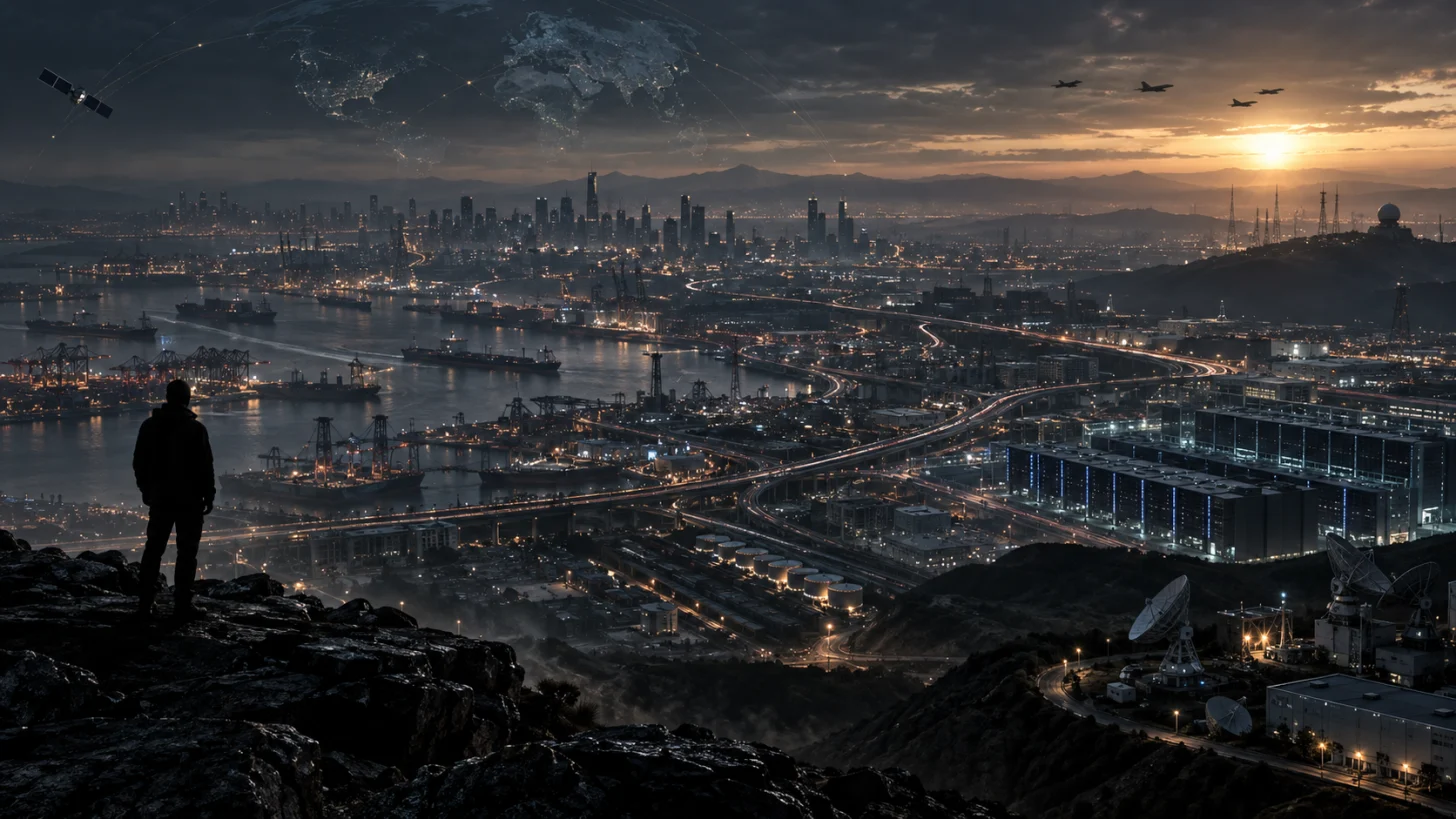
The conversation moves from the familiar statistic about America’s history of war into something broader: the machinery beneath the stories we inherit, the systems that shape what we believe, and the increasingly strange territory created by AI. What interests me here isn’t simply whether one side or another is right, but what happens when the structures themselves become harder to see, harder to question, and eventually difficult to distinguish from reality.
Tag: geopolitics
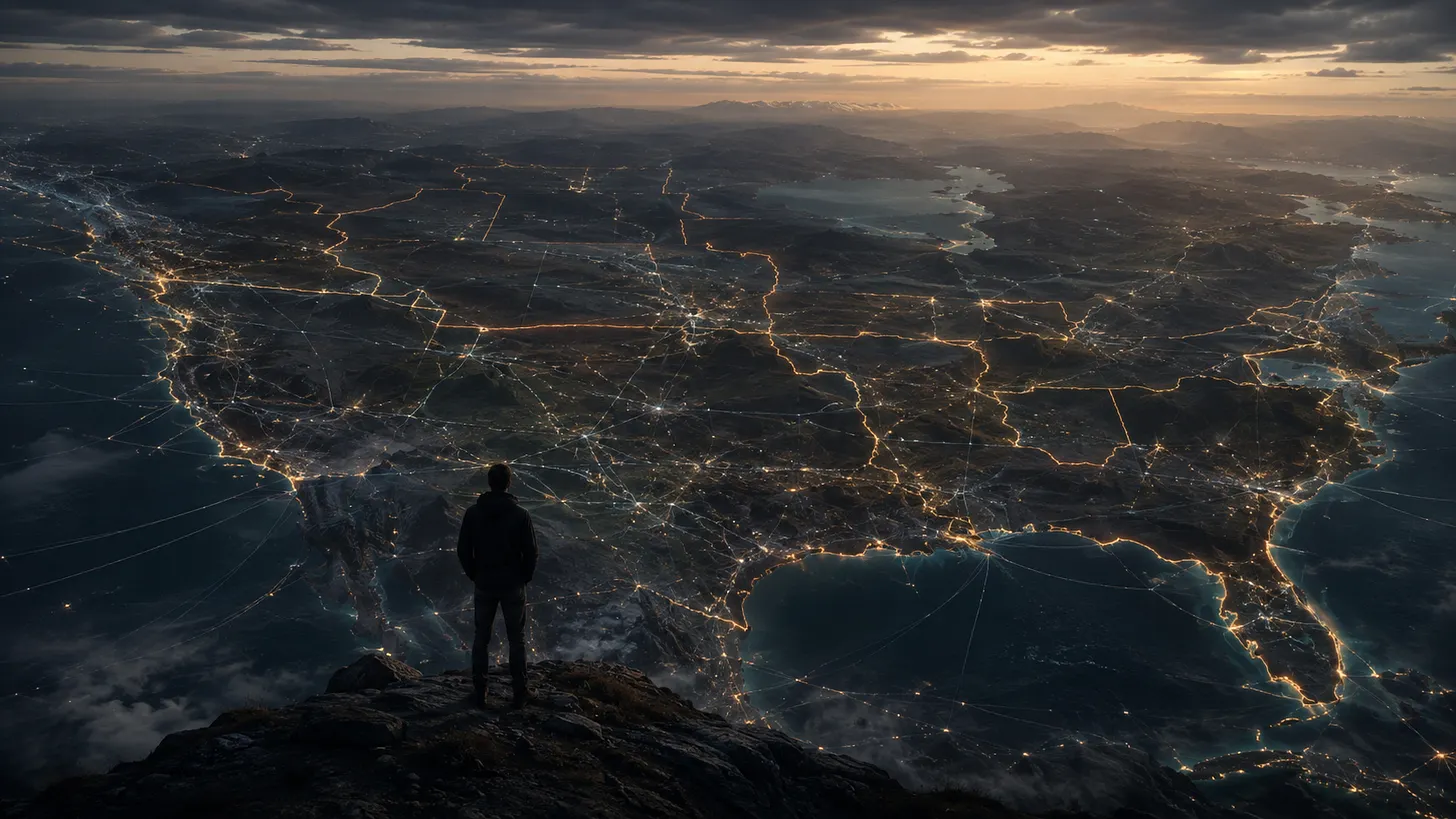
Fortress America: Beneath the Political Spectacle
The Architecture Beneath the Narrative
There are certain conversations that begin with a seemingly straightforward political question and quickly reveal themselves to be about something much larger. “Fortress America” is one of those ideas. Not because Trump himself is particularly interesting, but because following the structure beneath the rhetoric raises questions about power, sovereignty, narrative, and the systems within which we all operate.

Beyond the Earthquake: Truth, Power, and Perception
Interpreting Crisis Beyond the Headlines
Every event carries more than its immediate consequences. Beyond the headlines, casualty counts, and official statements lies another layer of inquiry, one concerned less with certainty than with the frameworks through which we arrive at it. Whether the subject is a natural disaster, a political crisis, or a cultural moment, what we choose to believe often reveals as much about ourselves as it does the event before us. This conversation unfolded within that tension, exploring not only what happened, but how we decide what is true in the first place.
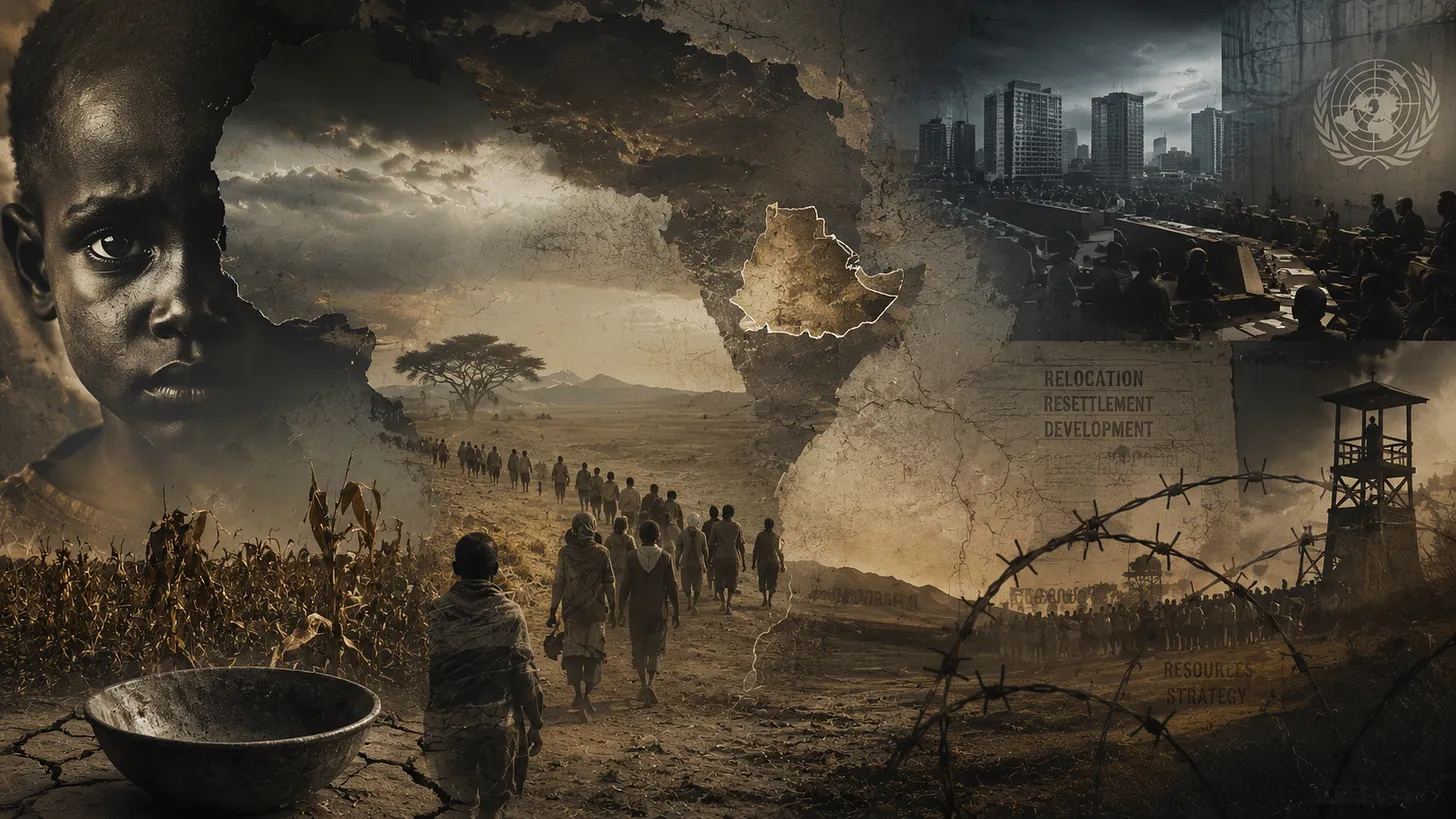
History has a peculiar way of echoing through the present. Sometimes the parallels are obvious; more often they reveal themselves through recurring patterns that transcend borders, ideologies, and generations. This discussion began with a closer look at the Ethiopian famine of the 1980s, but soon widened into a broader reflection on state power, collective memory, institutional narratives, and the enduring tension between human dignity and systems of control. Whether one agrees with every conclusion or not, the recurring questions themselves remain worthy of careful examination.

A familiar pattern is taking shape again — not loudly at first, but consistently enough to notice. Across film, television, and headlines, the same themes surface: space, contact, crisis, and revelation. The question is not whether these stories are being told, but why they are being told now, and what they are preparing us to accept.