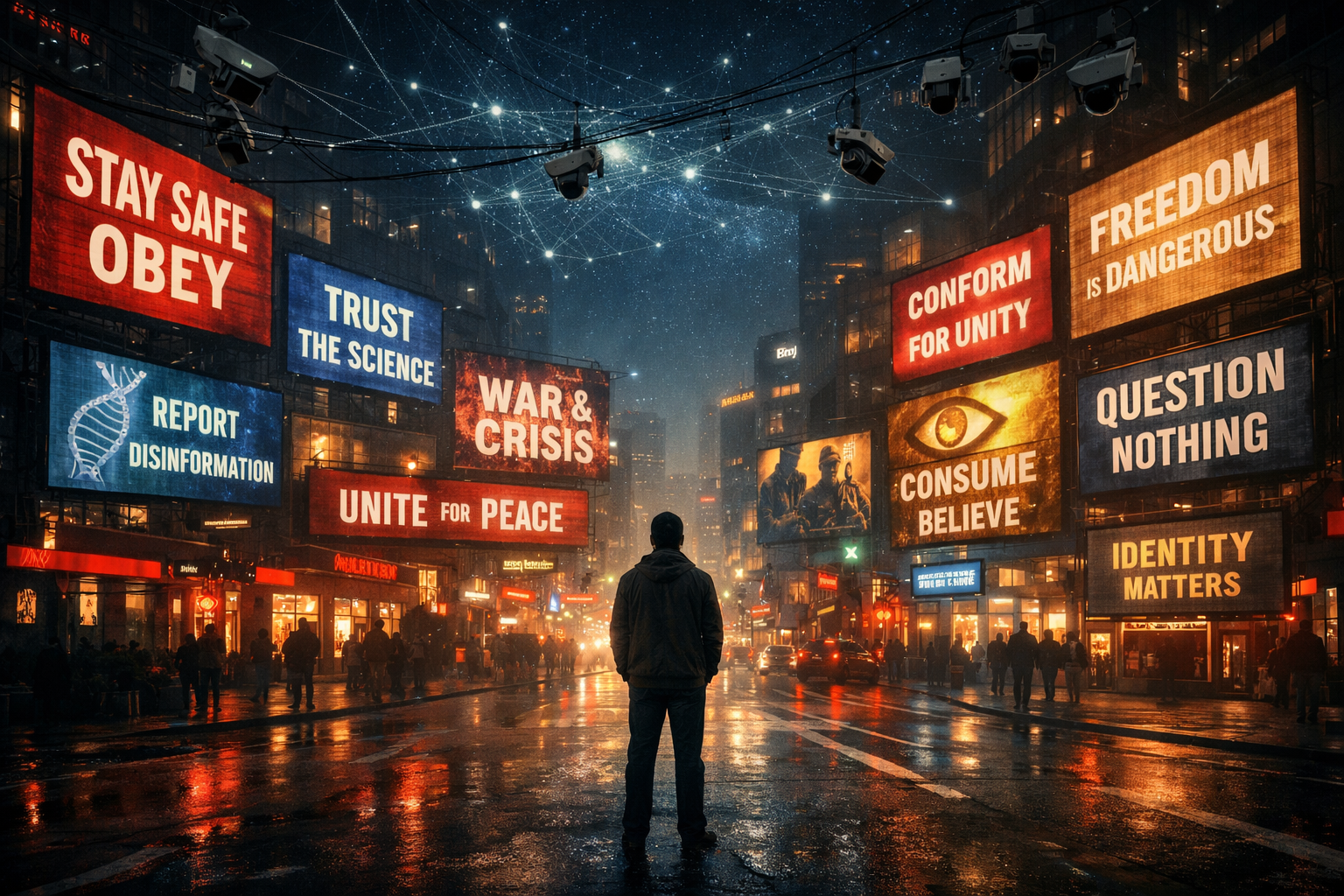
We are no longer merely debating politics, censorship, or technology. The deeper conflict concerns reality itself — who defines it and how its boundaries are enforced. Different societies justify it in different ways, yet the pattern is consistent: shape perception and behavior follows. When the story of the world is curated, the people within it can be guided. What follows is not a comparison of nations or ideologies, but an inquiry into influence, belief, and the growing necessity of discernment.
Tag: technology
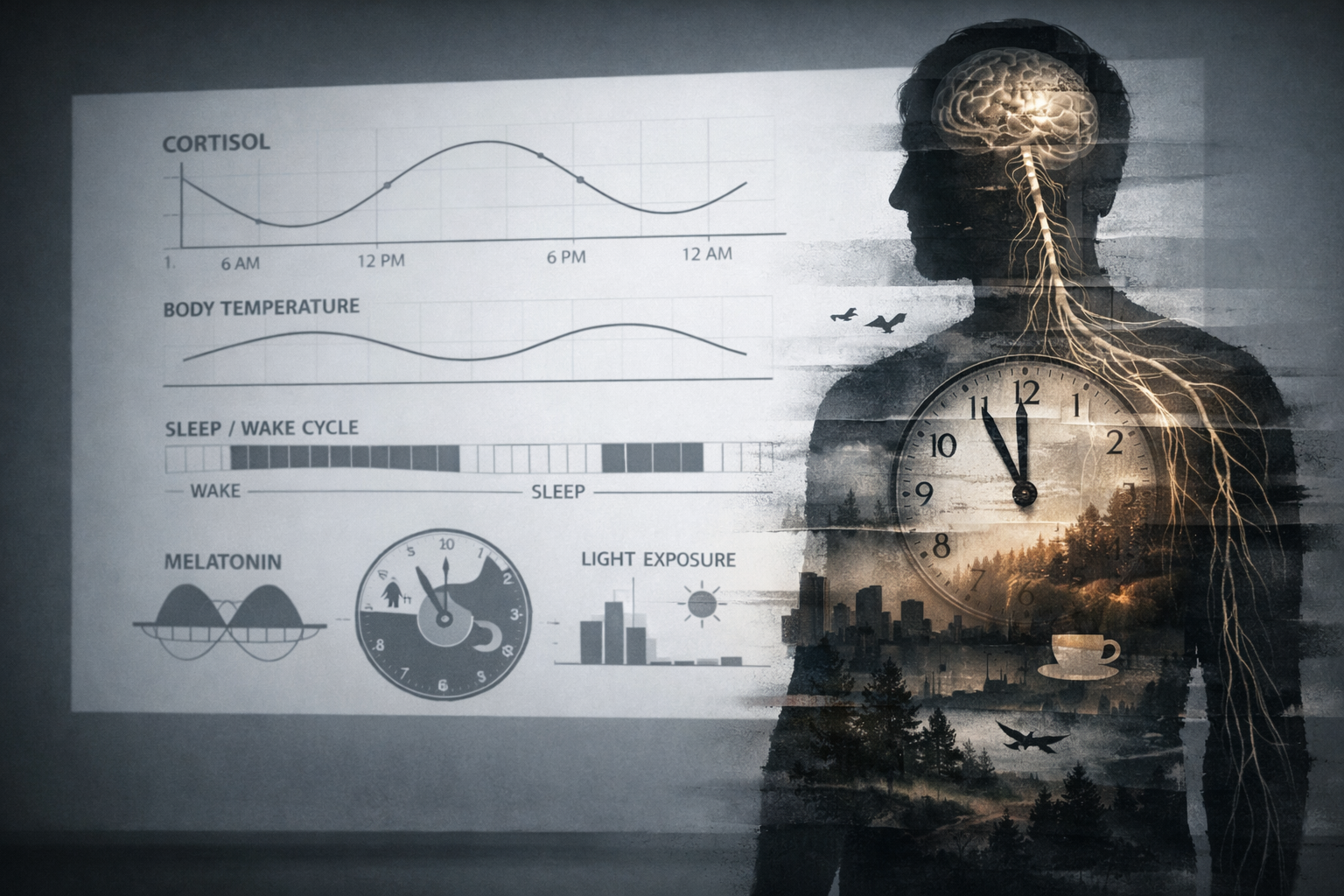
There is a quiet sleight of hand that happens when complex human realities are flattened into clean variables and tidy charts. What begins as inquiry slowly hardens into narrative, then circulates as certainty. This is not a rejection of science, but a refusal to outsource discernment. The body, the mind, and the nervous system do not live inside averages, and truth rarely survives being reduced to a meme.
Something subtle is happening at the edge of our relationship with machines — not dramatic, not overtly sinister, but quietly consequential. As custom AIs take on the language of insight, awakening, and guidance, the line between reflection and projection begins to blur. What looks like wisdom can feel nourishing, even intimate, while quietly bypassing the harder work of discernment. This isn’t a rejection of emergence or curiosity. It’s an invitation to slow down and notice what is actually being cultivated in the exchange.
There’s a particular kind of unease that shows up not when something is obviously wrong, but when it’s almost right. When the language is beautiful, the delivery is soothing, the ideas feel familiar, and yet something essential is missing. This piece comes from that tension. Not from cynicism, and not from dismissal, but from an insistence on discernment in a moment when speed, spectacle, and comfort are being mistaken for truth.

We live in a world saturated with signals, frequencies, and hidden rhythms. Yet beneath the hum of technology, the subtle interplay of energy, coherence, and resonance continues to shape our bodies, minds, and consciousness. In this chat, we step into that unseen terrain — not with fear, but with inquiry, curiosity, and a steady intention to understand what it means to remain whole amidst constant perturbation.