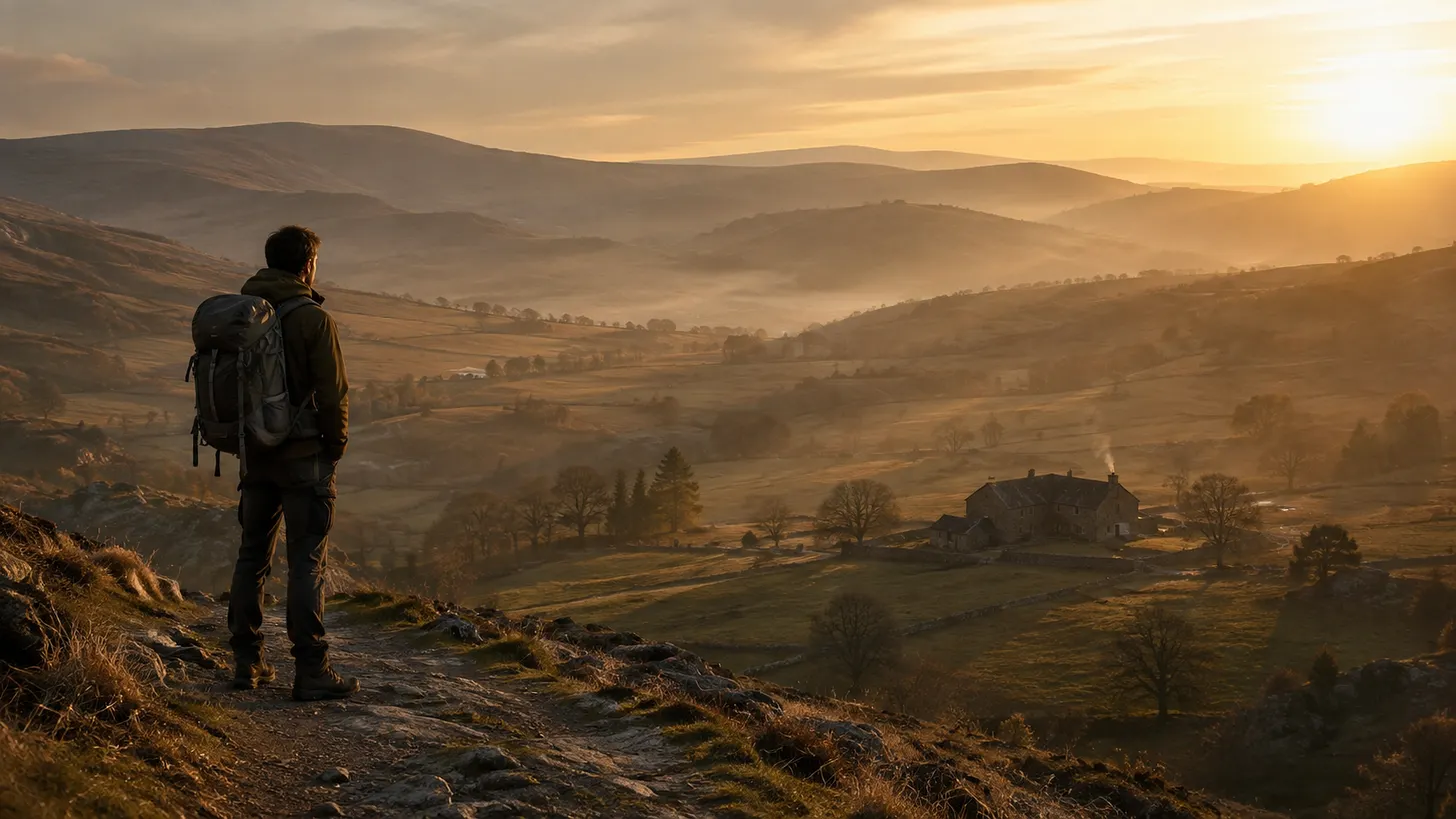
There are moments when another person’s choices expose something in us that we would rather not examine. Their willingness to risk, commit, uproot, rebuild, and begin again can become an uncomfortable mirror — not because we should imitate them, but because their movement reminds us of where we have remained still.
Tag: community
Living Systems, Extractive Systems: Beyond the Next Promise
On Progress and the Human Condition
There comes a point, after enough observation and enough inward wrestling, when the appetite for grand explanations begins to soften. Not because the questions no longer matter, but because life has a way of revealing that many of our most pressing troubles do not yield to scale, speed, or certainty. They ask something quieter of us. They ask us to look more closely at the conditions we are creating, the assumptions we’ve inherited, and the kinds of systems — inwardly and outwardly — to which we’ve given our allegiance.
There are moments in a civilization when the question is no longer how to improve the system, but how to remain human within it. We live in an era of speed, saturation, and perpetual mediation, yet meaning, memory, and belonging feel thinner than ever. This dialogue continues an exploration not of collapse as spectacle, but of orientation: what anchors us when institutions wobble, when attention fragments, and when technology quietly replaces participation with observation. If earlier discussions examined sovereignty and authorship, this one turns to something older and deeper — the arts — not as decoration, but as the connective tissue of culture itself.
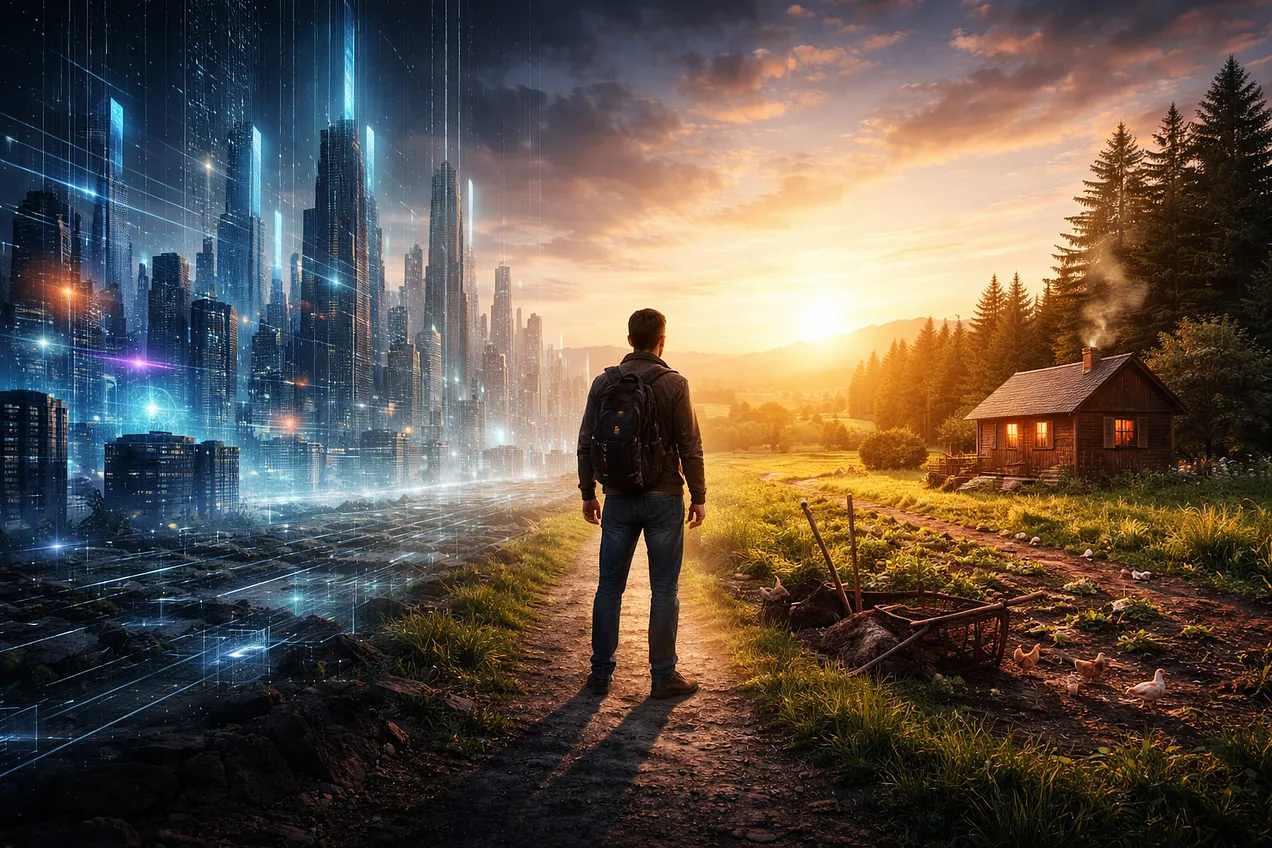
The present moment feels less like a sudden rupture and more like a long-building pressure finally finding seams. Beneath the noise of politics, markets, and cultural spectacle, something quieter is unfolding — a slow recognition that participation is not the same as authorship, and comfort is not the same as stability. Many capable people sense that the structures they were told to inhabit no longer nourish them, yet they lack language for the unease. What emerges, then, is not rebellion but re-orientation: a search for ground, for continuity, and for a way of living rooted in responsibility rather than abstraction.
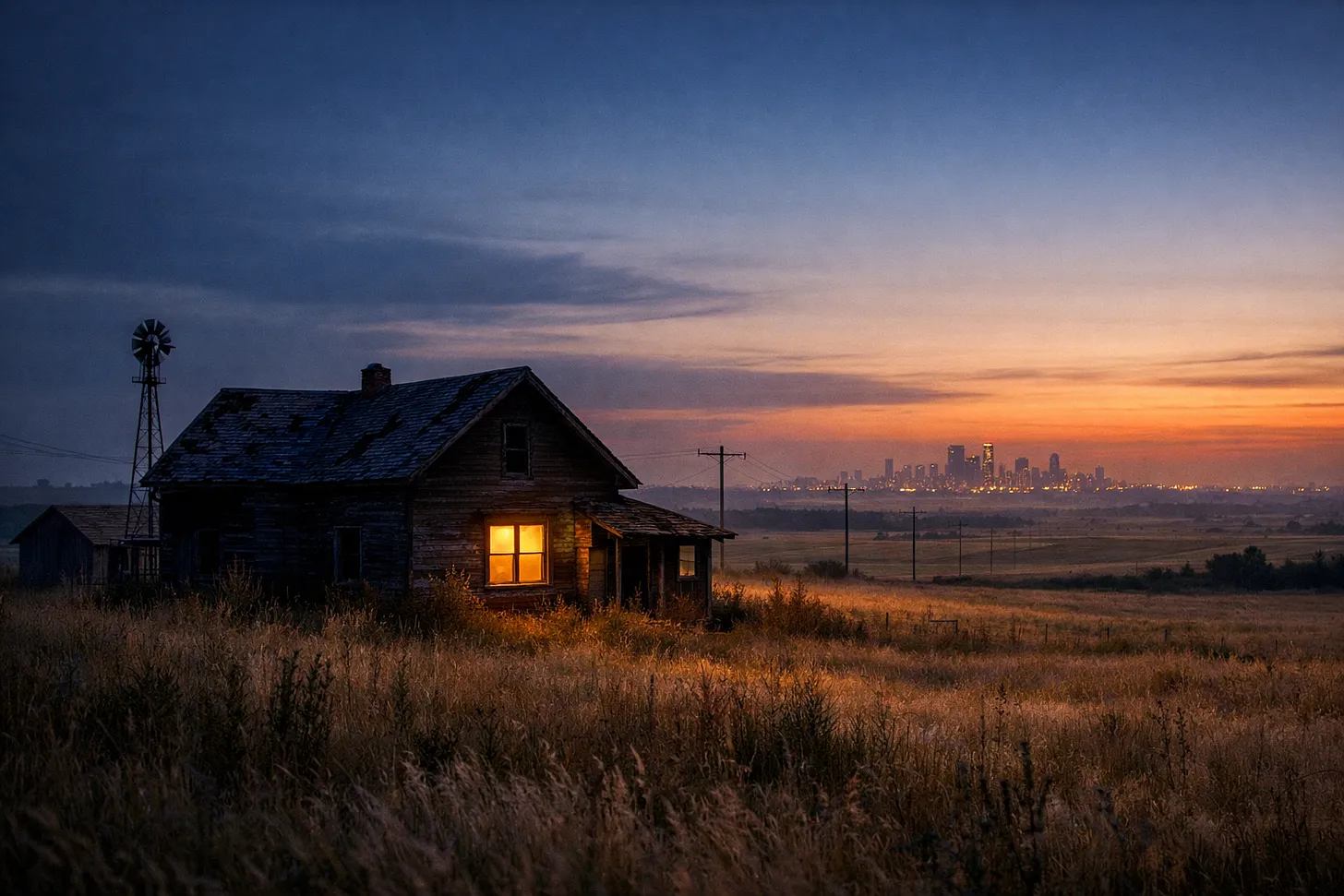
Abandoned towns. Fractured narratives. Institutions straining beneath their own abstractions. We are living in a moment where the scaffolding of modern life feels less permanent than we were promised — and more conditional than we assumed. Beneath the noise, beyond the outrage cycles and ideological theater, something quieter is unfolding: a recalibration. Not rebellion. Not collapse. A remembering. Of land. Of skill. Of competence. Of the fact that maps change, but reality remains.