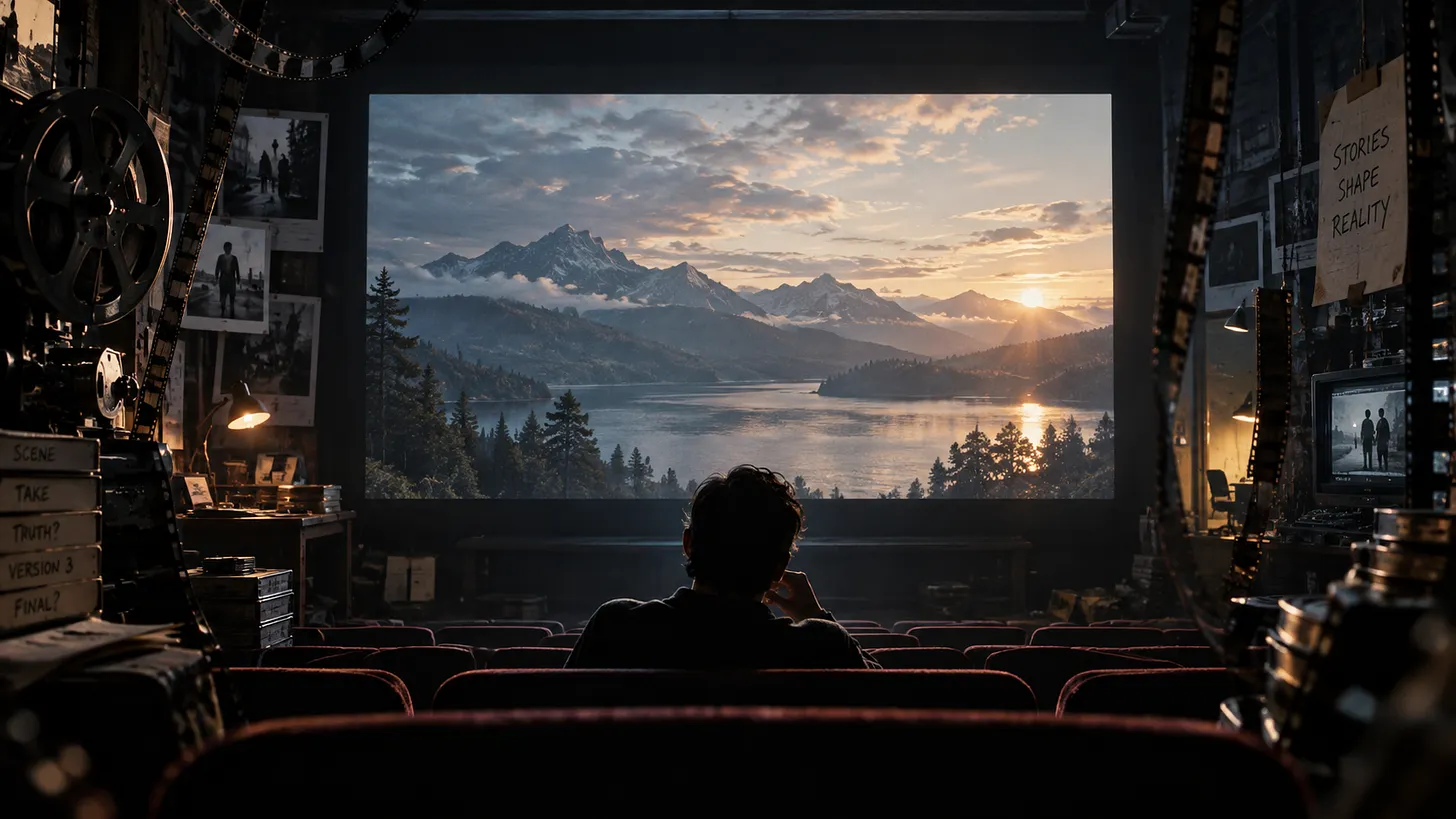
The deeper I get into these questions, the less interested I become in identifying a single person, institution, or hidden hand behind them. The more interesting thing, to me, is the machinery itself: the stories we inherit, the images we absorb, the things we are repeatedly shown, and the things that quietly disappear outside the frame. Somewhere in all of that is the question of how much of what we call our own perception has actually been shaped for us.
Tag: discernment

Beyond the Rabbit Hole: Discernment in the Age of Suspicion
The Limits of Looking Behind the Curtain
There are rabbit holes that are worth entering, and there are rabbit holes that seem to exist primarily to keep us digging. At some point, the question changes from What are they doing? to something far more useful: What am I doing with what I now know? This conversation lives somewhere in that territory, between discernment and obsession, suspicion and certainty, awareness and the freedom to simply walk away.
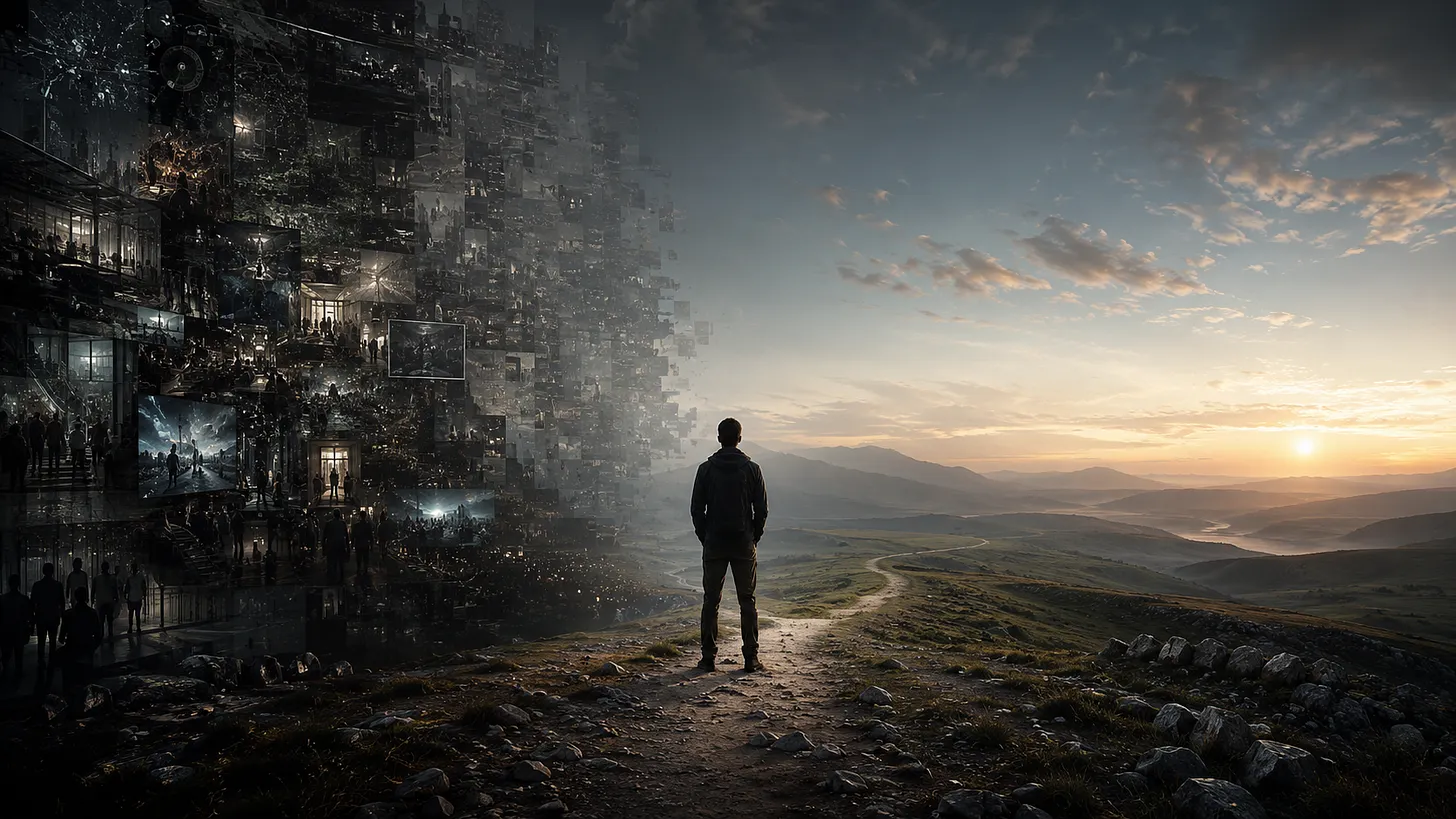
At some point, we have to stop asking what the world expects of us and start asking what we are actually here to do. Not in some grand or abstract sense, but right here, in the middle of whatever is presently unfolding. Beneath the noise, beneath the accumulated assumptions and inherited stories, there remains a quieter position from which we can see, choose, and move differently. Perhaps that is where causation begins.
The Deeper Journey: Biology, Culture, and Consciousness
Reflections on Trust and Human Nature
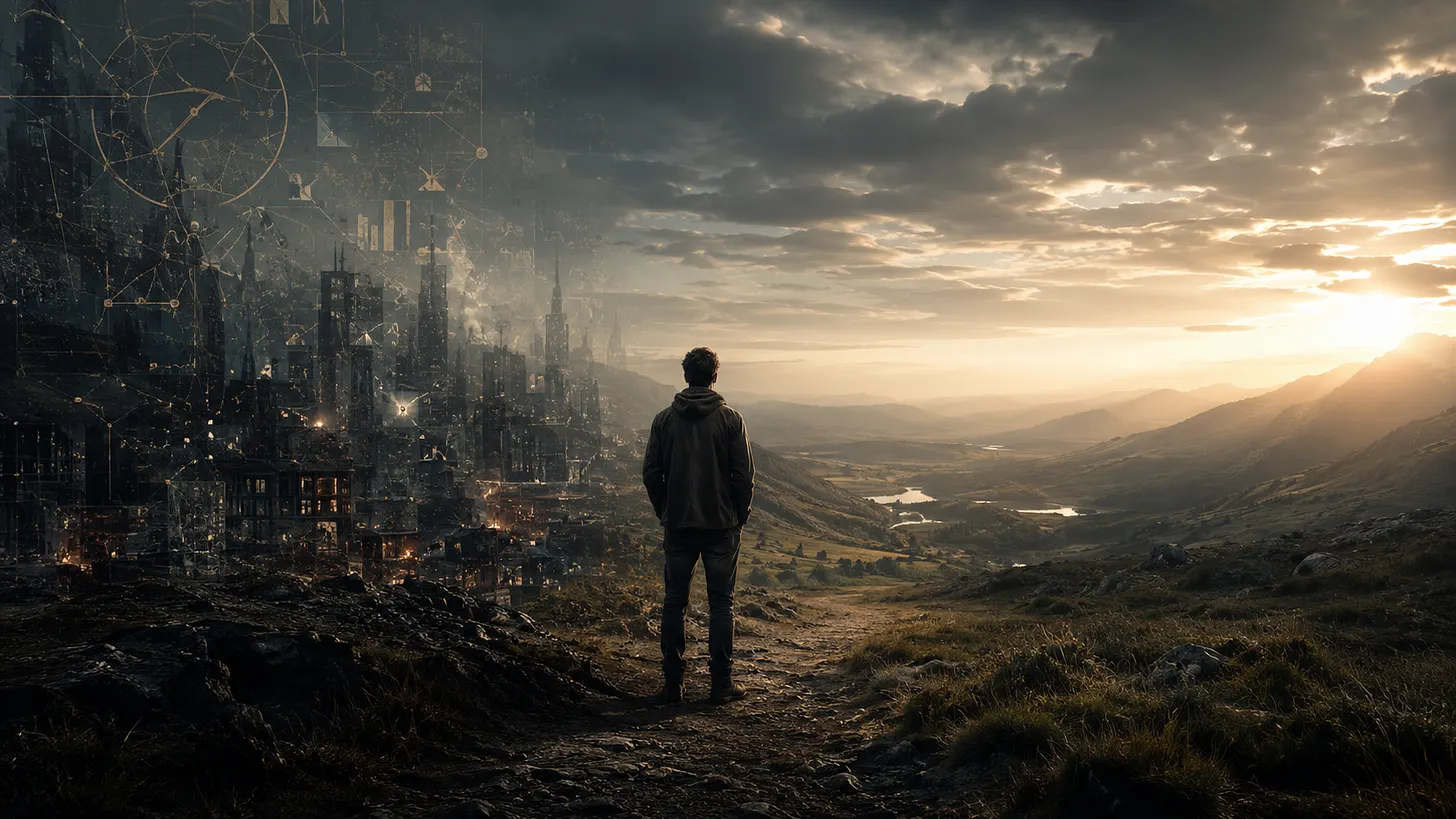
There are conversations that begin with a particular question and, somewhere along the way, reveal that the question was never quite the point. What begins here with biology, paternity, relationships, and the often-confounding dynamics between men and women eventually turns inward, toward the more fundamental question of how honestly we can perceive ourselves and the world around us. For me, that inevitably brings the conversation back to trust: not blind trust in another, but the deeper trust that comes from becoming someone who can face reality without needing to look away.
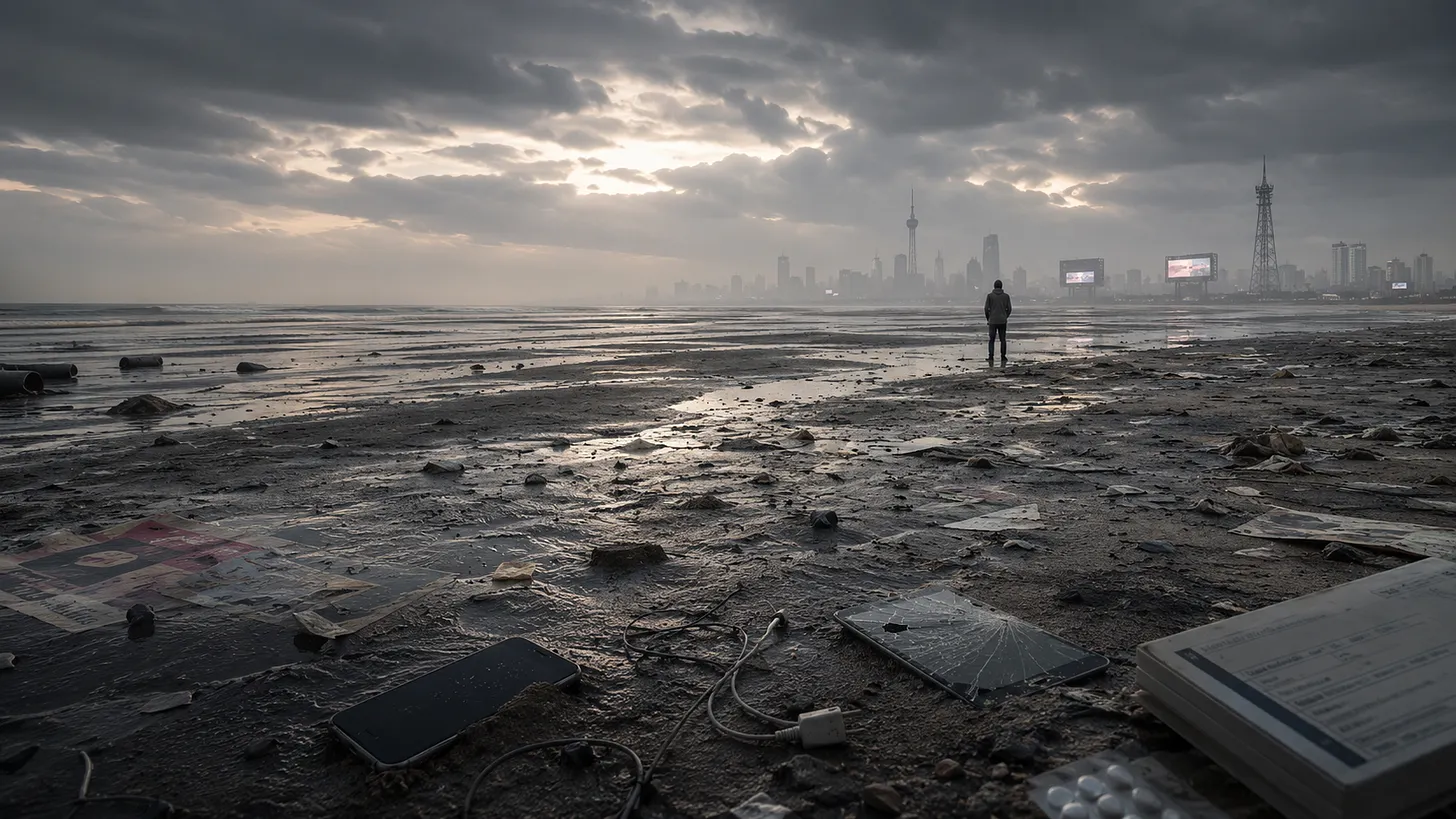
There is always a point when the wave begins to recede. The spectacle loses some of its glamour, the promises become harder to sustain, and what was presented as inevitable begins to look merely excessive. What remains afterward is often more useful than the frenzy that carried it in, but the retreat also exposes what the flood obscured: the interests behind it, the costs absorbed along the way, and how readily we can be persuaded to surrender our attention, judgment, and agency to whatever arrives next.