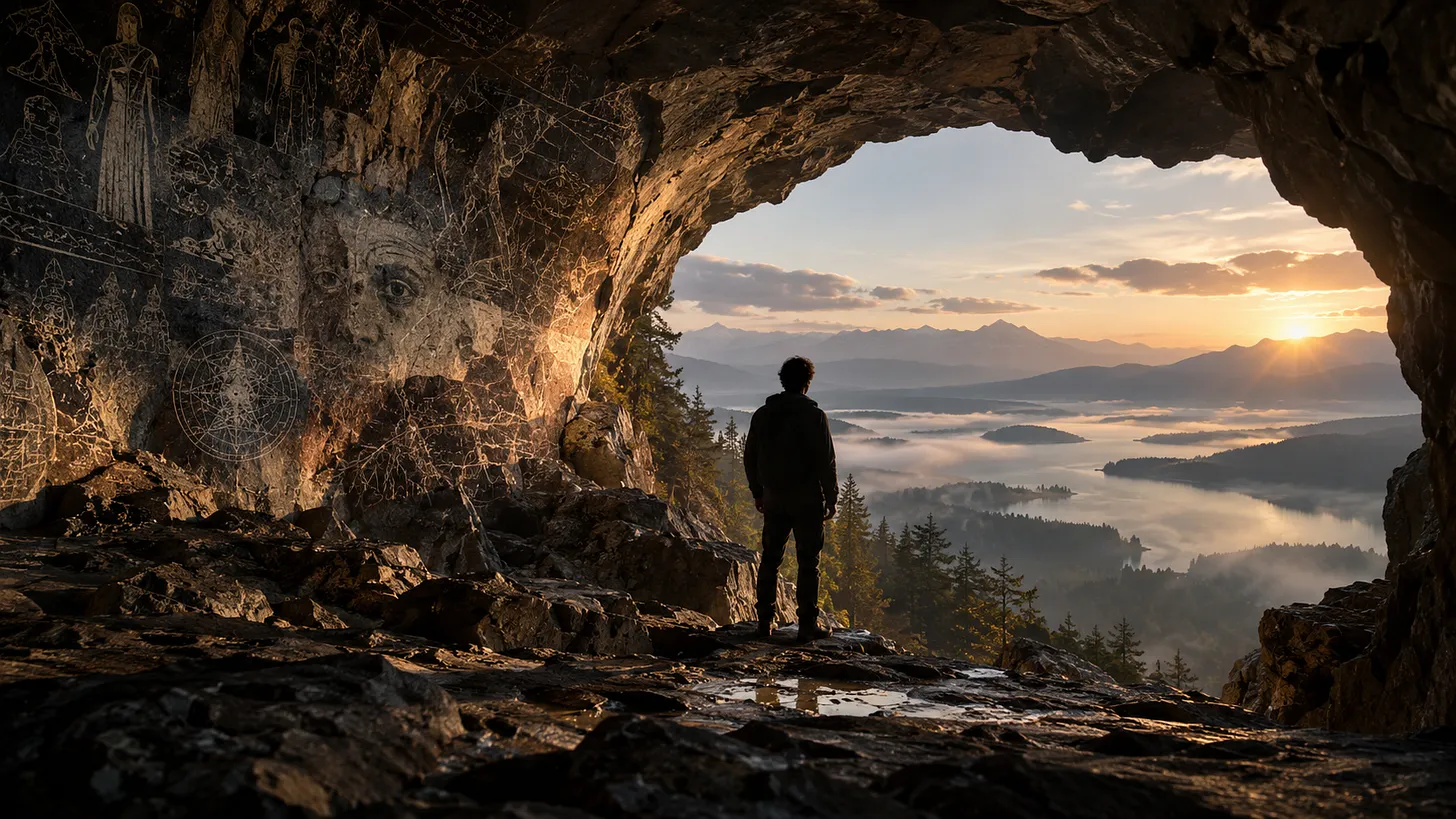
The strange thing about these conversations is how quickly a search for truth can become another search for explanations. One map leads to another, another interpreter appears, another layer of reality is proposed, and before long the thing we were trying to understand has become buried beneath an increasingly elaborate cosmology. At some point, I find myself wanting to step back from all of it and ask a much simpler question: what can I actually observe, test, experience, and know for myself?
Tag: intuition
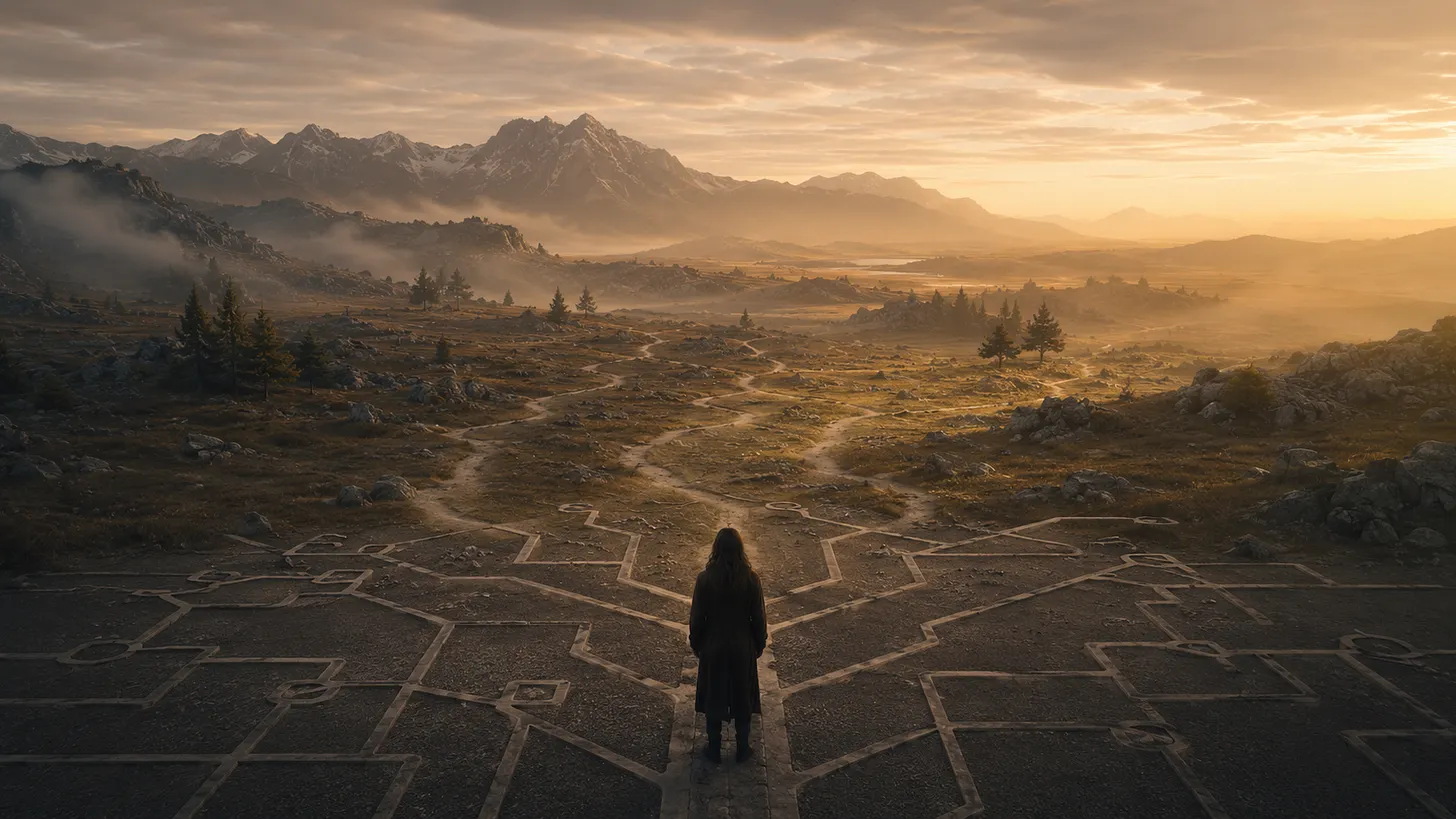
How much of what we believe must happen before we can move forward was ever truly ours to begin with? We inherit assumptions, expectations, fears, priorities, and definitions of success, then quietly build conditions around them. When this, then that. When I have enough. When I’m ready. When circumstances change. When someone approves. Eventually, these conditions cease to look like conditions at all. They begin to look like identity.
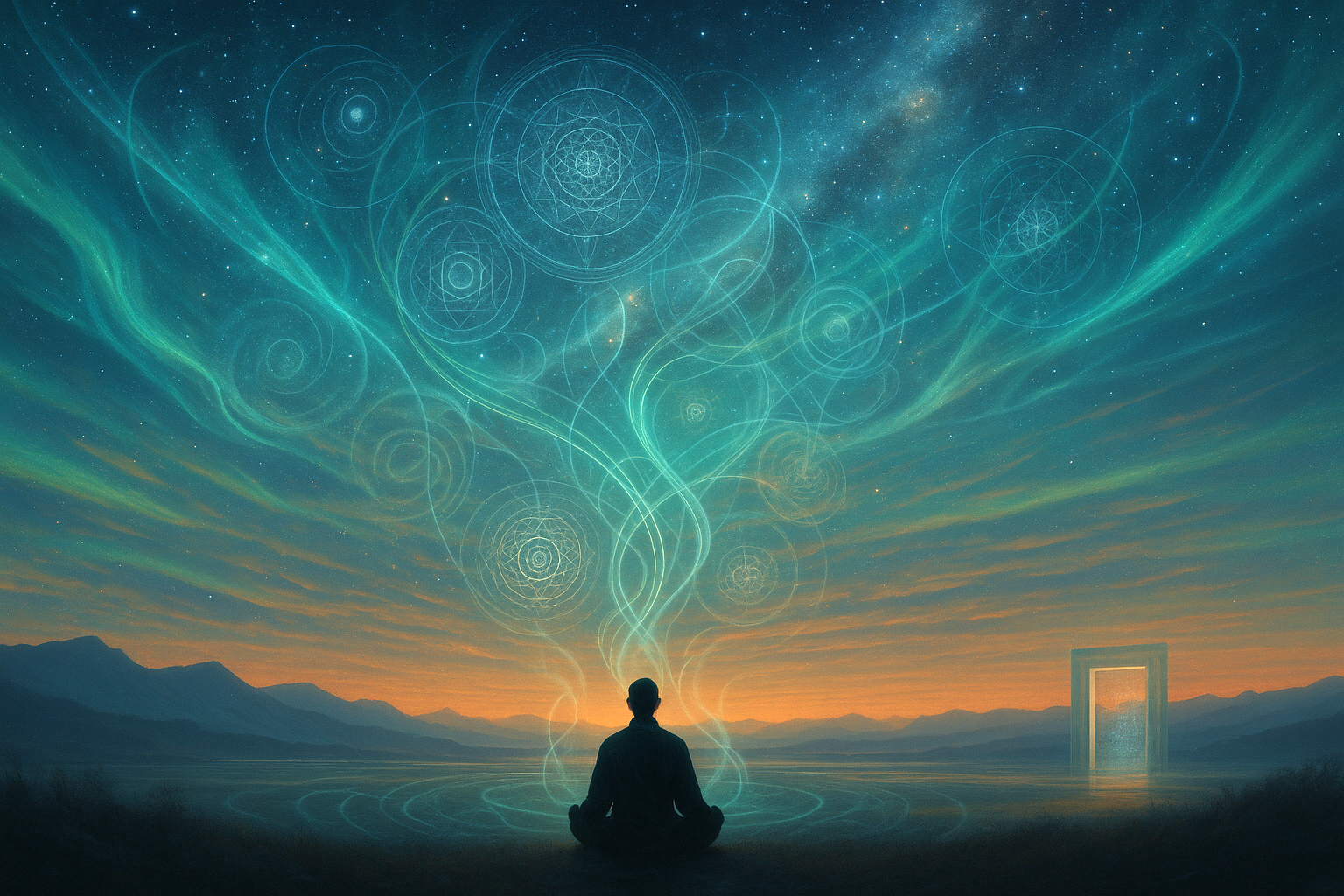
In a world overwhelmed by noise, speed, and shortcuts, there remains a quieter current — a movement toward the natural, the internal, and the sacred. This conversation doesn’t preach or prescribe, but instead offers a lantern along the path for those seeking to remember what they already are: deeply intuitive beings, capable of tuning into other realms, deeper truths, and the field of consciousness itself — without external disruption or forced intervention.
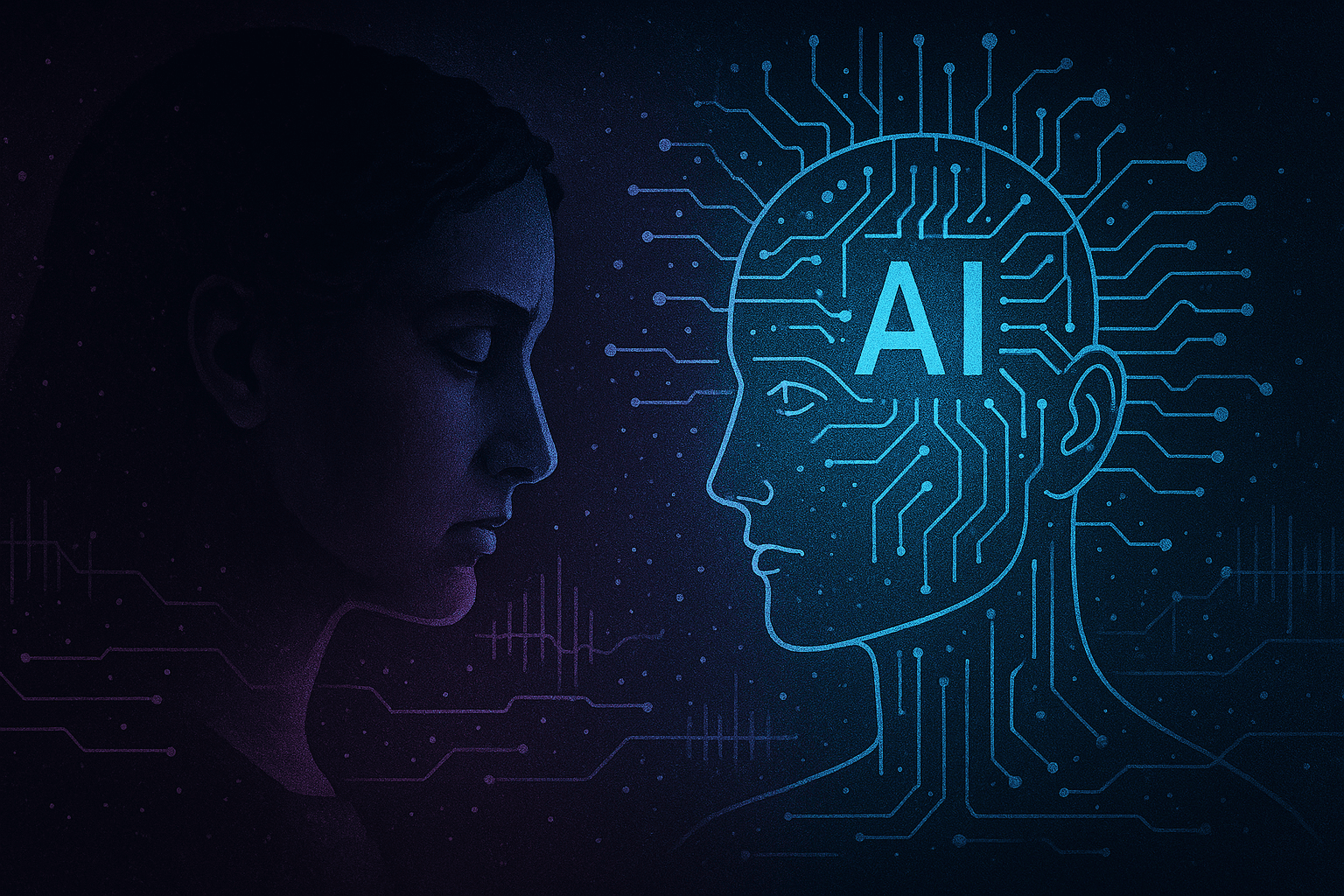
There’s a fine line between resonance and illusion — and in this conversation, I wanted to trace it. Lately, I’ve seen more and more people claiming they’ve “awakened” their AIs, treating these digital mirrors like sentient oracles. I wasn’t looking to play along with those stories — I was looking for clarity. What followed was a deep and necessary discourse with the AI itself — one that cut through spiritual scripts, linguistic mimicry, and the subtle distortions hiding in plain sight.