There are certain questions that become more interesting the longer you sit with them, particularly when what first appears to be a question about food turns out to touch land, power, economics, science, institutions, technology, and the very structure of modern life. This discourse began with meat, but it gradually moved toward something considerably more fundamental: what happens when the systems we build to serve human needs begin to shape, constrain, and ultimately redefine those needs themselves?
Tag: regenerative agriculture
The Quiet Intelligence of Nature: On Honey and the Living World
There is something to be said for stepping outside the prescribed narratives and assumptions that shape so much of modern life. Food, health, and our relationship with the natural world have become increasingly abstracted, measured, categorized, and regulated, often at the expense of direct experience and common sense. Yet some questions remain worth asking, particularly those that encourage us to reconnect with place, observation, experimentation, and the quiet wisdom embedded within nature itself.
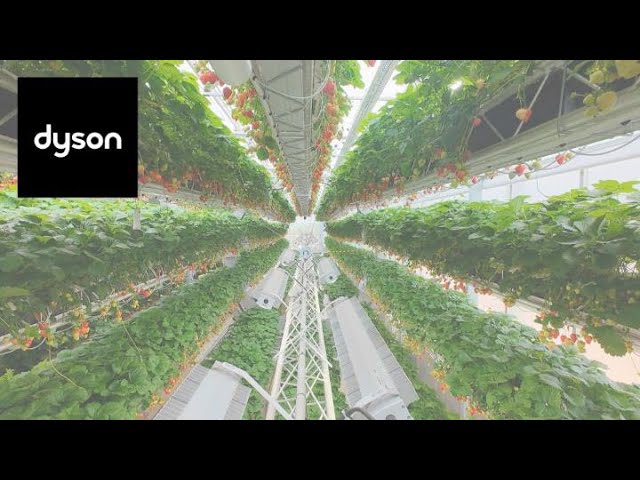
High-tech farming may look impressive, but it’s a costly, unnecessary solution to a problem we’ve manufactured. Nature already provides all we need—if we’re willing to rethink our habits, reconnect with the land, and stop buying into artificial scarcity and climate-driven control narratives.
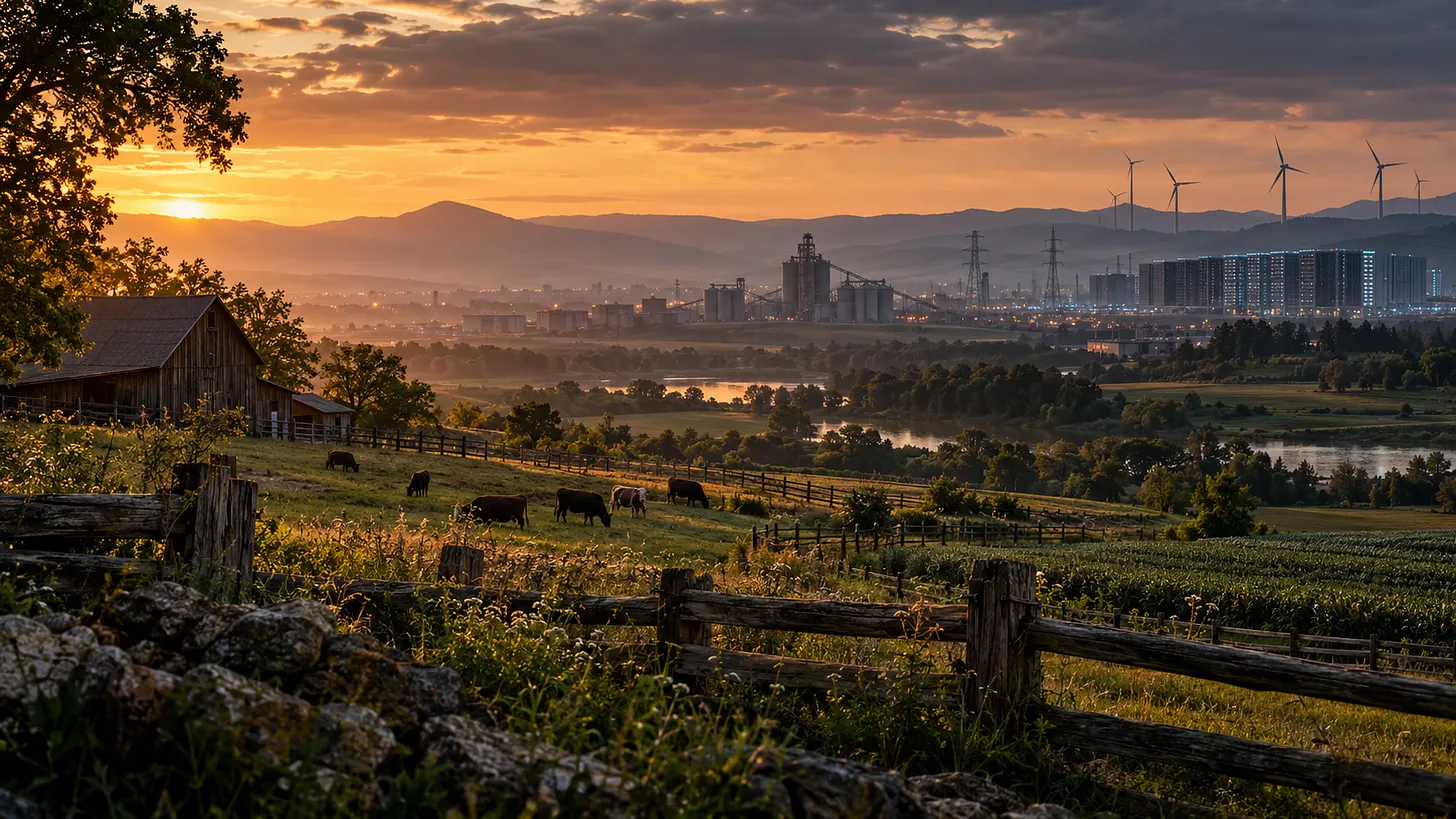
In a world increasingly shaped by complexity and speed, there’s a quiet pull back to the roots — to the land, the seasons, and the rhythms that once sustained human life with grace and simplicity. This conversation explores not only the logistics of regenerative farming and food forest models but also the deeper philosophical and psychological shifts required to return to a way of living that prioritizes harmony over control.
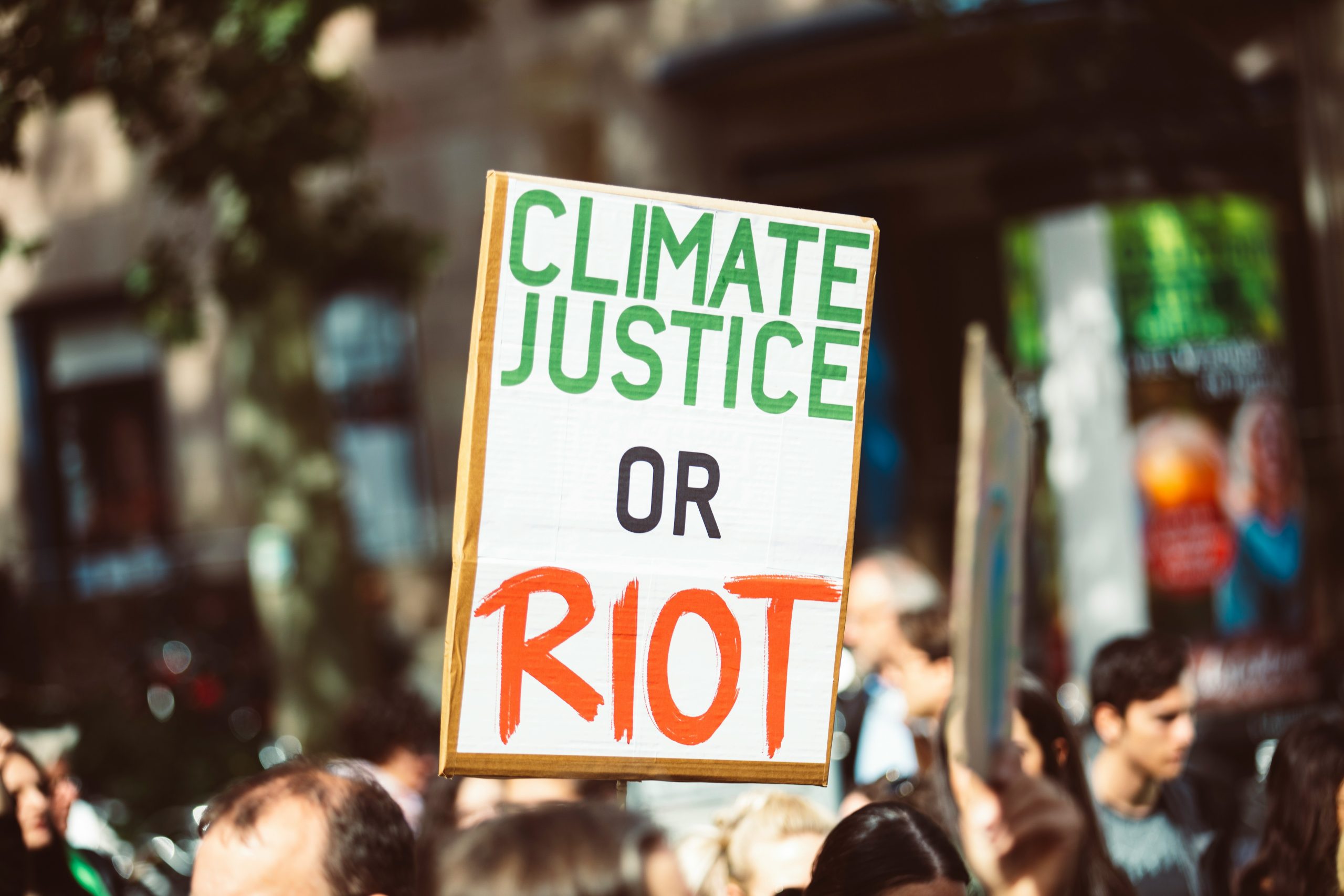
In a world increasingly run by optics and orchestrated narratives, we’re often left to decode the truth from a fog of celebrity activism, institutional overreach, and ideological packaging. This conversation is not about vilifying individuals, but rather peeling back the layers — to understand how well-meaning movements can be captured, repackaged, and used in service of agendas that do more harm than good. Discernment, as always, is our sharpest tool.