
In the quiet between headlines, between the rising and falling of markets, between the loud narratives of empires and experts, there is a deeper current. It moves unseen, persistent, shaping lives without ceremony or announcement. To look at the world from this perspective is to notice patterns, to trace the architecture behind the chaos — not to despair, but to orient oneself. This thread is about seeing clearly, tracing the mechanisms of control, and reclaiming the inner ground where human sovereignty still persists.
Tag: technology
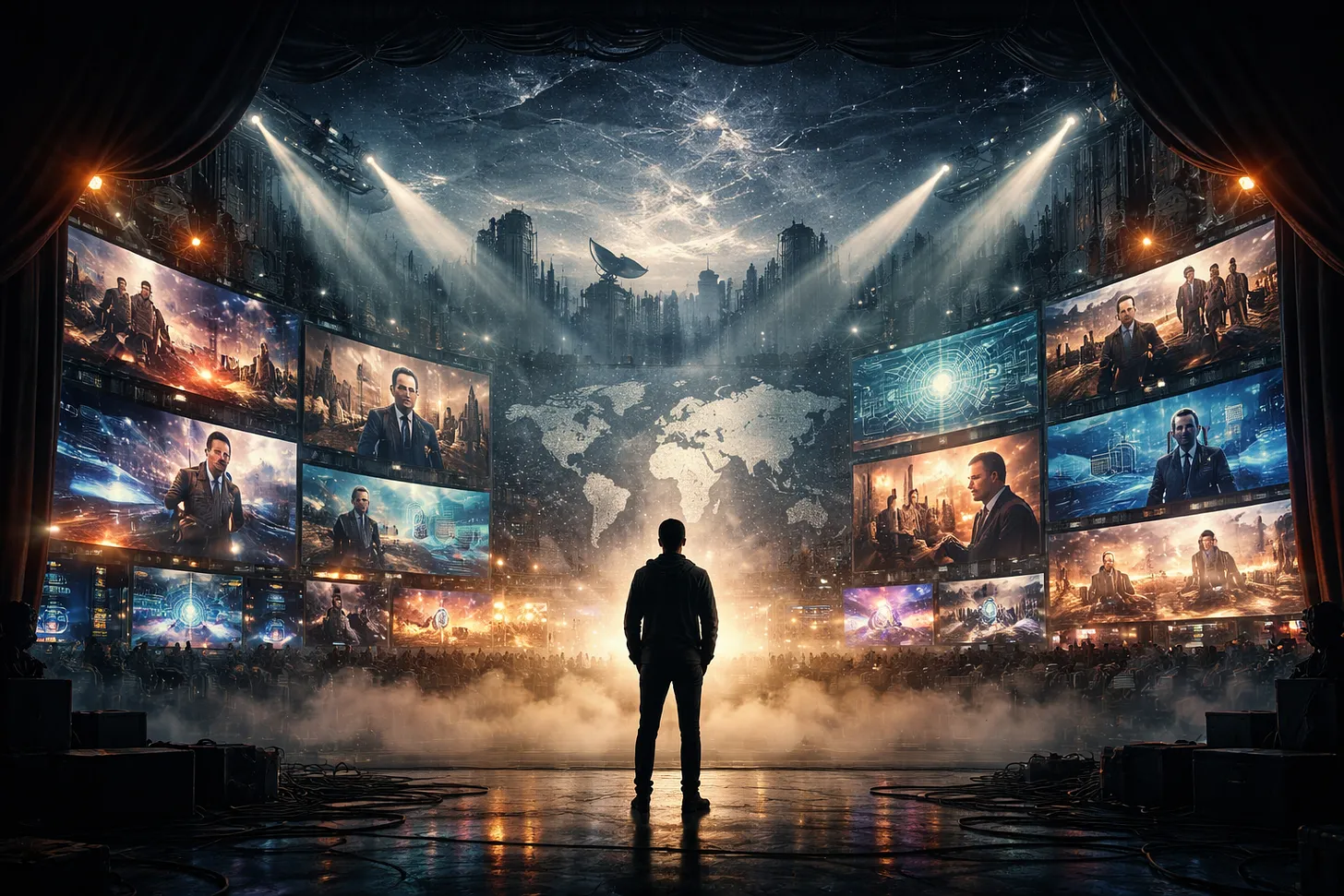
We live in a peculiar moment where the spectacle of the world increasingly resembles a poorly disguised stage production. The language of power, war, technology, and security is repeated endlessly until it begins to resemble something closer to theater than truth. Narratives are curated, crises are framed, and the public is invited to participate as spectators in a drama that feels both monumental and strangely hollow. In such a climate, the real challenge is not deciphering every detail of the spectacle — but learning to recognize the difference between the noise of the system and the quiet signal of reality itself.

There is a moment in any sincere search for truth when the language begins to dissolve. The words, the rituals, the systems, the promises — they start to reveal a familiar architecture beneath their different costumes. Whether spoken through religion, therapy, mysticism, or modern technological metaphors, the same pattern appears again and again. What initially looks like many roads begins to look more like variations of a single map. And once you see that pattern, the real work begins — not in adopting another vocabulary, but in reclaiming your own discernment.

Every era builds elaborate systems that promise stability, prosperity, and progress. Yet if we look closely enough, we begin to see the seams — the quiet mechanisms beneath the surface where incentives shape outcomes, and power consolidates behind the language of markets, policy, and inevitability. Housing, finance, demographics, and ownership are not separate issues. They are threads of the same tapestry, revealing a deeper tension between the structures we build and the human lives that must live within them.

Some questions refuse to remain confined to the laboratory or the lecture hall. They spill outward into philosophy, economics, and culture itself. When a field of inquiry threatens not only a theory but an entire incentive structure, the conversation inevitably moves beyond science and into the architecture of power, belief, and perception. The story of electromagnetic medicine — and the work of researchers like Robert O. Becker — offers a window into that tension. It invites us to examine not only the technologies we accept or reject, but the deeper cultural operating system that determines what counts as knowledge, legitimacy, and progress in the first place.