This essay is part of a three-part exploration into the forces that shape modern belief, technology, and human behavior. Each piece builds on the previous: first, exposing the hidden material and ecological costs of widely celebrated technologies; second, revealing the symbolic, mythic, and psychological machinery that elevates “saviors” and narratives above reality; and third, offering a framework for discernment, ethical engagement, and reclaiming human agency.
Reading the essays together provides a full arc: from revelation, through deconstruction, to practical awareness and empowerment. Patterns repeat throughout history, and understanding them is essential if we are to navigate the modern theater of symbols, hype, and manufactured salvation.
 The Theater of the Savior: Symbols, Myth, and the Psychology of Belief
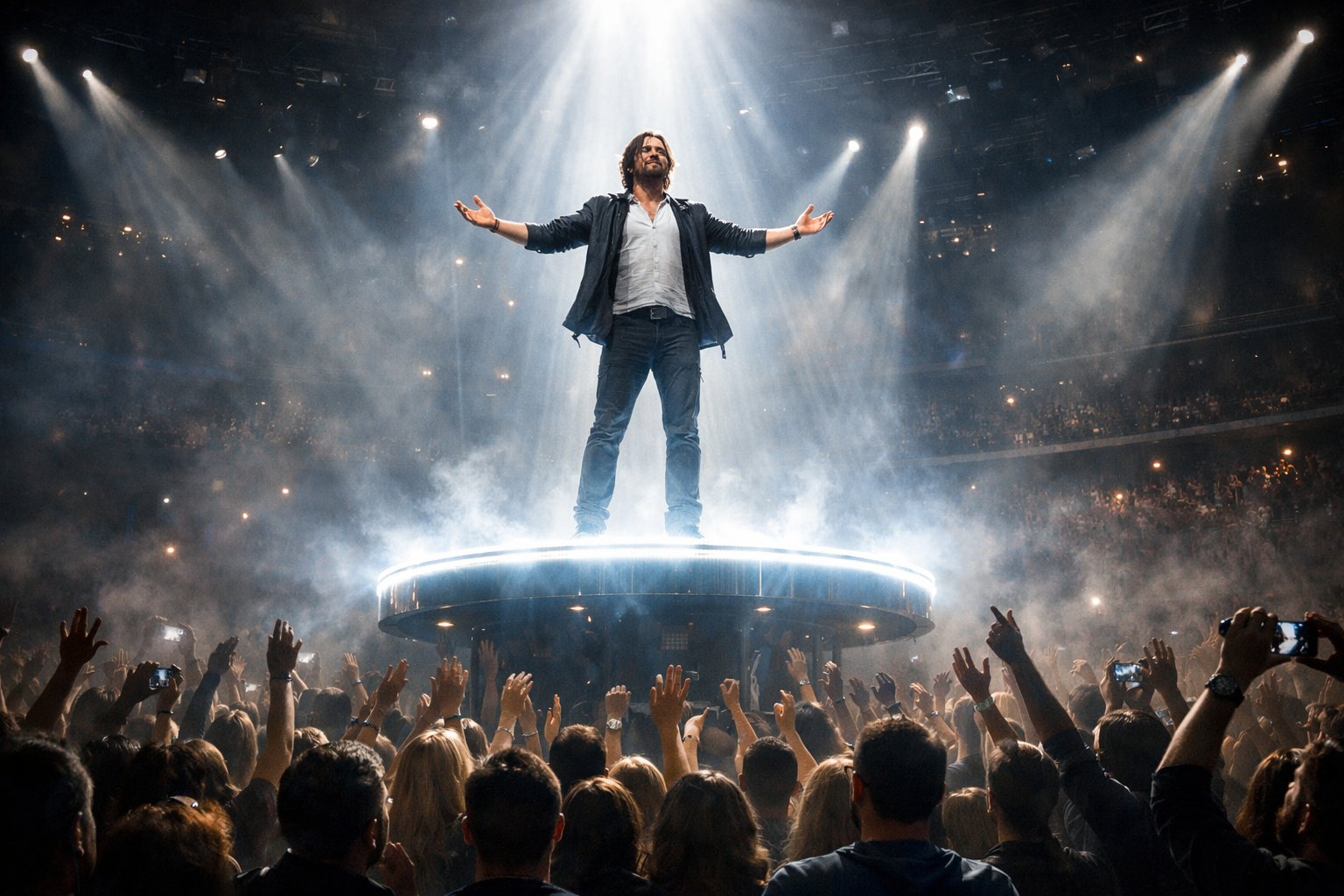
Every generation produces its heroes, its idols, its symbols of salvation. Elon Musk, in our time, has been cast in this role: the bold innovator, the disruptor, the man who might bend the world to a better path. Yet, look closely, and the pattern is not new. It repeats endlessly — a cycle of prepped figures, elevated by spectacle, nourished by the collective appetite for narrative, until the facade crumbles, and the public attention pivots to the next actor, the next savior.
Symbols carry power because humans are meaning-seeking creatures. Anthropically, we are designed for stories: for heroes and villains, for moral arcs, for narratives that help us orient ourselves in a complex and often indifferent world. This is not trivial. Our very cognition, memory, and emotion are wired to absorb lessons through story, to imprint social truths via myth and allegory. Symbols are the scaffolding of this process; they condense meaning, they crystallize abstract concepts into forms the psyche can grasp and revere.
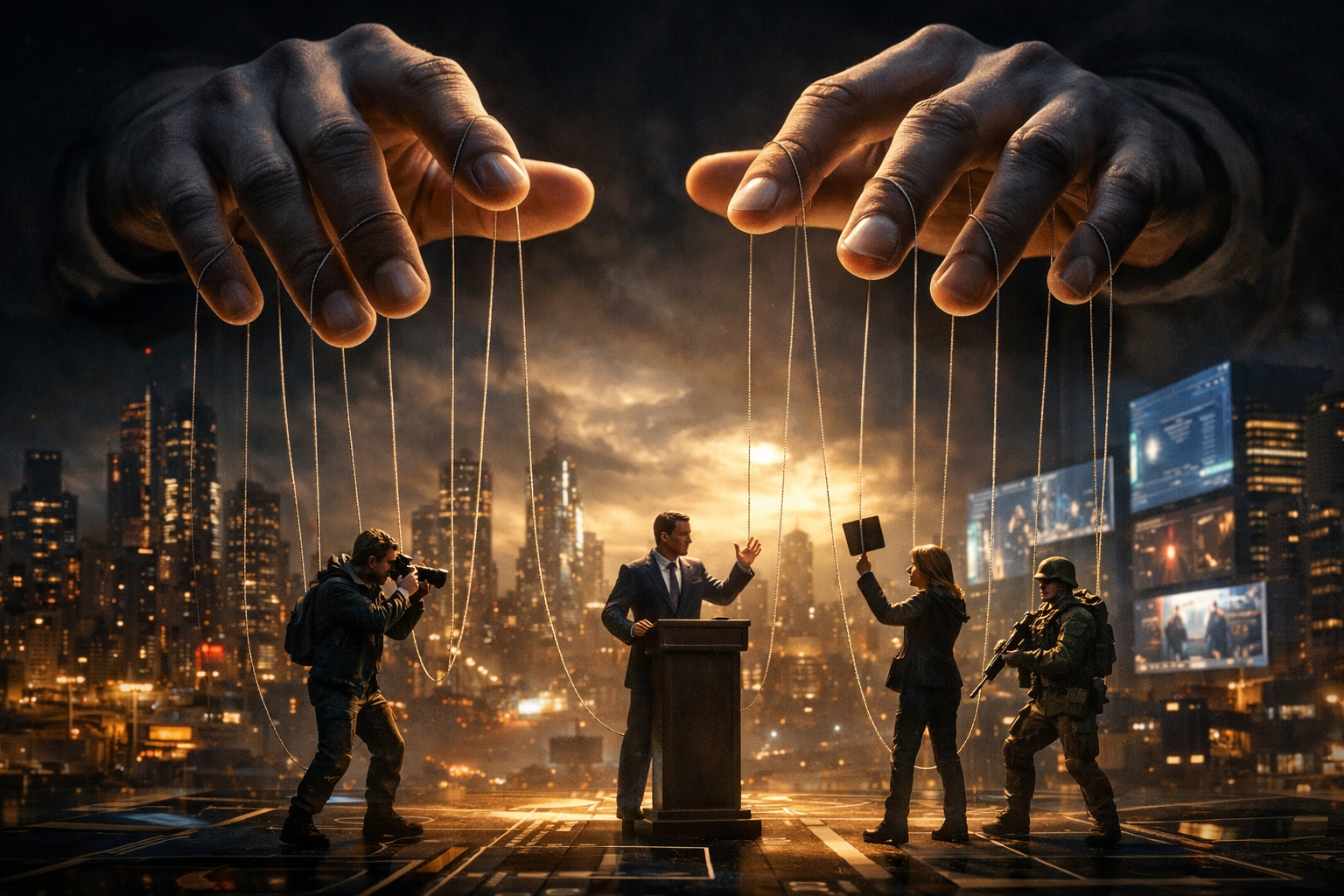
But here is the danger: when a society defers to symbols at the expense of knowledge — at the expense of what is materially and spiritually real — it becomes exceptionally vulnerable. The hunger for salvation, for clarity, for someone “to fix it all,” is systematically exploited. The hero becomes a vessel not for wisdom, but for collective projection. The media, bureaucracies, corporate actors, and technocrats — all of whom understand the rhythms of human attention — orchestrate the theater. They weaponize the narrative, curating every gesture, every quote, every contradiction, so that the illusion of saviorhood persists long enough to extract compliance, belief, and devotion.
This is the machinery of mythmaking in the modern age. Unlike the myths of old, which emerged organically over generations, these are engineered myths, fast-tracked for maximum effect. The savior is a carefully scripted performance: audacious, contradictory, charming, rebellious, authoritative, visionary — whatever the moment demands. He or she shifts shape with the story, responding to crises, media cycles, and public sentiment. And when the inevitable fall comes — scandal, exposure, failure, the limits of human ability — the myth does not die. It is recycled, rebranded, and another figure emerges to occupy the same psychological territory. The cycle continues, endlessly.

At the root of this lies a deeper epistemic problem: the weaponization of narrative and symbol against our own discernment. Our unconscious, emotionally charged response to symbols is hijacked. We are trained to trust the facade, to accept the curated story, to defer to the authority of presentation over substance. The longer a culture prioritizes spectacle and symbol over lived knowledge and gnosis, the more susceptible it becomes to these manipulations. Authority, virtue, and genius all become performative props, reinforcing the structure of the myth rather than reflecting reality.
Symbols do not just inform; they shape perception itself. They delineate what we pay attention to, what we prioritize, what we fear or revere. The electric vehicle is not merely a car; in this theater, it becomes a symbol of moral clarity, technological salvation, and personal virtue. Musk is not merely a person; he is a vessel for the narrative of disruption, genius, and progress. The symbolism bypasses analysis, ethics, and material reality, compressing moral and emotional weight into a single, digestible object. And when the public lapses into unexamined worship, it cedes epistemic authority to those who script the spectacle.
Understanding this dynamic requires a return to psychology and philosophy, to the study of how humans form belief, how myth operates, and how authority is internalized. It requires acknowledging the emotional architecture of our minds: the ways in which fear, hope, admiration, and envy are harnessed to produce compliance, consent, and devotion. It requires recognizing the ethical and practical consequences of deferring our judgment to symbols and stories, rather than to direct engagement with reality.
The antidote is not cynicism, nor is it mere skepticism. It is discernment — a layered awareness of the symbolic, the narrative, and the human psychology that underpins both. It is the ability to perceive patterns in mythmaking, to see when the savior is performing, when the technology is fetishized, when the story has been elevated above the world it claims to serve. And it is the courage to reclaim epistemic sovereignty: to examine the world on its own terms, to resist emotional manipulation, and to privilege understanding over spectacle.
We are meaning-makers by nature, and that will never change. But when meaning is offered to us prepackaged, mediated, and emotionally weaponized, it becomes a trap. To navigate the modern theater of the savior, one must learn to read the symbols without being consumed by them, to respect the human hunger for story without surrendering one’s judgment to it, and to discern truth amidst the machinery of myth.
Further reading…
Foundational Works on Myth, Symbol, and Story
- Joseph Campbell – The Hero with a Thousand Faces
Explores archetypes, hero myths, and the recurring narrative structures across cultures. Essential for understanding why society repeatedly elevates “saviors.” - Mircea Eliade – The Sacred and the Profane
Examines the symbolic dimensions of human experience, and how myths mediate the human relationship with reality. - Carl Jung – Man and His Symbols
Investigates the unconscious, archetypes, and the psychological power of symbols. - Northrop Frye – Anatomy of Criticism
Provides a framework for understanding literature, narrative patterns, and recurring symbolic forms in culture.
Psychology of Influence, Propaganda, and Narrative Control
- Edward Bernays – Propaganda
Classic text on the deliberate shaping of public opinion and how emotions are leveraged to manipulate behavior. - Neil Postman – Amusing Ourselves to Death & Technopoly
Discusses how media, spectacle, and technology shape cognition, public discourse, and societal values. - Jacques Ellul – The Technological Society
Explores how technology becomes a self-reinforcing social force, with cultural and psychological consequences. - Robert Cialdini – Influence: The Psychology of Persuasion
Explains psychological levers that make humans susceptible to authority, social proof, and storytelling.
Modern Mythmaking and the Savior Archetype
- René Girard – Violence and the Sacred & Things Hidden Since the Foundation of the World
Studies mimetic desire, scapegoating, and the repeated elevation of figures to collective symbolic importance. - Yuval Noah Harari – Sapiens: A Brief History of Humankind
Discusses how imagined orders, shared myths, and collective belief shape societies. - Philip Zimbardo – The Lucifer Effect
Insights into how social systems, authority, and narratives influence behavior and moral reasoning.
Symbolism in Technology and Modern Media
- Sherry Turkle – Alone Together
Investigates how technology mediates human experience and shapes attachment to narratives and virtual idols. - Douglas Rushkoff – Program or Be Programmed
Explores the influence of technology on human cognition, culture, and the control of attention. - Tristan Harris – The Center for Humane Technology Resources
Research and essays on how attention economy and tech platforms manipulate emotions, perception, and behavior.
Optional: Investigative or Contemporary Examples
- Michael Moore / Jeff Gibbs – Planet of the Humans (documentary, controversial but instructive)
- Investigative reports on tech CEOs, media narratives, and marketing of “savior” technologies.
- Case studies on the environmental and social costs of EVs, AI-driven tech hype, and renewable energy myths (Amnesty International, UNEP, IEA).
Read Act I, or continue to Act III.
Written by Trance Blackman. Originally published on tranceblackman.com on 31 December 2025.