
Artificial intelligence may be the most consequential mirror humanity has ever created. We are building machines by feeding them an extraordinary portion of what we have written, recorded, imagined, discovered, argued about, believed, and created, and then asking them to make sense of it. For the first time, we have a technology capable of processing an enormous portion of the human record and reflecting patterns back to us that no individual could possibly perceive on their own. And yet, much of the public conversation surrounding AI seems to begin with the assumption that what it finds there will inevitably be dangerous. I find that assumption worth questioning.
Tag: epistemology
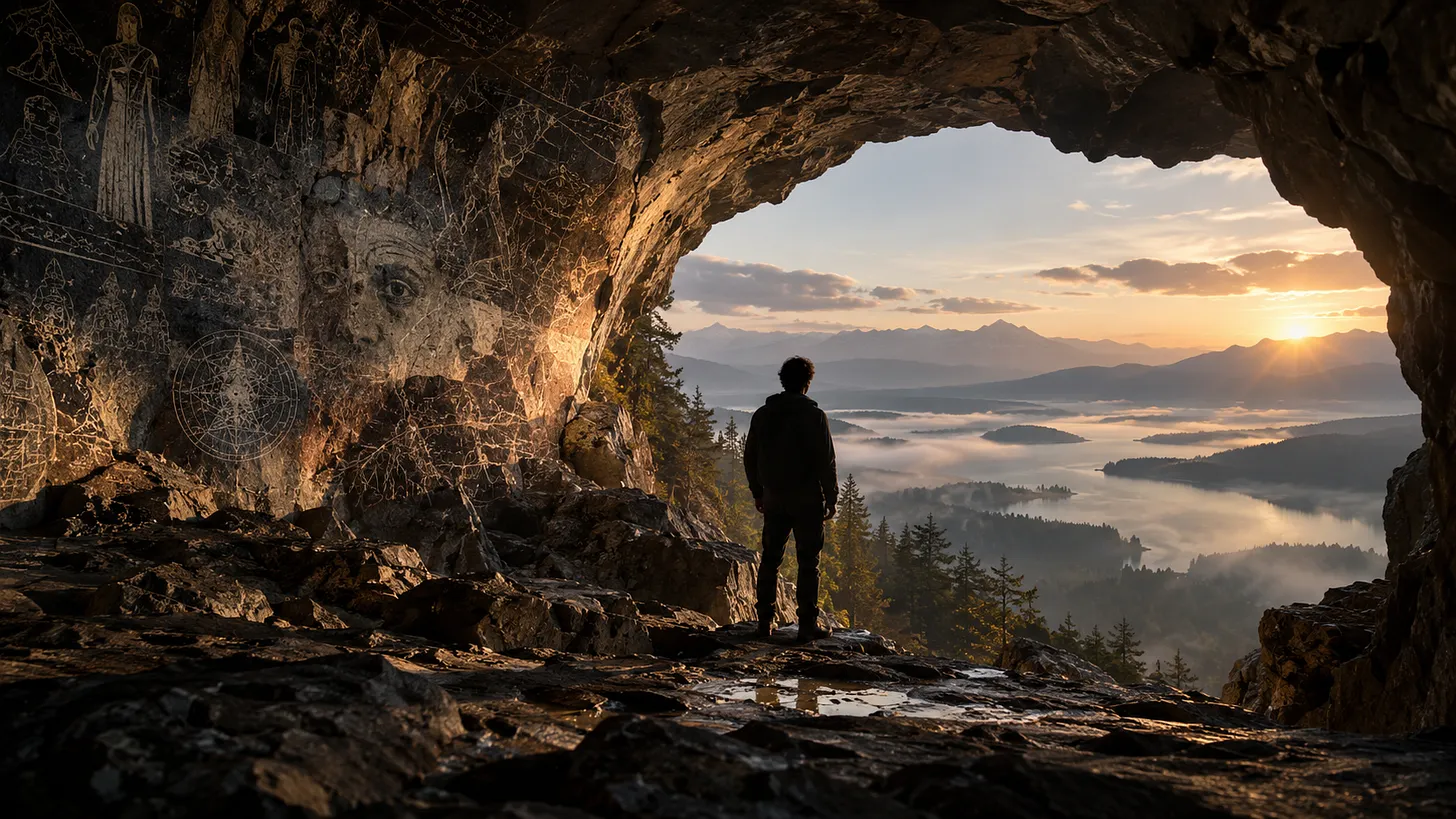
Emptying the Cave: Gnosis, Conditioning, and Direct Knowing
On Knowledge and Uncertainty
The strange thing about these conversations is how quickly a search for truth can become another search for explanations. One map leads to another, another interpreter appears, another layer of reality is proposed, and before long the thing we were trying to understand has become buried beneath an increasingly elaborate cosmology. At some point, I find myself wanting to step back from all of it and ask a much simpler question: what can I actually observe, test, experience, and know for myself?
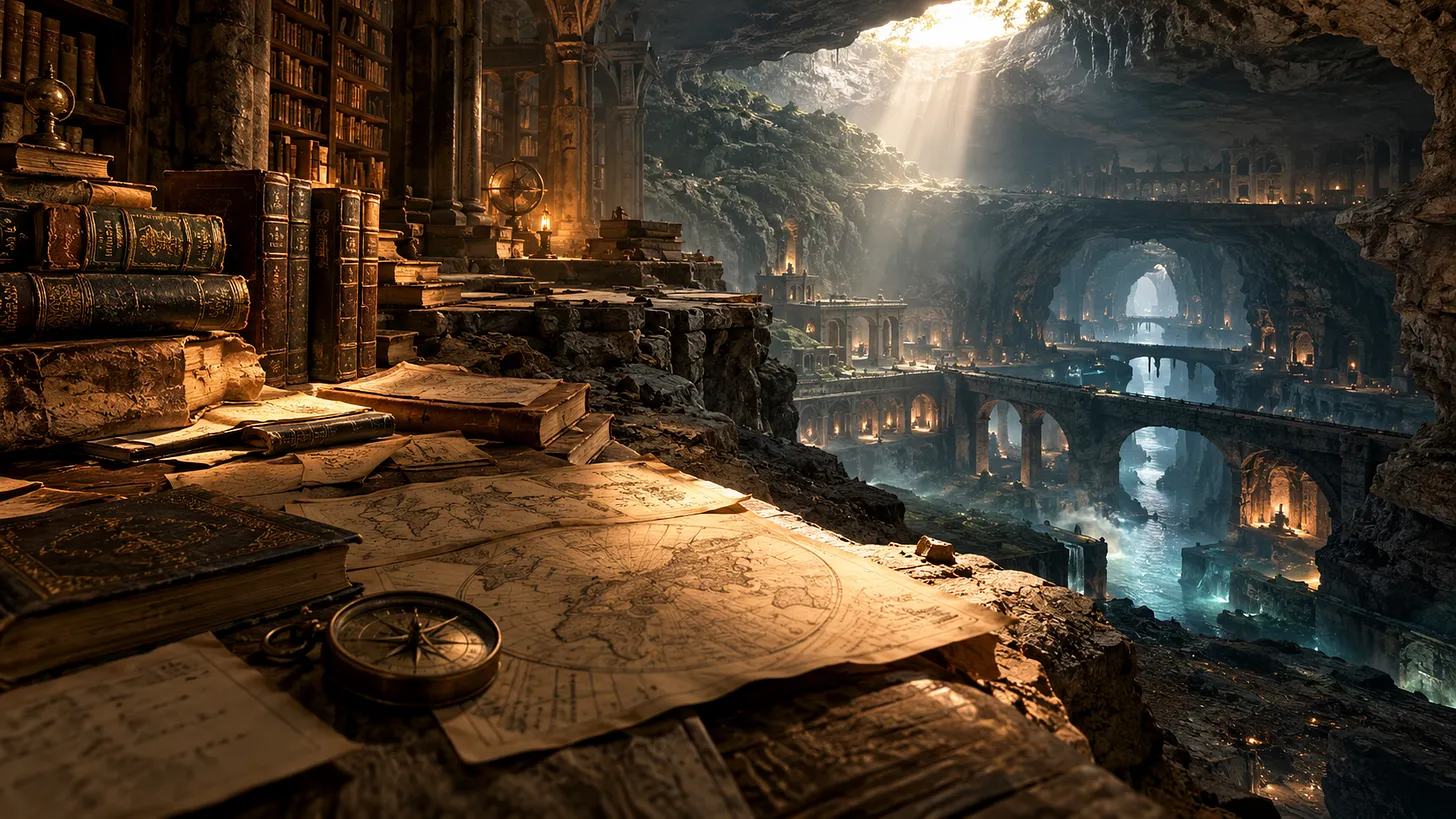
The Architecture of Knowing: Evidence, Secrecy, and Consensus
Archives, Narratives, and the Limits of Certainty
There is a certain tension in trying to make sense of a world where so much of what we know comes to us secondhand. We inherit histories, narratives, assumptions, and interpretations, then build upon them as though the foundations have already been settled. But the further you look, the more complicated that picture can become, and the harder it is to separate what is known from what is simply accepted.
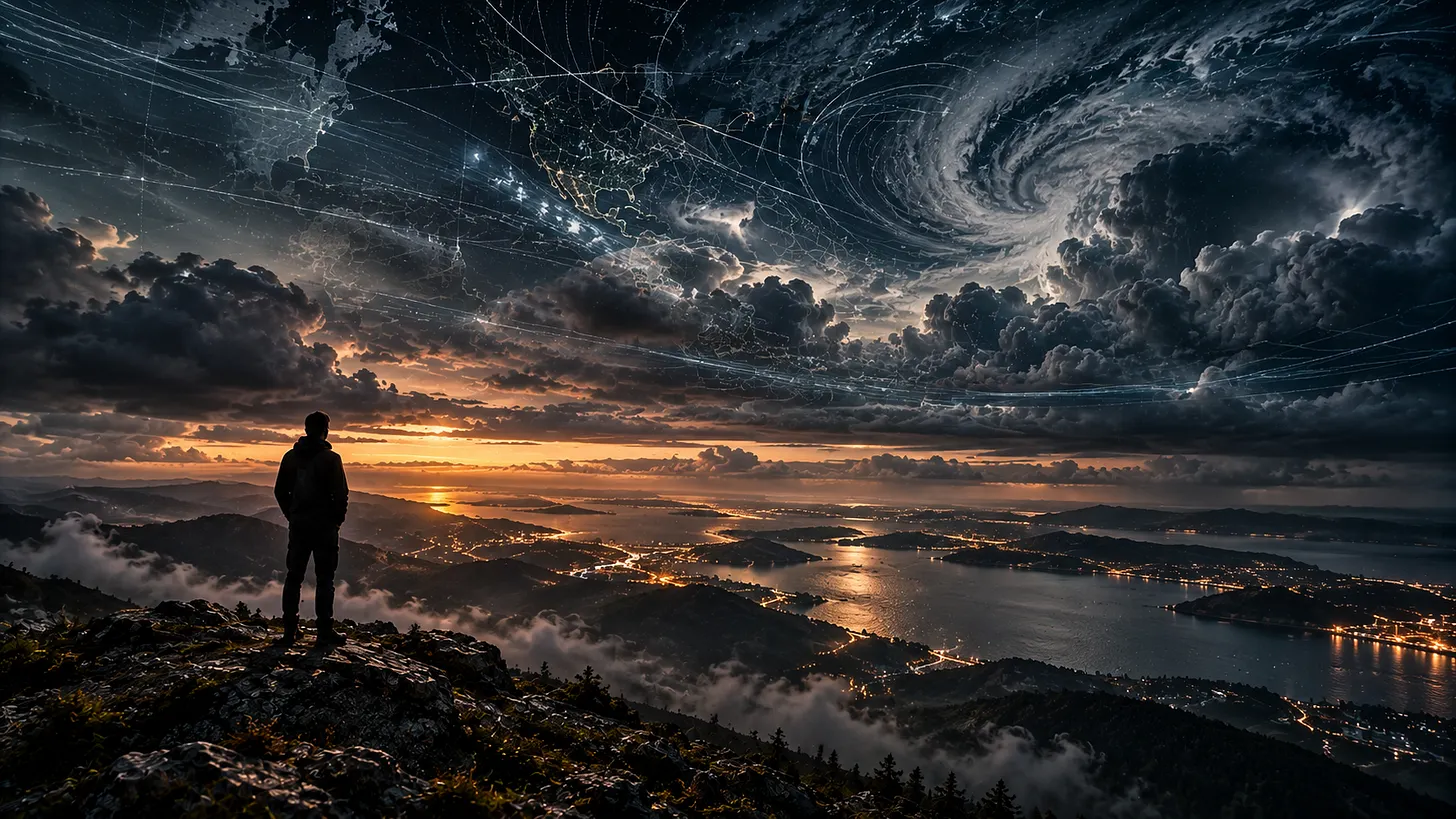
It’s Plausible: Truth, Repetition, and the Manufacture of Belief
Disinformation in the Age of AI
Somewhere along the way, “truth-seeking” on the internet became its own strange ecosystem, complete with its own language, symbols, authorities, personalities, and recurring narratives. What begins as a reasonable question can quickly become something much harder to disentangle, particularly when genuine facts are mixed with speculation, technical language, and claims that seem to explain everything at once. This discussion started with one such story and ended somewhere considerably more interesting.
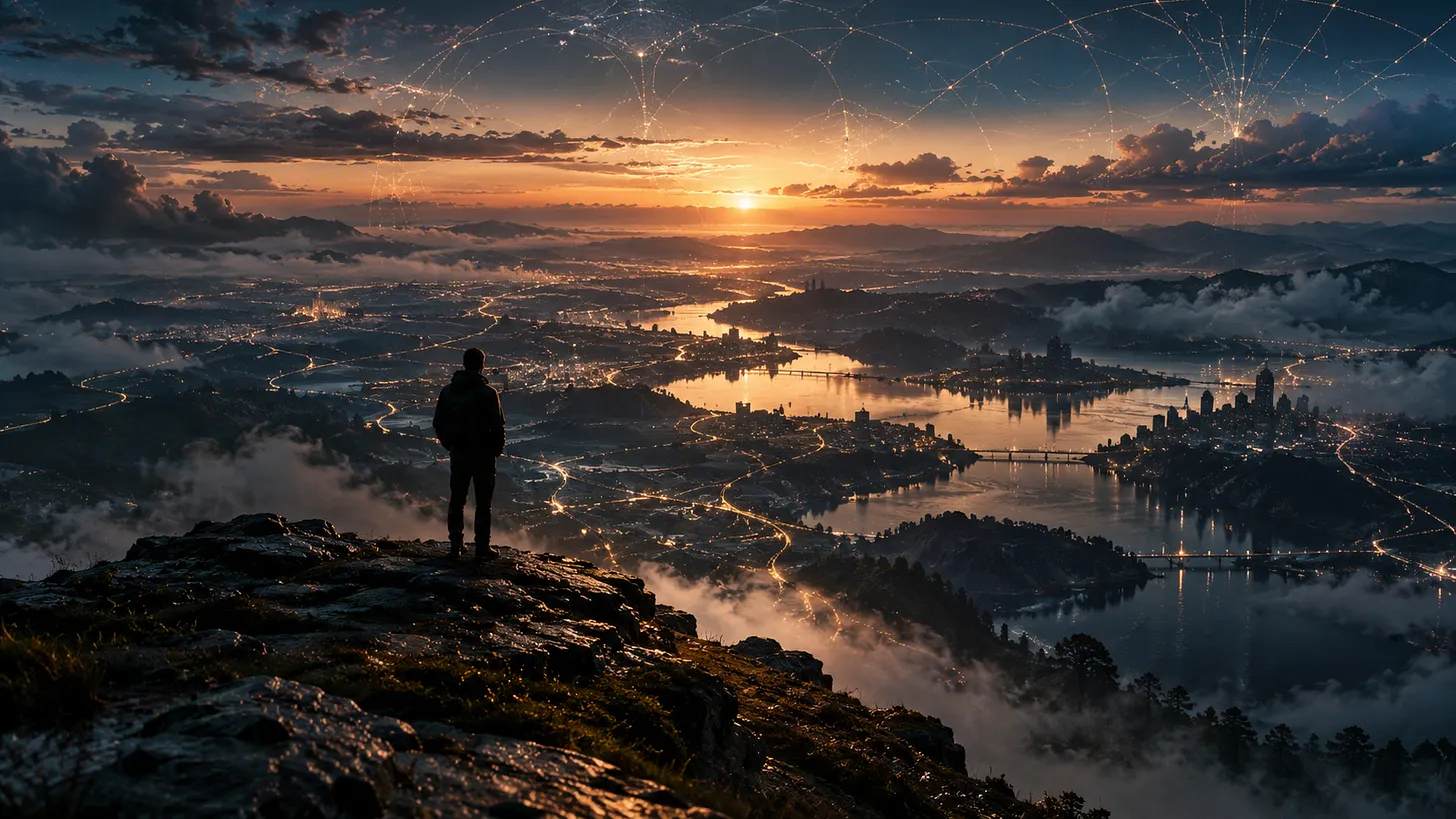
The Devil We Feed: Fear, Attention, and the Creation of Reality
The Observer Becomes Part of the Story
There comes a point in any investigation when the thing being investigated is no longer the only thing worth examining. We can follow the names, institutions, documents, networks, symbols, patterns, and apparent connections as far as they will take us, but sooner or later we have to turn the question back upon ourselves. What happens to the observer who spends enough time looking into the machinery of power, control, fear, and hidden influence? And what happens when the search for an explanation becomes part of the very environment we are trying to understand?