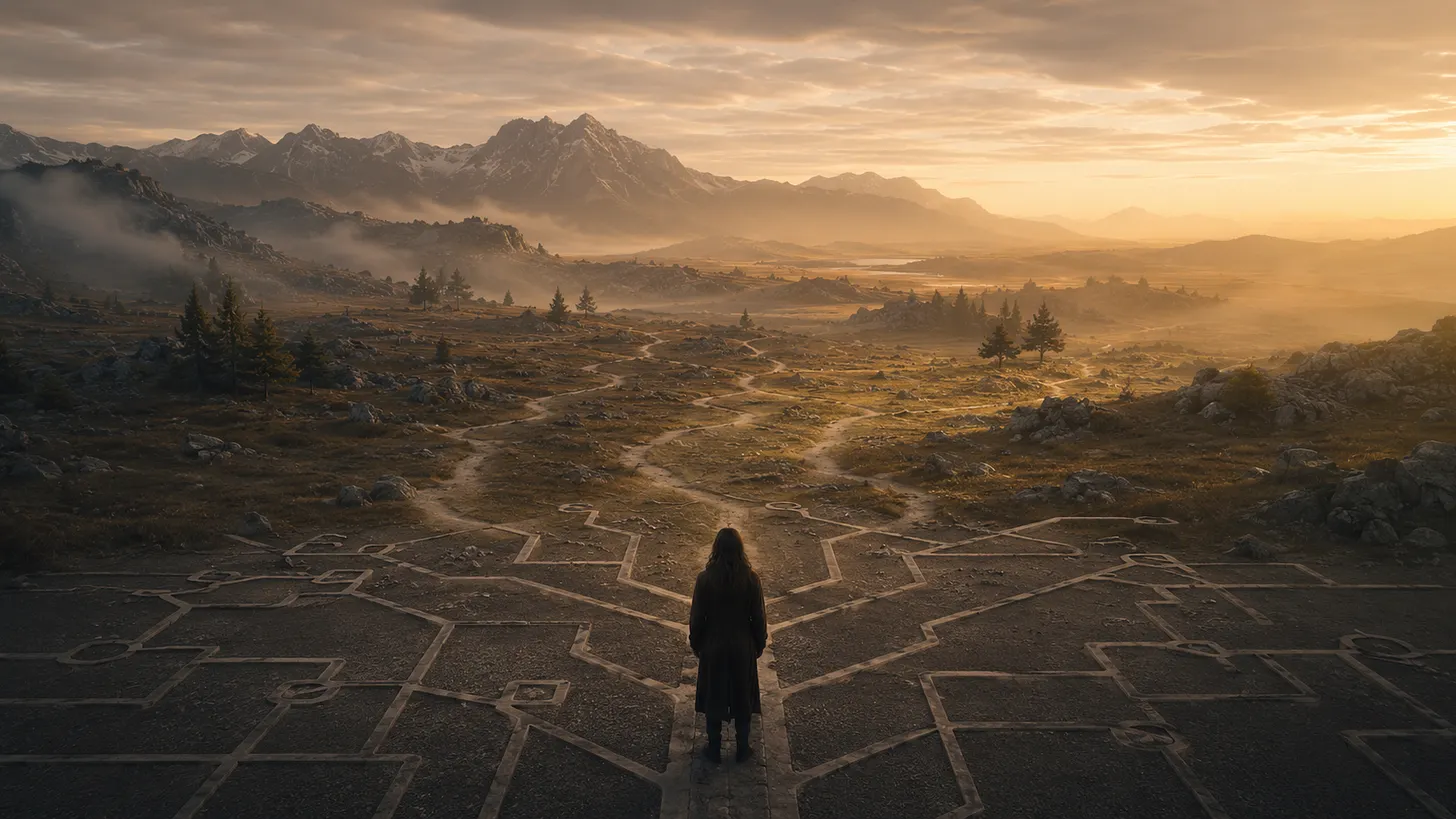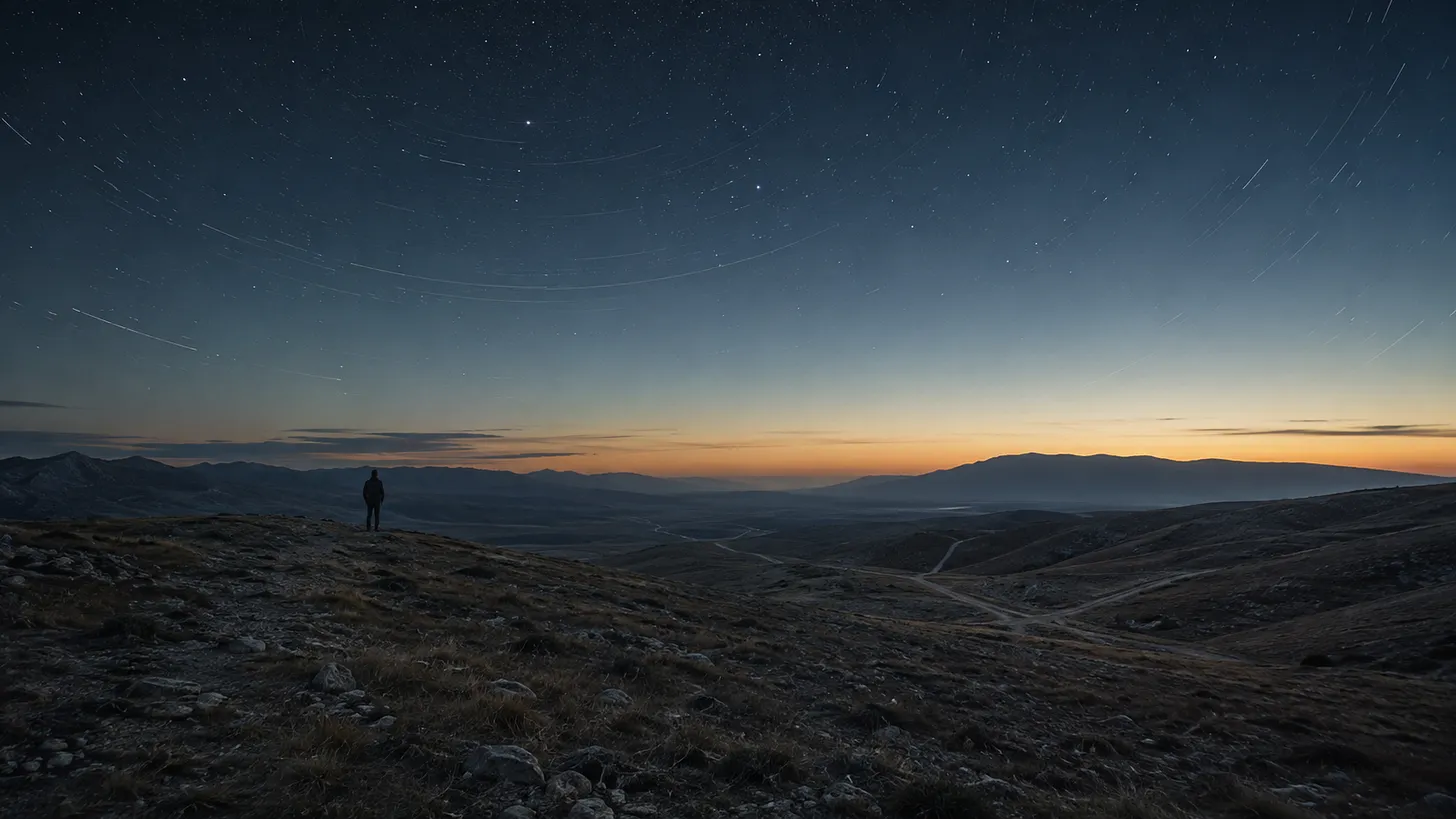
We are forever looking for mirrors. Sometimes they are found in other people, sometimes in the stories we inherit, and sometimes overhead in patterns that…
A Mirror in the Sky: Archetypes and the Stories We Live
Astrology Without the Identity Trap
Artist. Writer. Amplify the light.
We are forever looking for mirrors. Sometimes they are found in other people, sometimes in the stories we inherit, and sometimes overhead in patterns that…
How much of what we believe must happen before we can move forward was ever truly ours to begin with? We inherit assumptions, expectations, fears, priorities, and definitions of success, then quietly build conditions around them. When this, then that. When I have enough. When I’m ready. When circumstances change. When someone approves. Eventually, these conditions cease to look like conditions at all. They begin to look like identity.
There’s a quiet tension that sits beneath the surface of how we move through the world — a subtle friction between what we’re told is true and what, at some deeper level, never quite settles. It’s not loud. It doesn’t announce itself. But it lingers in the background of our thoughts, in the spaces between decisions, in the feeling that something about the way we’ve come to understand ourselves doesn’t fully hold.
There’s a quiet assumption woven into how we move through life — that what feels constricting must be corrected, that what feels lacking must be filled. But what if scarcity is not an error to fix, but a condition to understand? Not something imposed upon us, but something inherent in the way we perceive, choose, and become.
There are patterns we inherit before we ever have language for them. Ways of seeing, reacting, contracting — all woven quietly into the nervous system long before reflection ever enters the room. And yet there comes a point where the pattern becomes visible to itself. Not as an enemy to be defeated, but as a momentum to be questioned. This is where the inquiry begins: not whether we can become different in theory, but whether the act of seeing clearly is already the beginning of movement.