Skip to content

Tag: institutional critique

Useful Approximations: Science, Skepticism, and Reality

There comes a point in any search for truth where the questions become more important than the answers. Not because answers lack value, but because every answer seems to rest upon assumptions inherited from somewhere else. We build models, institutions, and entire civilizations atop foundations we rarely examine, then spend generations refining what may have begun with a misunderstanding. Whether one approaches this through science, philosophy, history, or simple observation, the challenge remains the same: to discern what is real amidst layers of narrative, ideology, and habit. This conversation explores that tension, not in pursuit of certainty, but in pursuit of a more honest relationship with reality itself.

Grand Visions, Ungrounded

Most people never stop to consider how much energy, attention, labor, and capital disappear into ideas that never become reality. We celebrate ambition, scale, and grand visions, yet rarely ask what is sacrificed along the way, or what might have been built instead. Somewhere between the promise and the outcome, countless resources are consumed, while simpler, more immediate, and more human solutions remain largely overlooked.

Immorality as Infrastructure

There is a growing inability, or perhaps unwillingness, to recognize how deeply modern culture shapes the moral and psychological condition of society. Most people move within systems they neither question nor fully perceive, absorbing values, incentives, behaviors, and narratives as though they emerged naturally rather than being carefully cultivated through institutions, markets, media, and governance itself. Yet beneath the spectacle of progress, inclusion, convenience, and endless consumption lies a deeper erosion, one that gradually disconnects human beings from responsibility, discernment, self-reliance, and ultimately from what is real and true.

Property, Law, and Perceived Legitimacy: The Quiet Tension of Property Tax

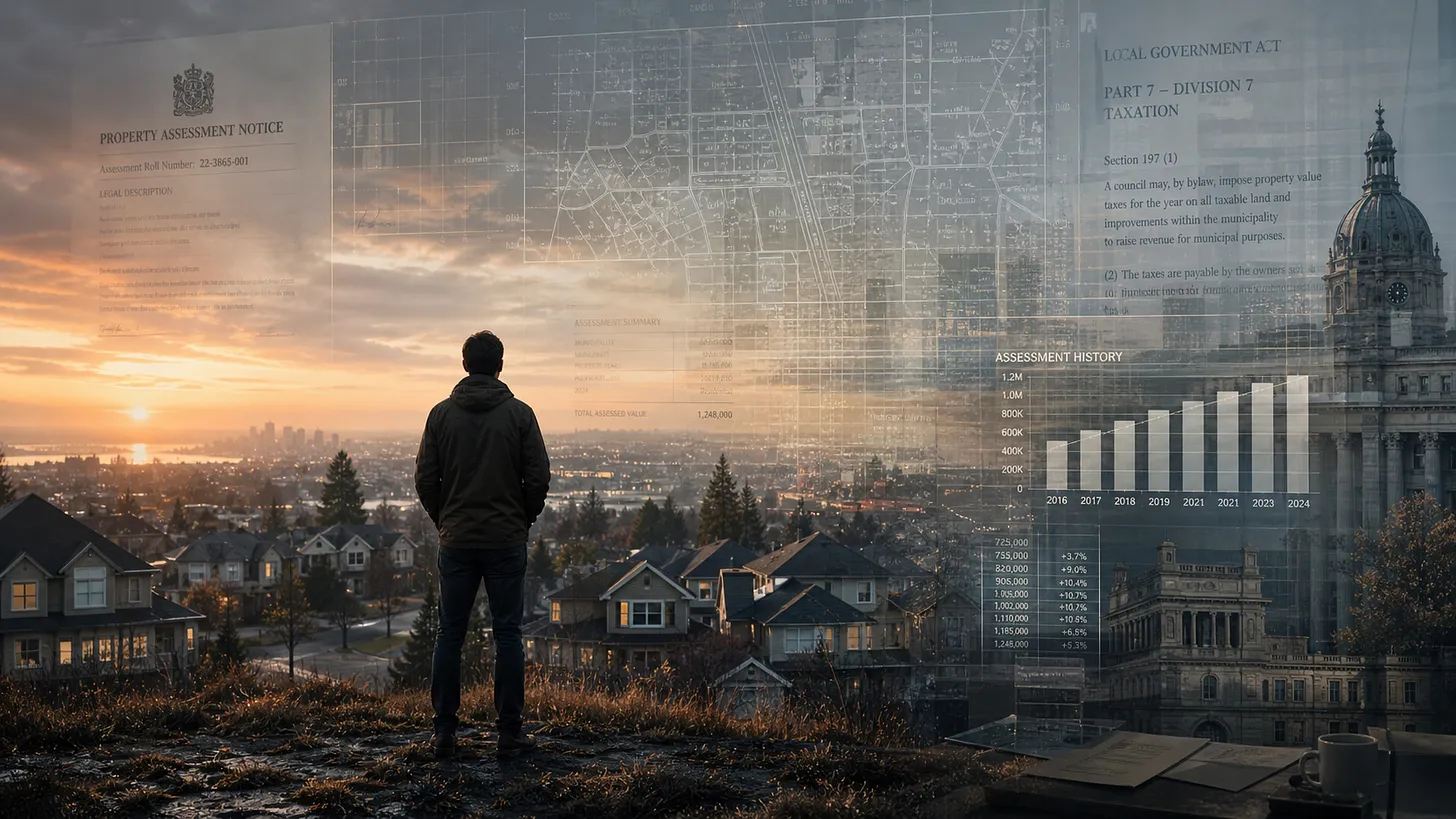
There’s a particular tension that arises when everyday structures, in this case taxation, begin to feel both invisible and unavoidable, as though they’ve grown around the edges of ordinary life without ever being fully examined. Property, law, obligation, and consent blur together in that space where most people are simply trying to live without friction. It’s here that questions about legitimacy, fairness, and participation begin to surface, not as abstractions, but as lived pressure felt through systems that rarely pause to explain themselves.