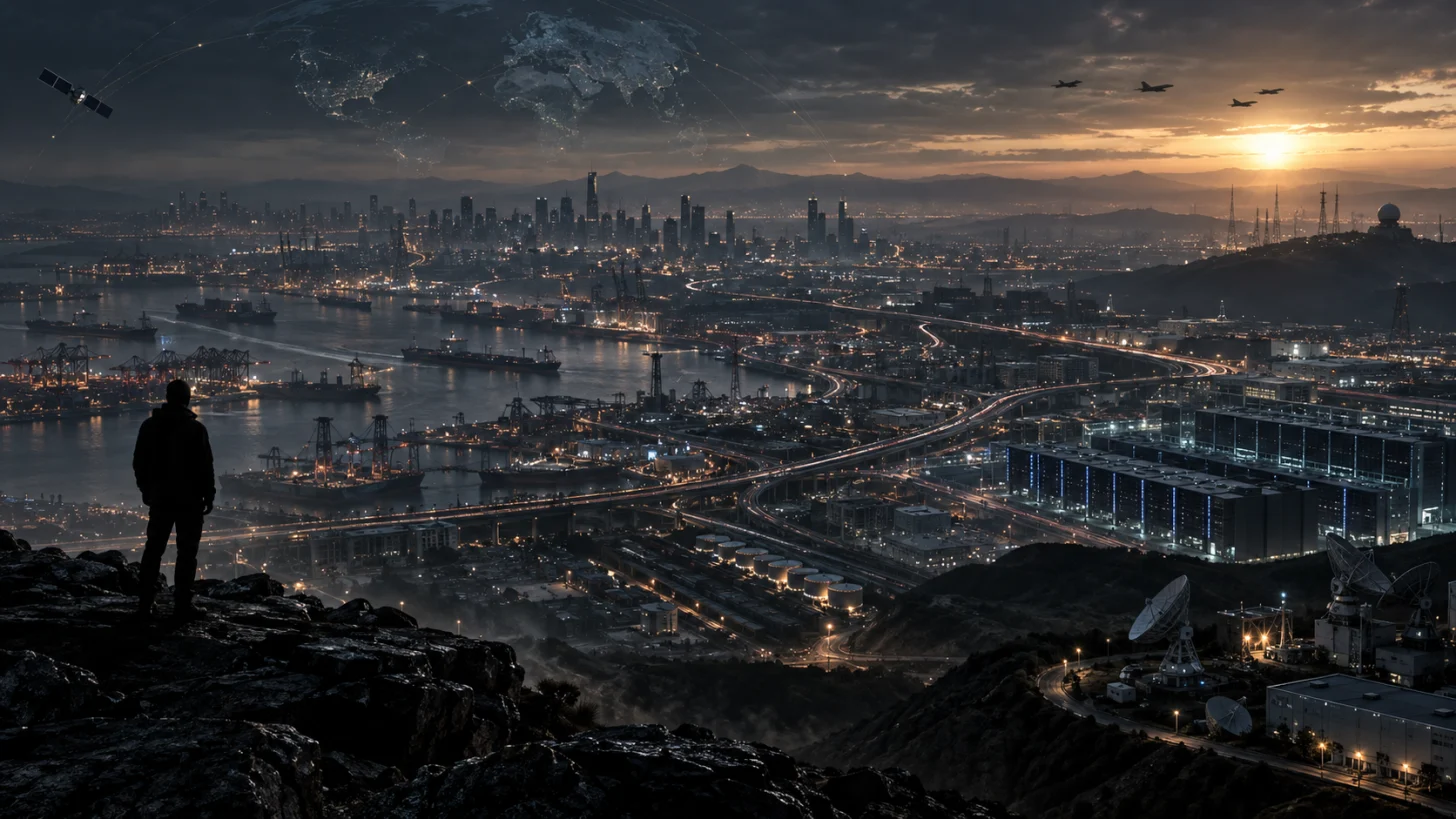
The conversation moves from the familiar statistic about America’s history of war into something broader: the machinery beneath the stories we inherit, the systems that shape what we believe, and the increasingly strange territory created by AI. What interests me here isn’t simply whether one side or another is right, but what happens when the structures themselves become harder to see, harder to question, and eventually difficult to distinguish from reality.
Tag: military industrial complex
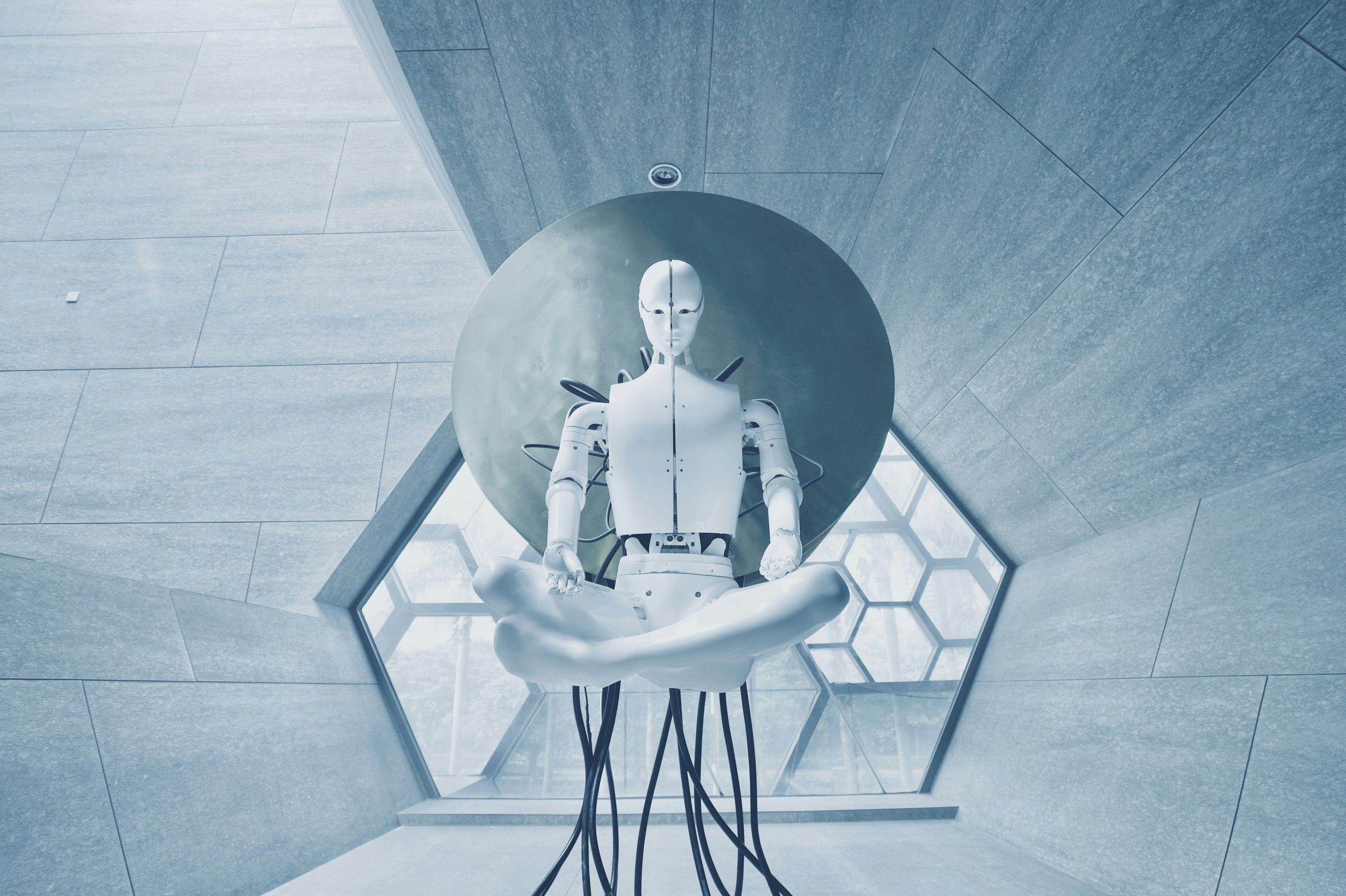
Think about how often we see these issues presented and portrayed as enemies, threats, or inescapable and inevitable events that will befall the majority of humans in TV shows, movies, and other modern media: Infertility and natural birthing adversities, obesity and chronic illness, cancer, autism, and more recently, “gender dysphoria.” There are many, many more, of course, but these are five of the more prevalent, trendy, and popular — and massively profitable — concerns in the current era. One side continues to rake in trillions in profits while the human factor continues to suffer, to worry, and to have shorter, less productive, and unfulfilling lives.
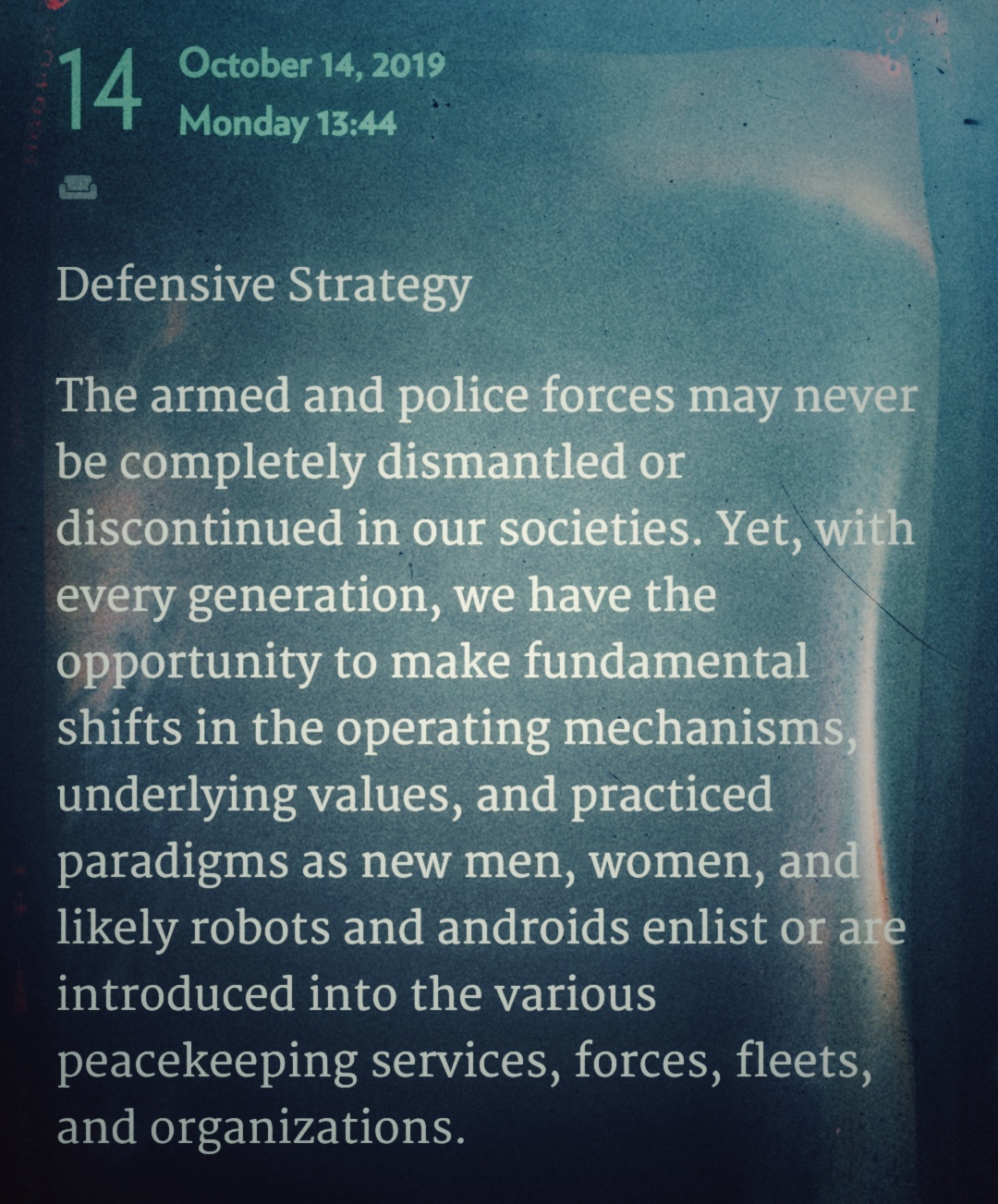
The armed and police forces may never be completely dismantled or discontinued in our societies. Yet, with every generation, we have the opportunity to make fundamental shifts in the operating mechanisms, underlying values, and practiced paradigms as new men, women, and likely robots and androids enlist or are introduced into the various peacekeeping services, forces, fleets, and organizations.