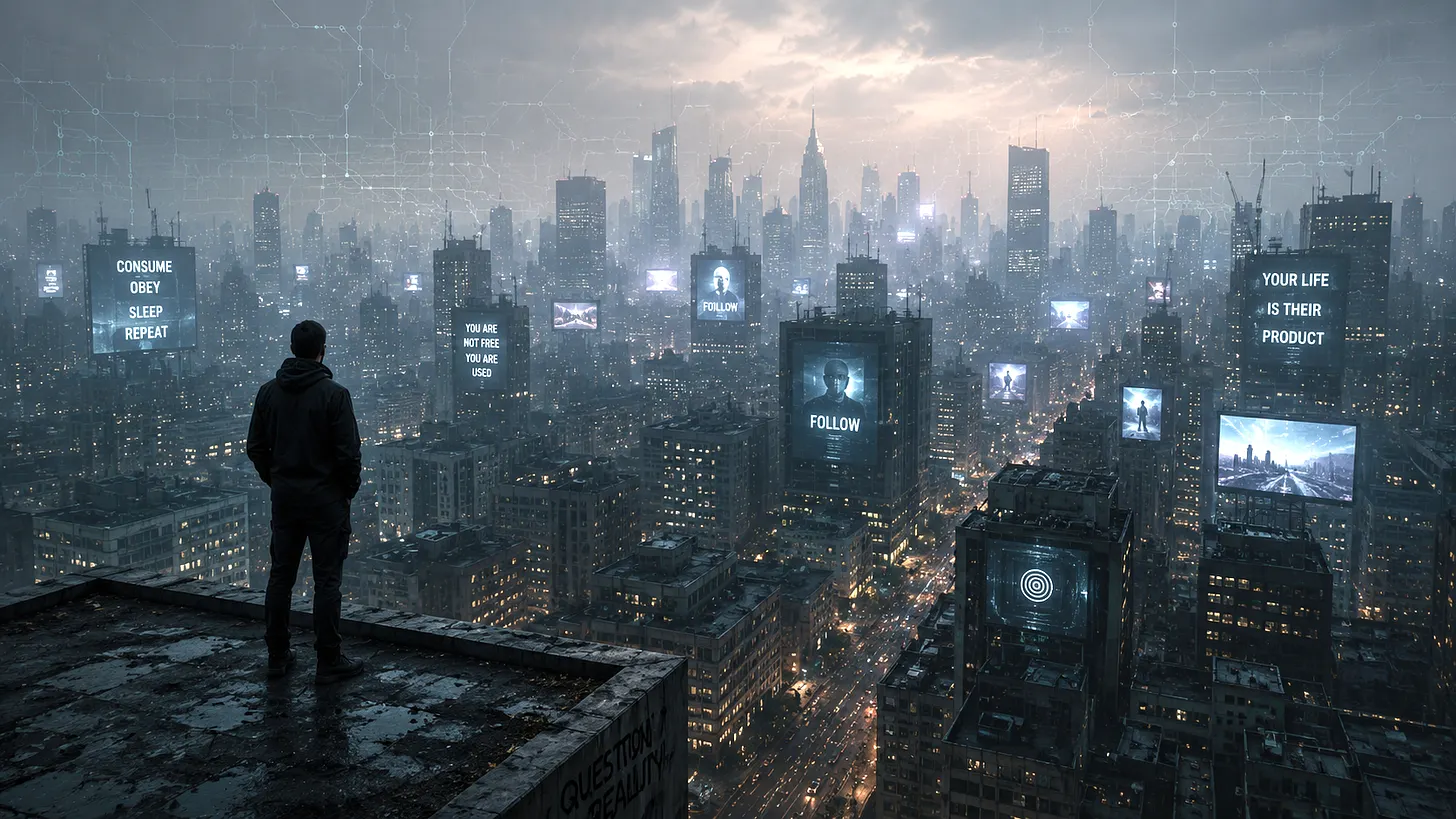
There is a growing inability, or perhaps unwillingness, to recognize how deeply modern culture shapes the moral and psychological condition of society. Most people move within systems they neither question nor fully perceive, absorbing values, incentives, behaviors, and narratives as though they emerged naturally rather than being carefully cultivated through institutions, markets, media, and governance itself. Yet beneath the spectacle of progress, inclusion, convenience, and endless consumption lies a deeper erosion, one that gradually disconnects human beings from responsibility, discernment, self-reliance, and ultimately from what is real and true.
Tag: politics
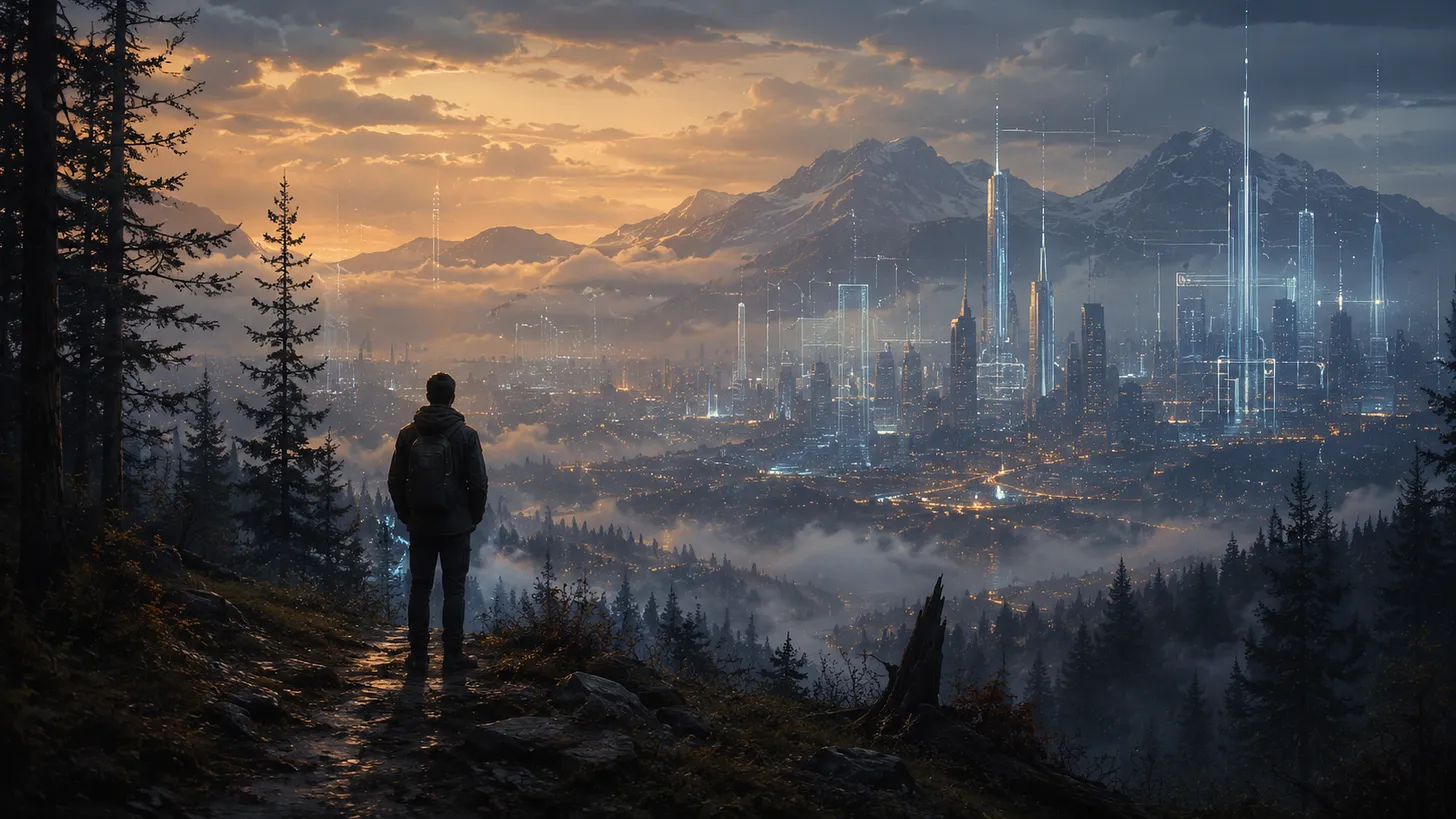
There’s a strange clarity that comes when one steps far enough back from the noise to observe the machinery itself. Not merely politics or economics in isolation, but the layered systems, narratives, incentives, and abstractions through which modern societies attempt to organize human life. We inherit these structures, participate in them, resist them, and are shaped by them in equal measure. Yet beneath the endless rhetoric and ideological branding remains a quieter and more enduring question: what kind of life is actually worth building, sustaining, and passing on?

There are threads of thought that don’t sit comfortably in the daylight of consensus reality, yet refuse to disappear. They surface in fragments, in conversations, in late-night audio streams where symbolism, history, and perception blur into one another. What emerges is not a fixed doctrine, but a way of seeing patterns beneath the surface of events, and a growing sensitivity to how attention itself is shaped, directed, and absorbed.

We tend to believe we’re moving forward, refining systems, improving outcomes. But every so often, stepping back reveals something else entirely — a pattern not of progress, but of repetition and intensification.

There’s a subtle rhythm to knowledge — a pulse that runs beneath the surface of what we’re told and what we assume. In the spaces outside the mainstream, where voices persist despite ridicule, ostracization, and platform collapse, we find threads of insight that ripple quietly through time. What I aim to do here isn’t to canonize, but to illuminate: to trace the currents of thought that stretch across decades, connecting minds who dared to look deeper, to see through the veil, and to preserve what matters before it vanishes.