
There are few substances as culturally protected as coffee. It has become so deeply embedded in daily life that questioning it is often treated as questioning common sense itself. Yet familiarity has never been a reliable measure of truth. Whether viewed through the lens of physiology, commerce, habit, or personal experience, coffee invites a conversation that extends far beyond the contents of the cup. What follows is one such exchange, grounded less in defending conclusions than in examining assumptions.
Tag: science

The more I examine the stories we tell ourselves about progress, stewardship, and responsibility, the more I find that the technical details are only ever the surface. Beneath them lies something far more revealing: the values we choose to elevate, the assumptions we rarely question, and the philosophies that quietly shape the decisions affecting us all.

Asking Better Questions: Notes on Health and Understanding
Questioning the Models We Inhabit
Some conversations are less about arriving at definitive answers than they are about examining the assumptions beneath them. This exchange became an exploration of health, physiology, medicine, and the language we use to describe the body itself. Whether one agrees or disagrees with the perspectives presented, the value lies in slowing down long enough to question inherited narratives and consider the possibility that our models of understanding are always evolving.

Beyond the Earthquake: Truth, Power, and Perception
Interpreting Crisis Beyond the Headlines
Every event carries more than its immediate consequences. Beyond the headlines, casualty counts, and official statements lies another layer of inquiry, one concerned less with certainty than with the frameworks through which we arrive at it. Whether the subject is a natural disaster, a political crisis, or a cultural moment, what we choose to believe often reveals as much about ourselves as it does the event before us. This conversation unfolded within that tension, exploring not only what happened, but how we decide what is true in the first place.
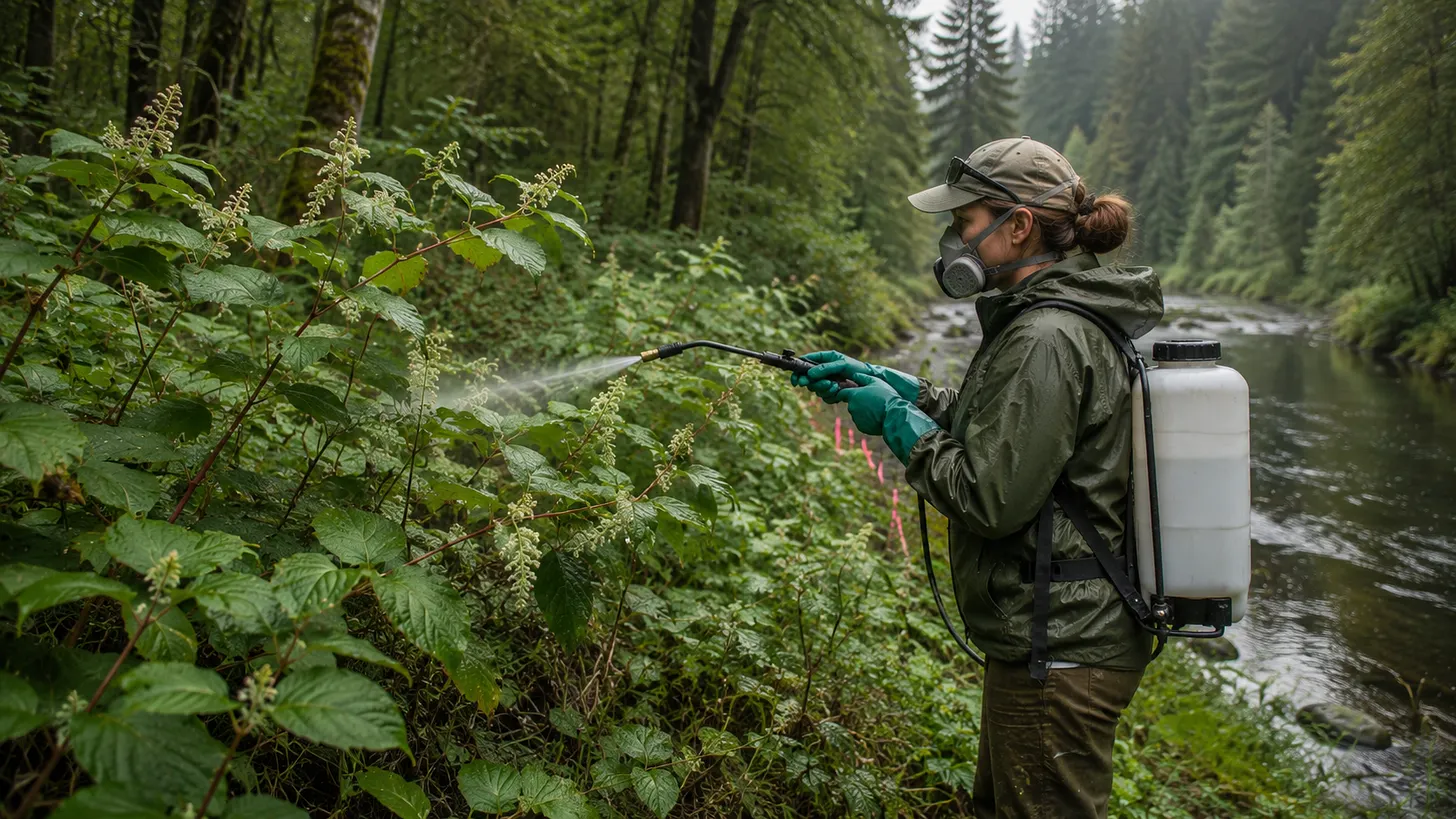
Stewardship or Control: Rethinking Invasive Species
Knotweed, Glyphosate, and Humility
There’s a curious habit we’ve developed as a civilization. Faced with complexity, we instinctively reach for management, intervention, and control. We identify a problem, assign it a name, devise a solution, and rarely pause long enough to ask whether our understanding of the problem is complete. Sometimes the most revealing conversations begin not with answers, but with the assumptions we’ve forgotten to question.