
There is something strangely comforting in the realization that permanence may never have been the point. We spend so much effort trying to hold everything in place, to preserve every trace, every photograph, every word, every fragment of experience, as though existence itself might be made durable through sufficient storage. But perhaps what matters most was never meant to remain intact. Perhaps it was only meant to pass through us.
Tag: civilization
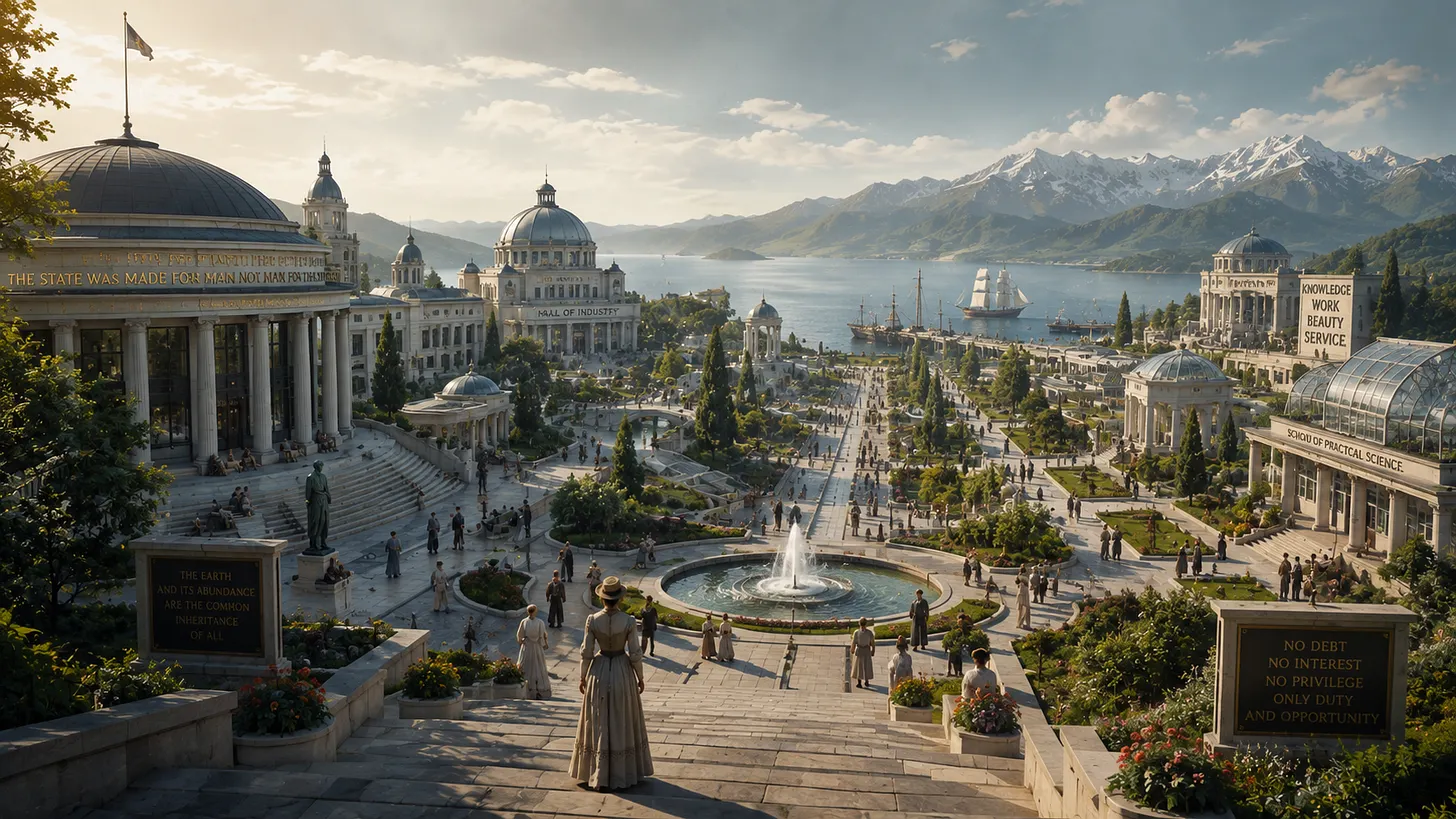
The Unfinished Civilization: Procedure, Cosmology, and the Human Condition
On Governance, Meaning, and Human Agency
There is something deeply revealing in the distance between a system that functions and a civilization that knows what it is functioning for. We have become remarkably adept at refining procedures, optimizing processes, measuring outcomes, and promising the next great improvement, yet the larger questions of meaning, purpose, agency, and human flourishing remain stubbornly unresolved. Perhaps the trouble begins when we mistake increasingly sophisticated machinery for wisdom, and forget that every procedure already rests upon a cosmology, whether we acknowledge it or not.

Inheritance and Influence: On History, Institutions, and Human Possibility
Systems, Narratives, and Human Nature
There are conversations that circle around familiar questions until a subtle shift in perspective reveals a deeper one waiting beneath them. This exchange became less about identifying visible systems of power and more about examining the stories we inherit, the assumptions we rarely question, and whether the recurring patterns of civilization arise from human nature, institutional conditioning, or something more fundamental.

Machines of Meaning: On AI, Progress, and Human Judgment
A Conversation on Technology and Wisdom
Some conversations begin with a question. Others reveal a fault line. Whether we’re discussing artificial intelligence, medicine, technology, or culture, the deeper inquiry remains the same: what assumptions have quietly become unquestionable? This exchange wandered through familiar territory and uncovered something more enduring than agreement or disagreement. It became an exploration of first principles, of competing worldviews, and of the increasingly difficult task of distinguishing representation from reality.
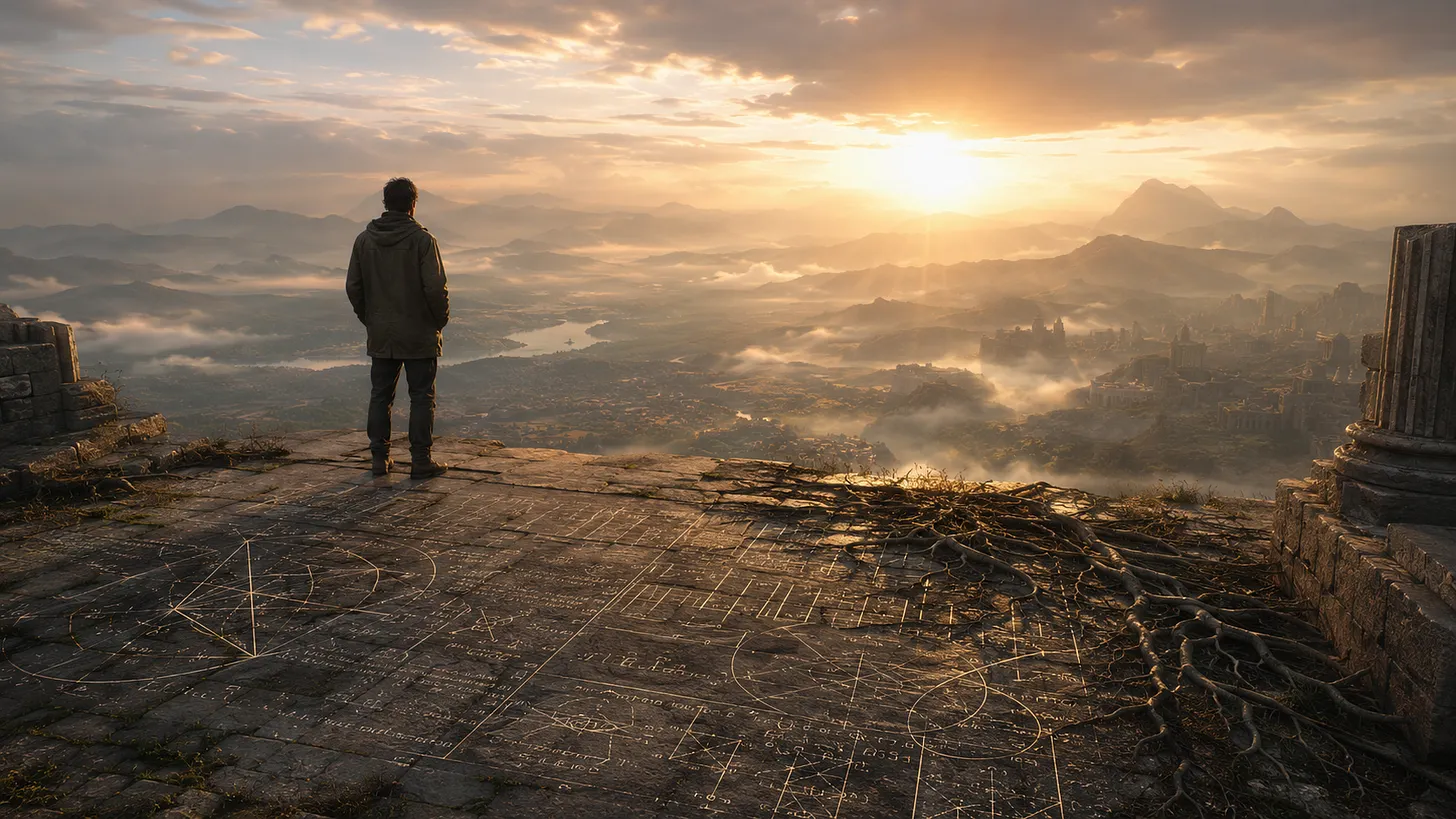
Useful Approximations: Science, Skepticism, and Reality
Discernment and Navigating the Modern Narrative
There comes a point in any search for truth where the questions become more important than the answers. Not because answers lack value, but because every answer seems to rest upon assumptions inherited from somewhere else. We build models, institutions, and entire civilizations atop foundations we rarely examine, then spend generations refining what may have begun with a misunderstanding. Whether one approaches this through science, philosophy, history, or simple observation, the challenge remains the same: to discern what is real amidst layers of narrative, ideology, and habit. This conversation explores that tension, not in pursuit of certainty, but in pursuit of a more honest relationship with reality itself.