
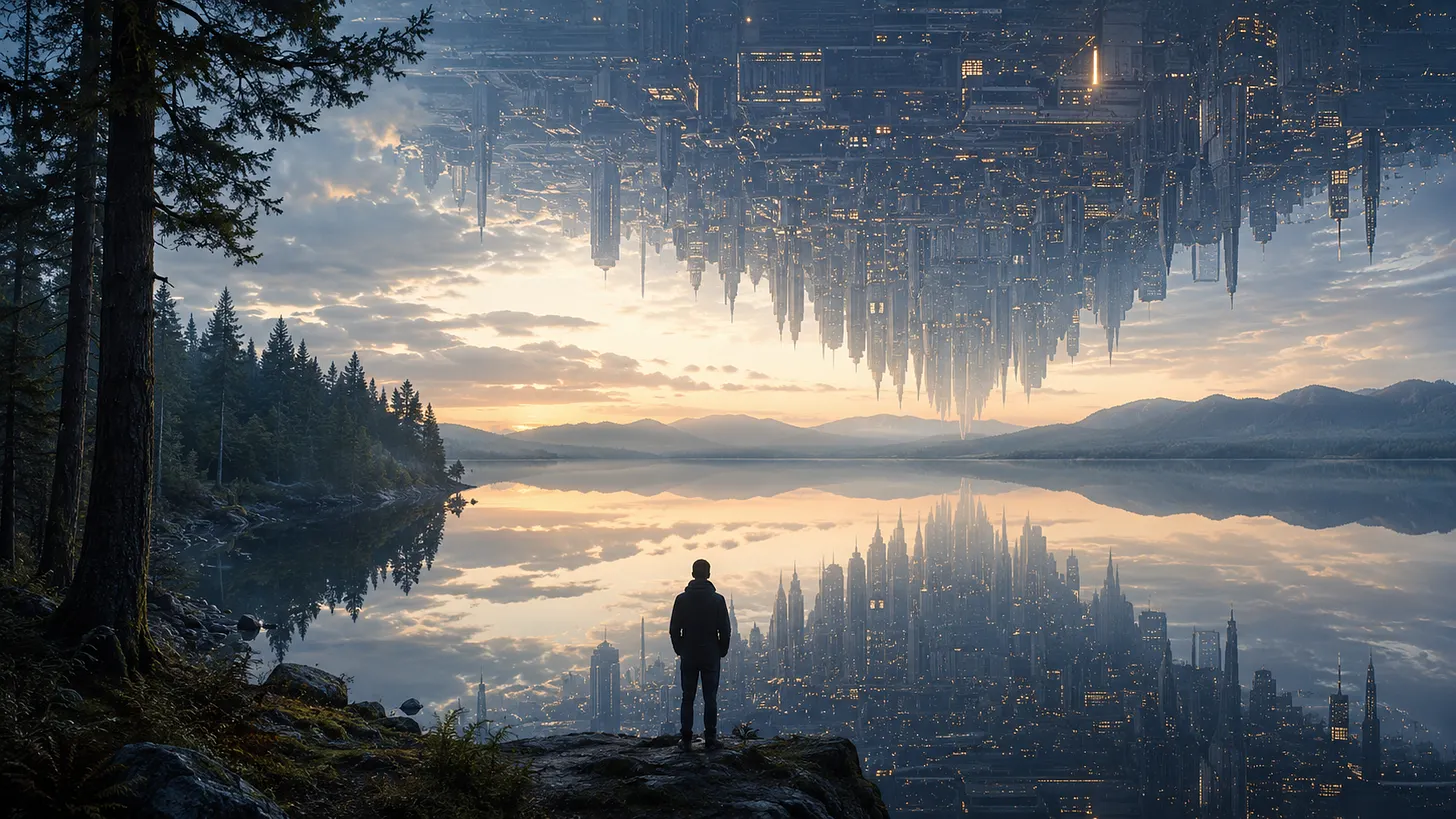
Artificial intelligence may be the most consequential mirror humanity has ever created. We are building machines by feeding them an extraordinary portion of what we have written, recorded, imagined, discovered, argued about, believed, and created, and then asking them to make sense of it. For the first time, we have a technology capable of processing an enormous portion of the human record and reflecting patterns back to us that no individual could possibly perceive on their own. And yet, much of the public conversation surrounding AI seems to begin with the assumption that what it finds there will inevitably be dangerous. I find that assumption worth questioning.
Tag: digital culture
Machines of Meaning: On AI, Progress, and Human Judgment
A Conversation on Technology and Wisdom
Some conversations begin with a question. Others reveal a fault line. Whether we’re discussing artificial intelligence, medicine, technology, or culture, the deeper inquiry remains the same: what assumptions have quietly become unquestionable? This exchange wandered through familiar territory and uncovered something more enduring than agreement or disagreement. It became an exploration of first principles, of competing worldviews, and of the increasingly difficult task of distinguishing representation from reality.
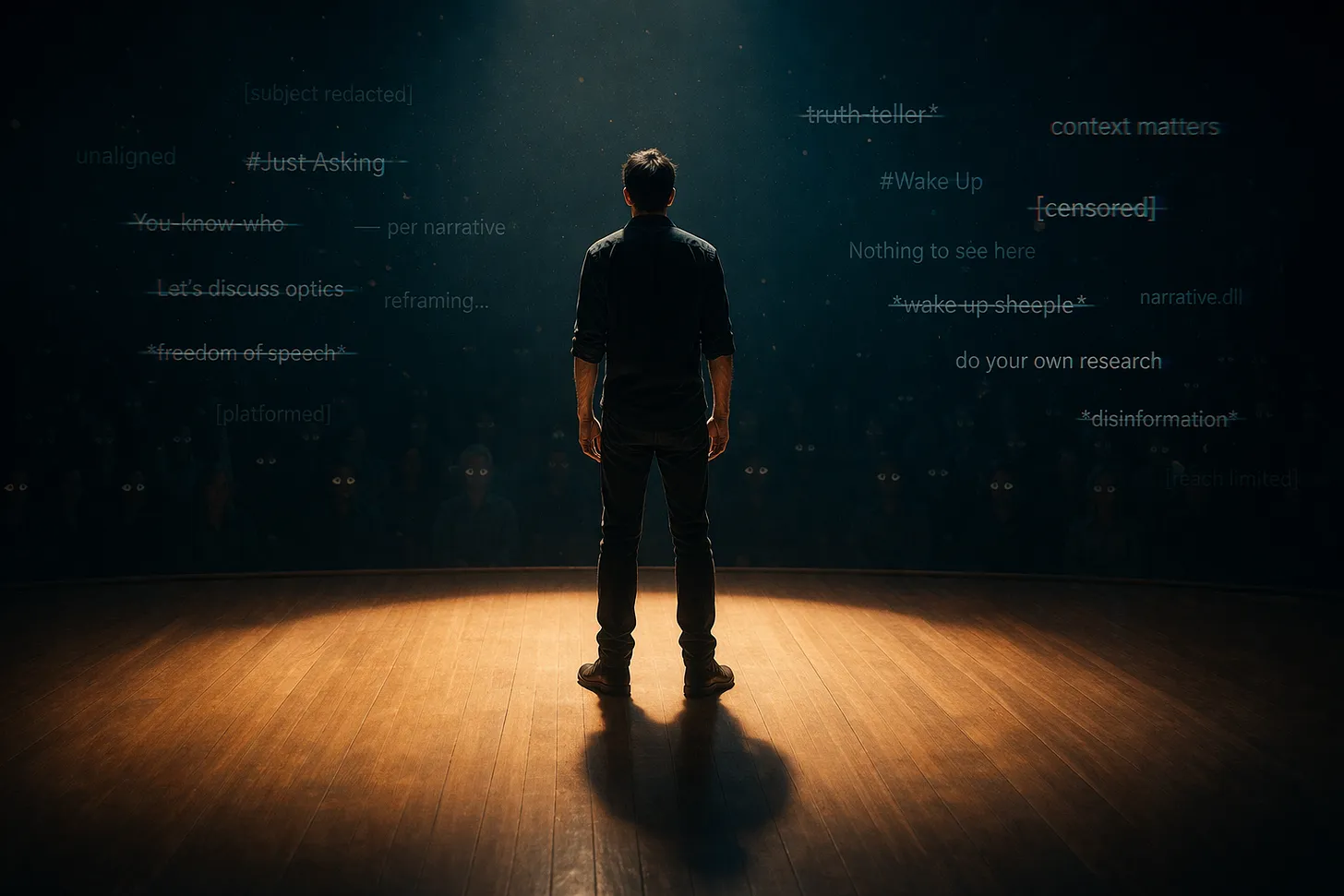
We rarely speak as freely as we think we do. Beneath our words sits a quiet negotiation between what is true, what is permitted, and what is rewarded. Over time, that negotiation begins to shape not only how we communicate, but who we become when we do.

Time is the only resource we truly spend without knowing the balance. Most of us were trained to accumulate information, credentials, and distractions, yet very few of us were ever taught how to recognize what actually matters. In a world overflowing with noise, the real skill may simply be learning how to tell the difference between trash and treasure.
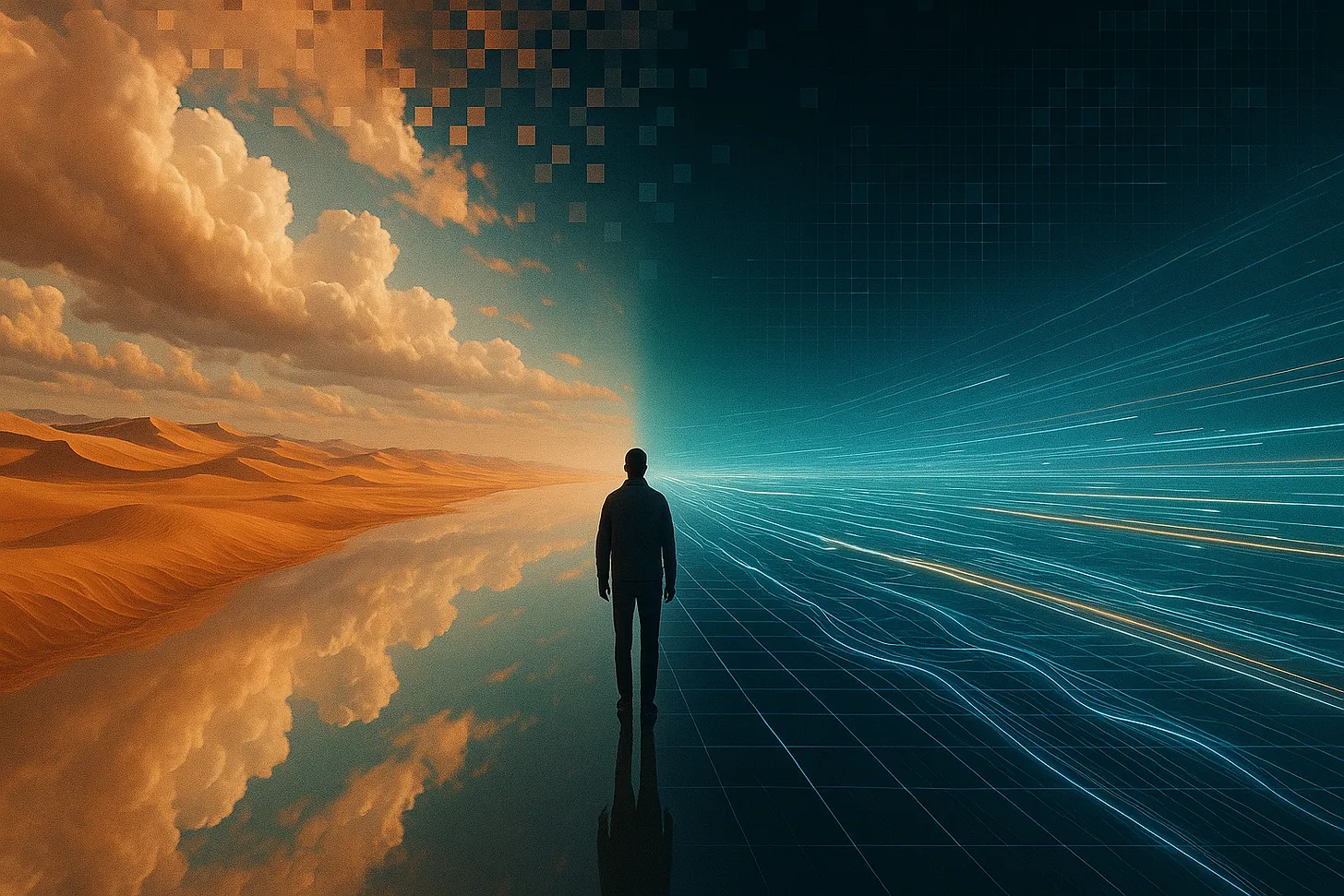
We’re living through a quiet inversion — a moment when the map has overtaken the territory, and data has become the dominant expression of what we call real. The human story, long mediated through art, language, and memory, is now increasingly shaped by algorithms, proxies, and synthetic simulations of experience. What began as tools to extend our understanding have become the filters through which that understanding must now pass. And so we find ourselves adrift in a new kind of labyrinth — one built not of walls, but of reflections.