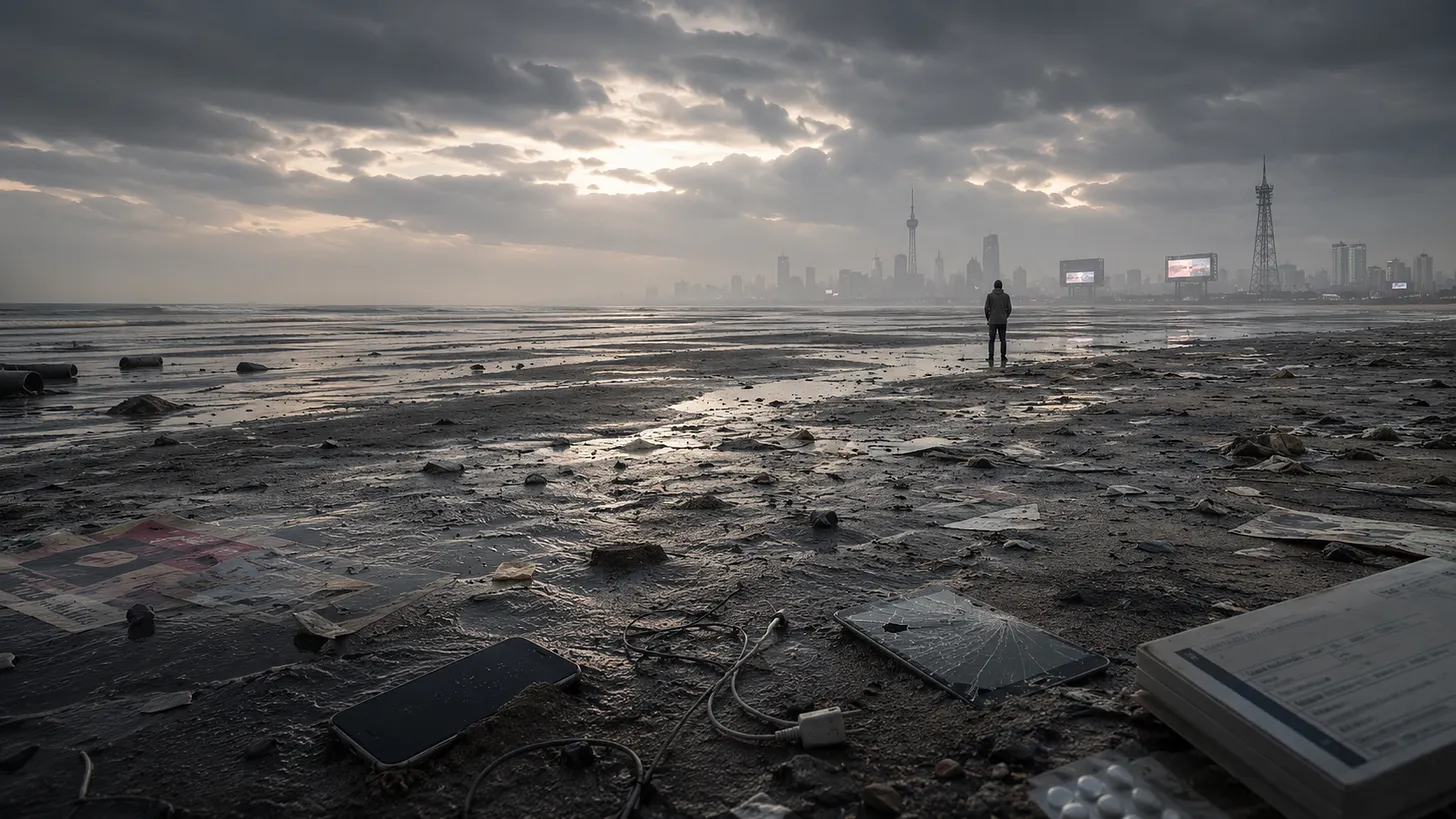
There is always a point when the wave begins to recede. The spectacle loses some of its glamour, the promises become harder to sustain, and what was presented as inevitable begins to look merely excessive. What remains afterward is often more useful than the frenzy that carried it in, but the retreat also exposes what the flood obscured: the interests behind it, the costs absorbed along the way, and how readily we can be persuaded to surrender our attention, judgment, and agency to whatever arrives next.
Tag: institutional power

Libraries, Legacy, and Memory: Reflections on History and Influence
Institutions, Elites, and the Search for Truth
Truth has an odd way of inviting us deeper while reminding us how little we actually know. Every answer seems to uncover another layer, another assumption, another blind spot masquerading as certainty. The more I investigate history, power, institutions, and the stories we inherit, the less interested I become in defending conclusions and the more interested I become in refining discernment. Perhaps that is where genuine inquiry begins.
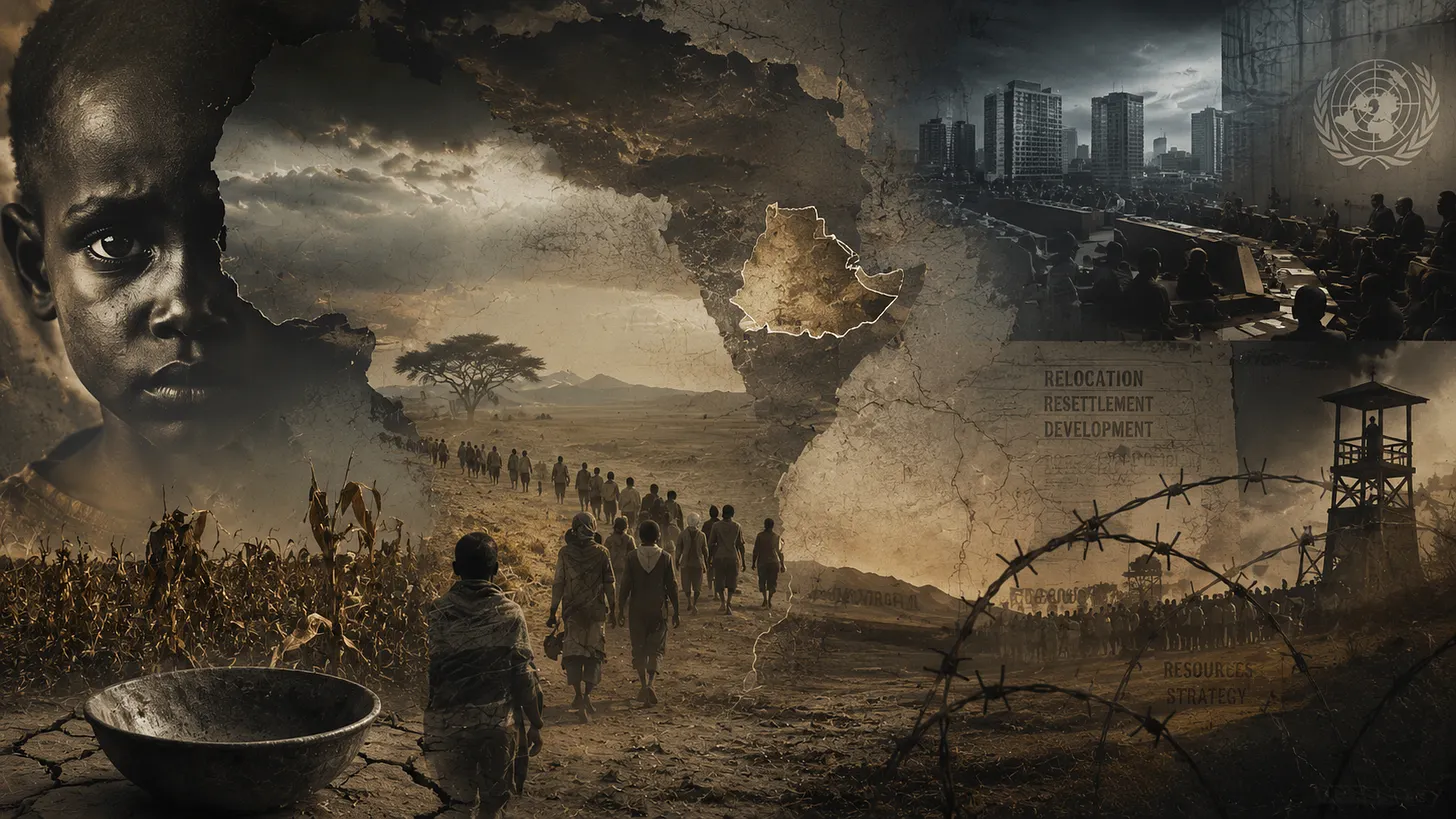
History has a peculiar way of echoing through the present. Sometimes the parallels are obvious; more often they reveal themselves through recurring patterns that transcend borders, ideologies, and generations. This discussion began with a closer look at the Ethiopian famine of the 1980s, but soon widened into a broader reflection on state power, collective memory, institutional narratives, and the enduring tension between human dignity and systems of control. Whether one agrees with every conclusion or not, the recurring questions themselves remain worthy of careful examination.

There is a growing inability, or perhaps unwillingness, to recognize how deeply modern culture shapes the moral and psychological condition of society. Most people move within systems they neither question nor fully perceive, absorbing values, incentives, behaviors, and narratives as though they emerged naturally rather than being carefully cultivated through institutions, markets, media, and governance itself. Yet beneath the spectacle of progress, inclusion, convenience, and endless consumption lies a deeper erosion, one that gradually disconnects human beings from responsibility, discernment, self-reliance, and ultimately from what is real and true.

In a world that constantly rearranges itself beneath our feet, the quiet work is always inward. The outer noise — crises, narratives, rituals of distraction — will never pause, and neither should your gaze. To navigate without being consumed requires a deliberate alignment of mind, spirit, and action: not reaction, not escape, but presence, discernment, and a refusal to surrender sovereignty. This is the space where choice persists, even as the machinery of the world hums on.