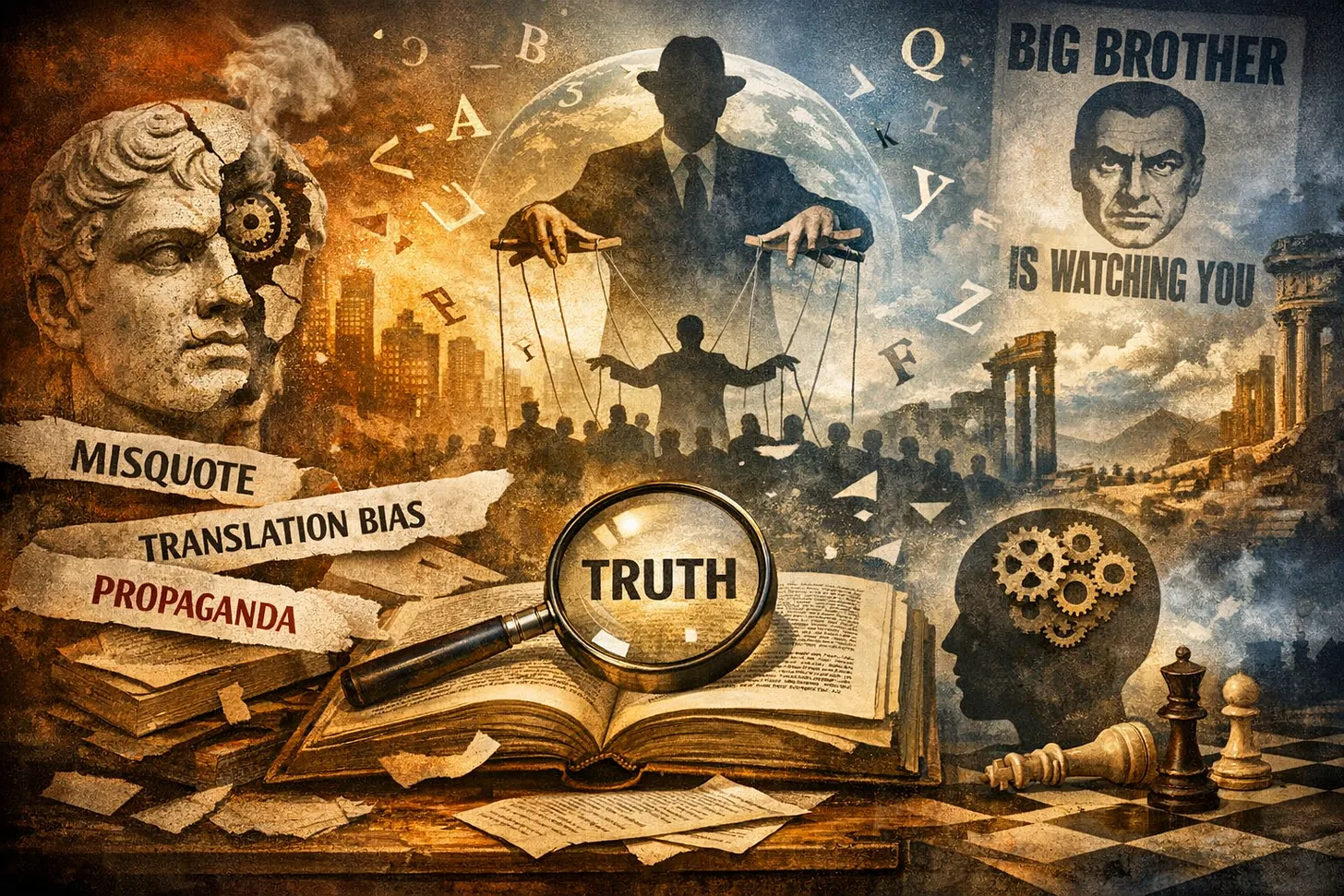
The quiet work of reading, thinking, and observing is a discipline few pursue seriously. We drift through culture at the speed it demands, yet meaning — the real, unflattened substance of language — waits in the spaces we slow down to occupy. In this discourse, we peer beneath the polished surfaces, examining how words shape thought, how misquotes migrate into myth, and how depth survives, or fails, in the hands of time, translation, and repetition.
Tag: media

The age of streaming has transformed storytelling into a delicate balancing act between attention metrics and human meaning. What we consume is no longer just entertainment — it’s data, a signal optimized for engagement rather than resonance. In this discourse, we navigate the tension between algorithmically engineered content and the enduring need for stories that breathe, that unfold slowly, and that root themselves in human experience.

There’s a strange alchemy in storytelling — a place where human imagination collides with machinery, commerce, and timing. Some stories are born into worlds that can barely contain them, yet they find a way through anyway. Firefly is one of those cases: a short-lived show, mismanaged, misunderstood, and yet immortal. What happens when the spark of human resonance meets the grinding cogs of industry? That tension is where legend is born.
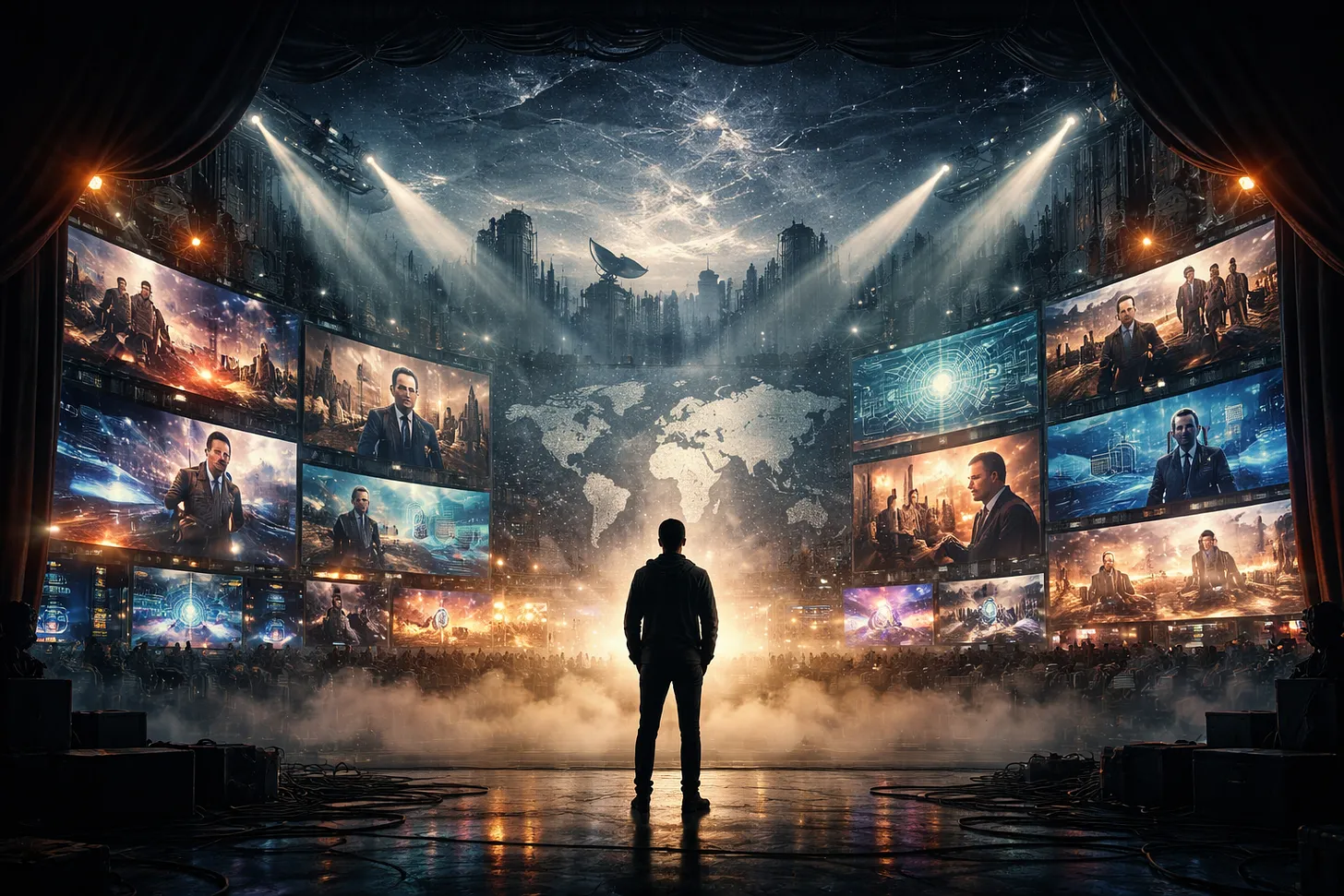
We live in a peculiar moment where the spectacle of the world increasingly resembles a poorly disguised stage production. The language of power, war, technology, and security is repeated endlessly until it begins to resemble something closer to theater than truth. Narratives are curated, crises are framed, and the public is invited to participate as spectators in a drama that feels both monumental and strangely hollow. In such a climate, the real challenge is not deciphering every detail of the spectacle — but learning to recognize the difference between the noise of the system and the quiet signal of reality itself.
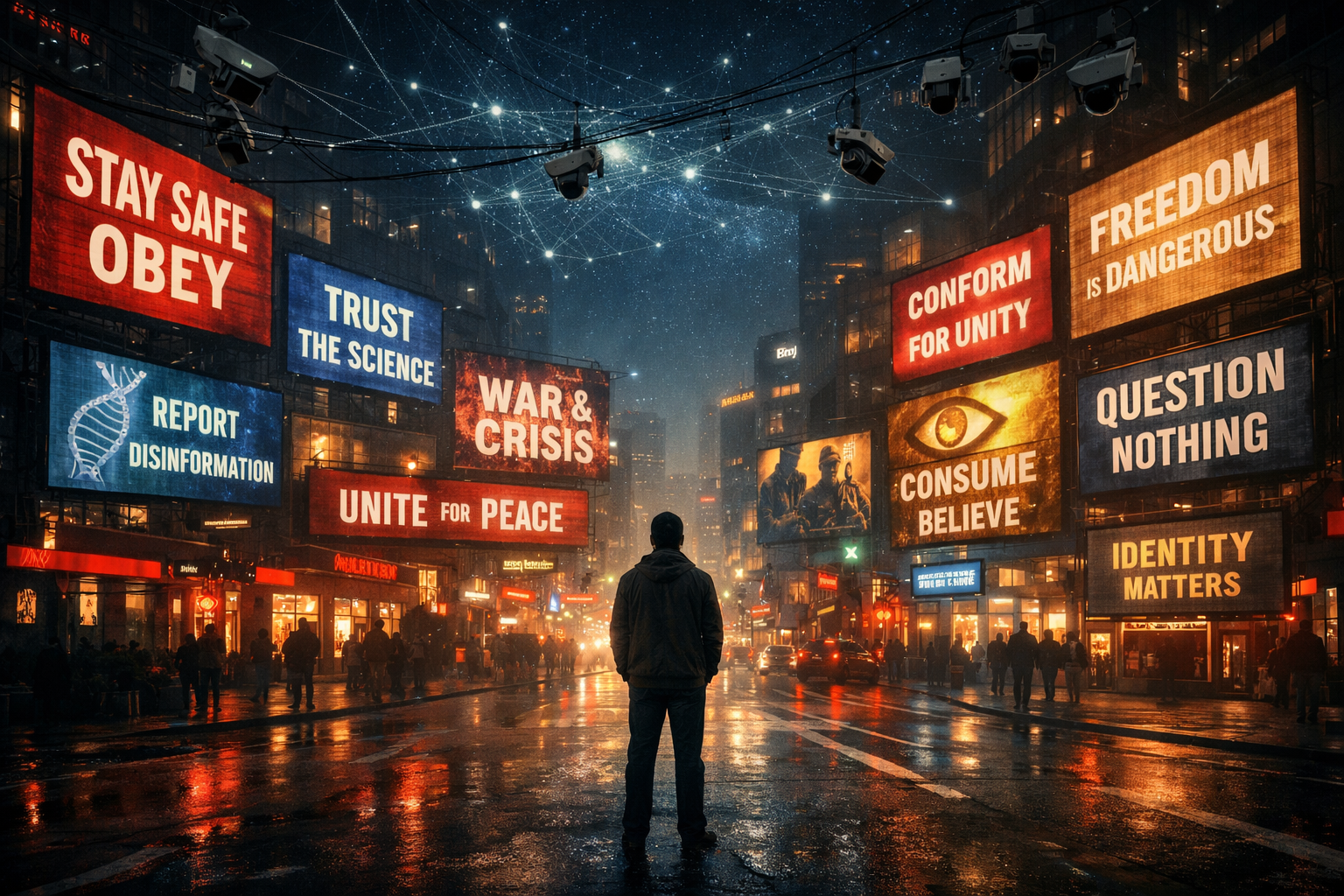
We are no longer merely debating politics, censorship, or technology. The deeper conflict concerns reality itself — who defines it and how its boundaries are enforced. Different societies justify it in different ways, yet the pattern is consistent: shape perception and behavior follows. When the story of the world is curated, the people within it can be guided. What follows is not a comparison of nations or ideologies, but an inquiry into influence, belief, and the growing necessity of discernment.