Skip to content

Tag: political economy

Wealth Exodus: The Shifting Landscape of Economic Power

Capital, Demographics, and Political Change

There’s a curious relationship between the people who govern a country, the people who generate its wealth, and the people who simply call it home. Each has its own interests, priorities, and understanding of what the future ought to look like. But what happens when those interests become increasingly disconnected? When capital, talent, resources, and even the very administration of land begin shifting in ways that few seem to be paying much attention to? Perhaps the more interesting question isn’t who is coming or going, but what sort of world is being assembled in the process.

What Are We Building?: Technology, Economics, and Human Purpose

Questions for an Uncertain Era

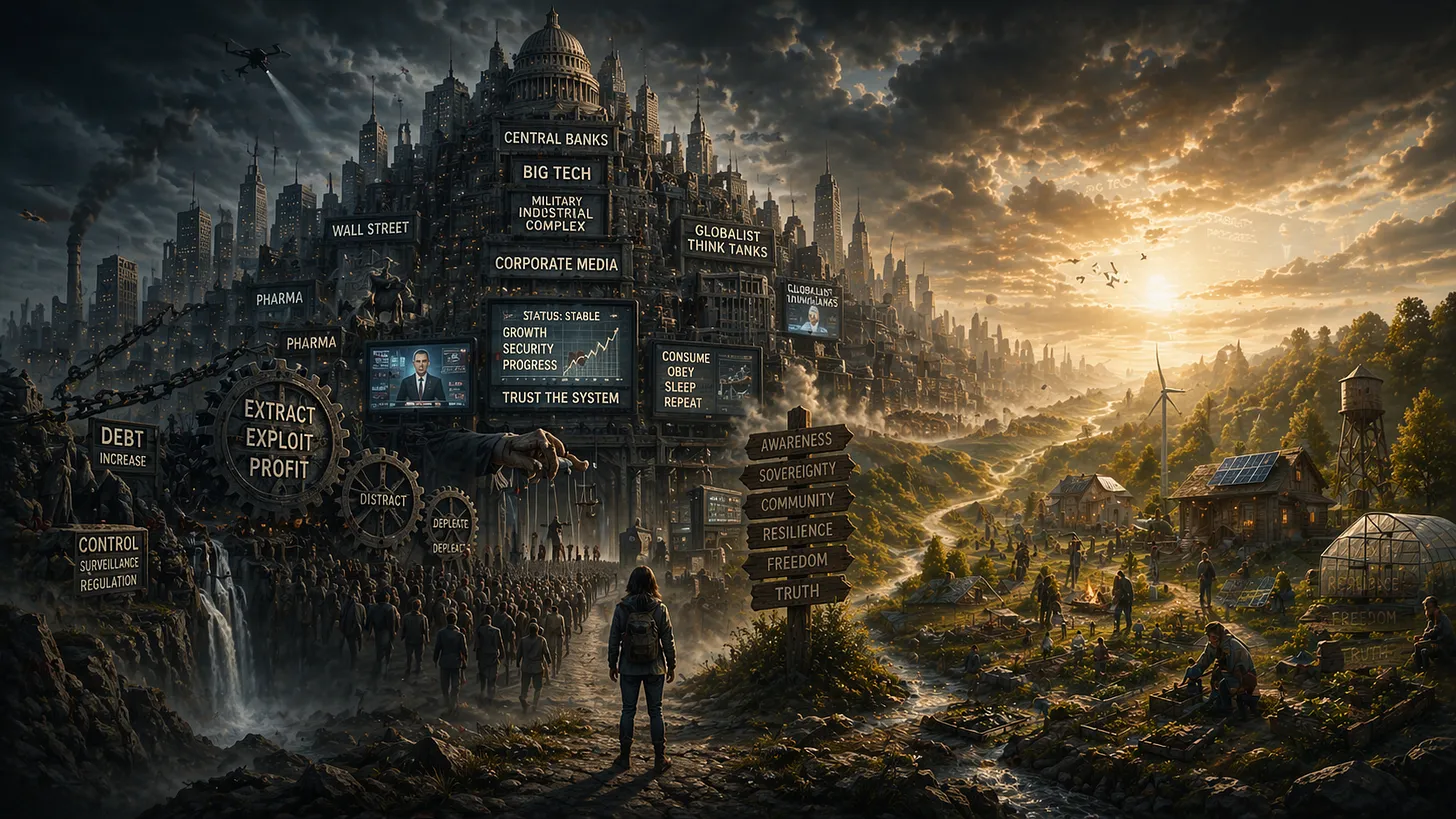
There is a peculiar tension in the air today. Beneath the language of progress, innovation, sustainability, and growth lies an increasingly difficult question to ignore: who, exactly, is benefiting? The systems that shape our daily lives seem larger, more sophisticated, and more interconnected than ever before, yet many people find themselves feeling less secure, less represented, and more dependent. Whether one views this as a temporary phase or evidence of something deeper unfolding, it has become difficult to overlook the widening gap between what institutions claim to serve and what they actually produce.

Mercantilism to Technocracy: Cycles of Power and Control

There’s a strange clarity that comes when one steps far enough back from the noise to observe the machinery itself. Not merely politics or economics in isolation, but the layered systems, narratives, incentives, and abstractions through which modern societies attempt to organize human life. We inherit these structures, participate in them, resist them, and are shaped by them in equal measure. Yet beneath the endless rhetoric and ideological branding remains a quieter and more enduring question: what kind of life is actually worth building, sustaining, and passing on?

The Shape of Modern Systems: Incentives and the Drift of Institutions

A recurring sense of tension sits just beneath the surface of modern systems, where scale and abstraction begin to blur the line between what is intentional and what simply emerges. The conversation moves through that threshold space where structure, incentive, and perception start to fold into one another, not as certainty, but as a pattern that keeps reappearing in different forms.