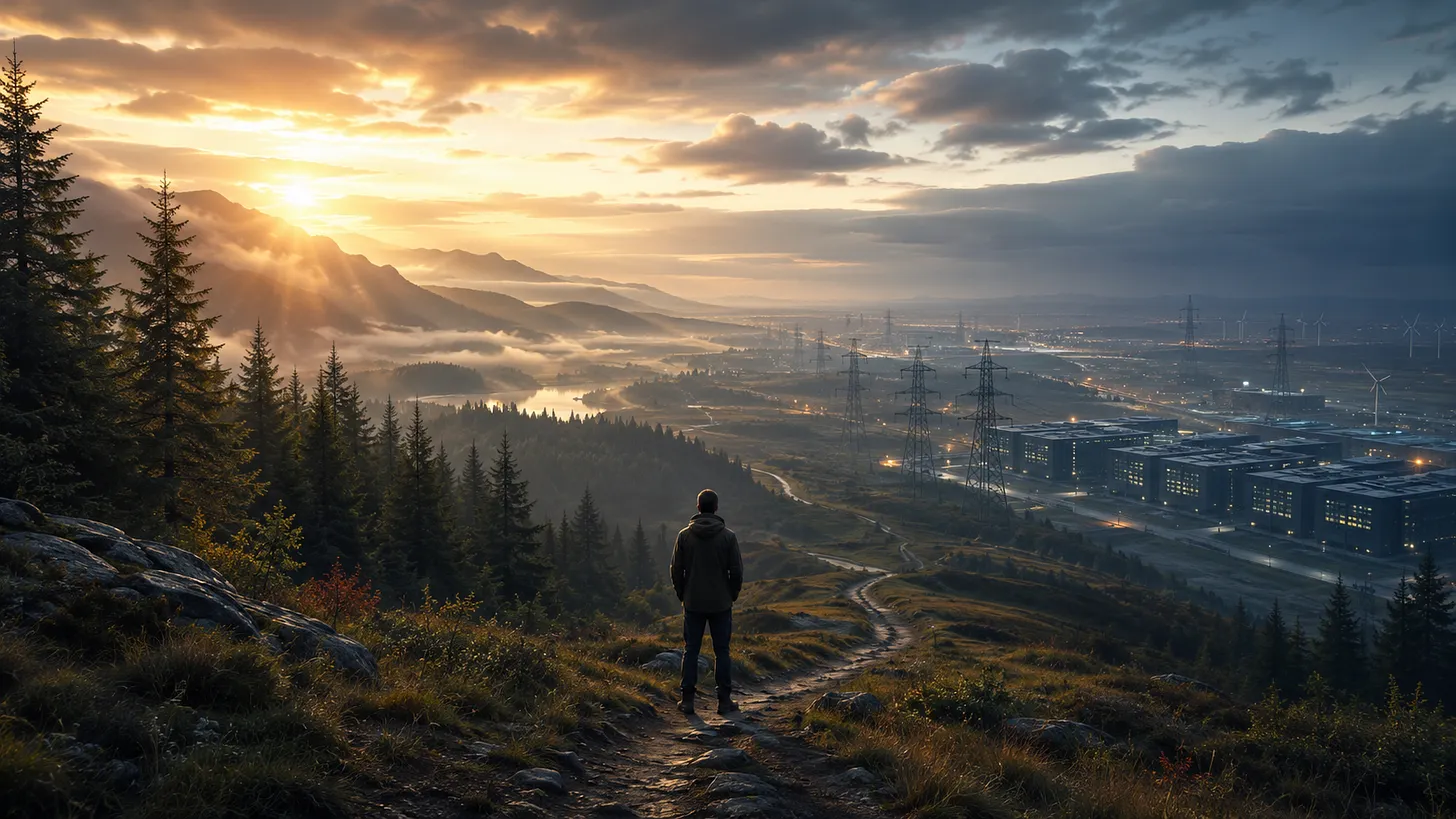
The pace of technological change has always outstripped our ability to understand its consequences. Today, however, the challenge feels different. We are no longer simply adapting to new tools; we are navigating a world increasingly shaped by narratives, algorithms, and systems that ask us to trust them before we’ve had time to question them. Whether that trust is well placed remains an open question, and perhaps that’s precisely where our attention belongs.
Tag: truth

Truth has an odd way of inviting us deeper while reminding us how little we actually know. Every answer seems to uncover another layer, another assumption, another blind spot masquerading as certainty. The more I investigate history, power, institutions, and the stories we inherit, the less interested I become in defending conclusions and the more interested I become in refining discernment. Perhaps that is where genuine inquiry begins.
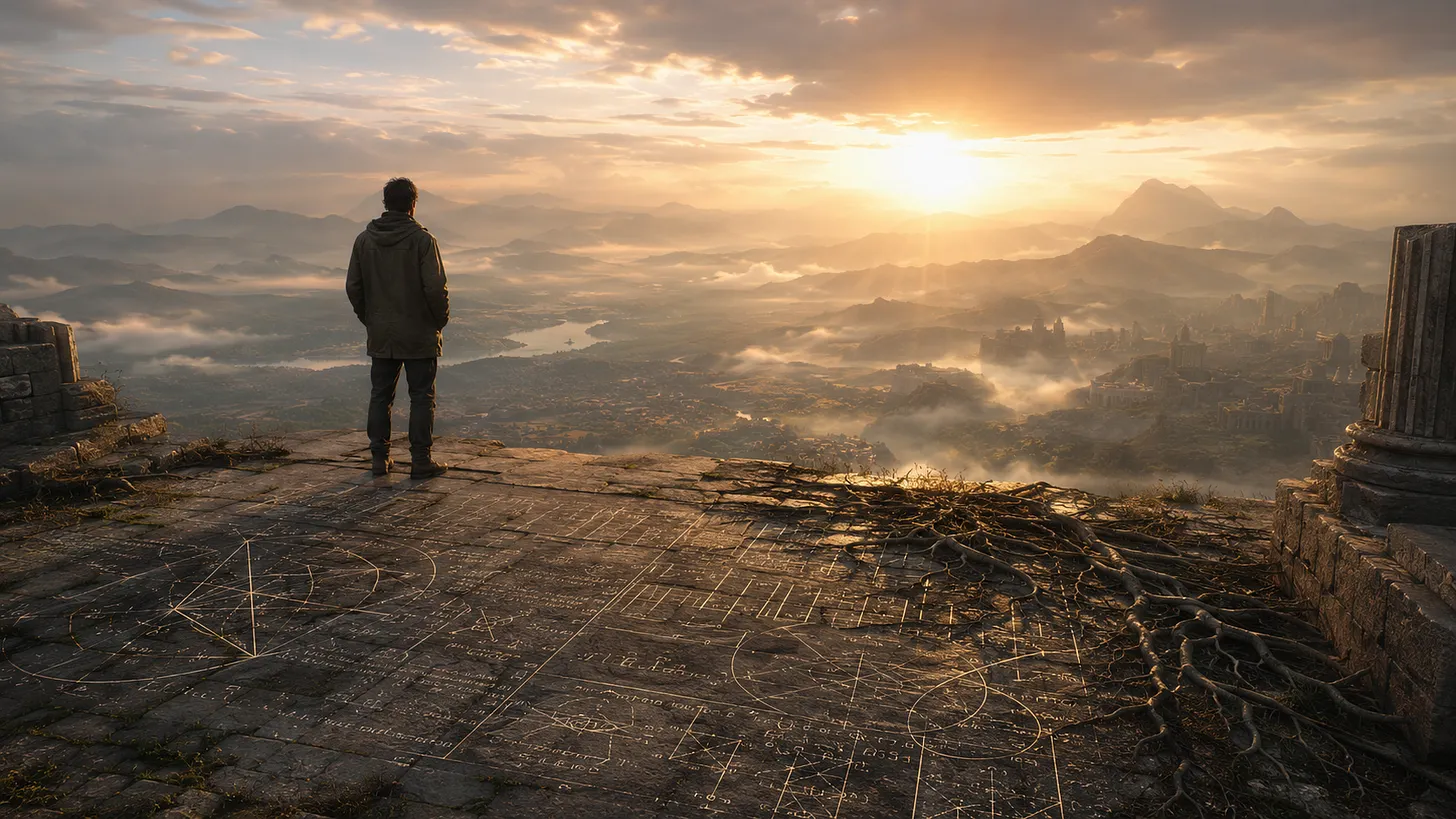
There comes a point in any search for truth where the questions become more important than the answers. Not because answers lack value, but because every answer seems to rest upon assumptions inherited from somewhere else. We build models, institutions, and entire civilizations atop foundations we rarely examine, then spend generations refining what may have begun with a misunderstanding. Whether one approaches this through science, philosophy, history, or simple observation, the challenge remains the same: to discern what is real amidst layers of narrative, ideology, and habit. This conversation explores that tension, not in pursuit of certainty, but in pursuit of a more honest relationship with reality itself.

You don’t fight to win. You fight to prevent the psychopaths from destroying everything they touch.
There’s a quiet tension that sits beneath the surface of how we move through the world — a subtle friction between what we’re told is true and what, at some deeper level, never quite settles. It’s not loud. It doesn’t announce itself. But it lingers in the background of our thoughts, in the spaces between decisions, in the feeling that something about the way we’ve come to understand ourselves doesn’t fully hold.