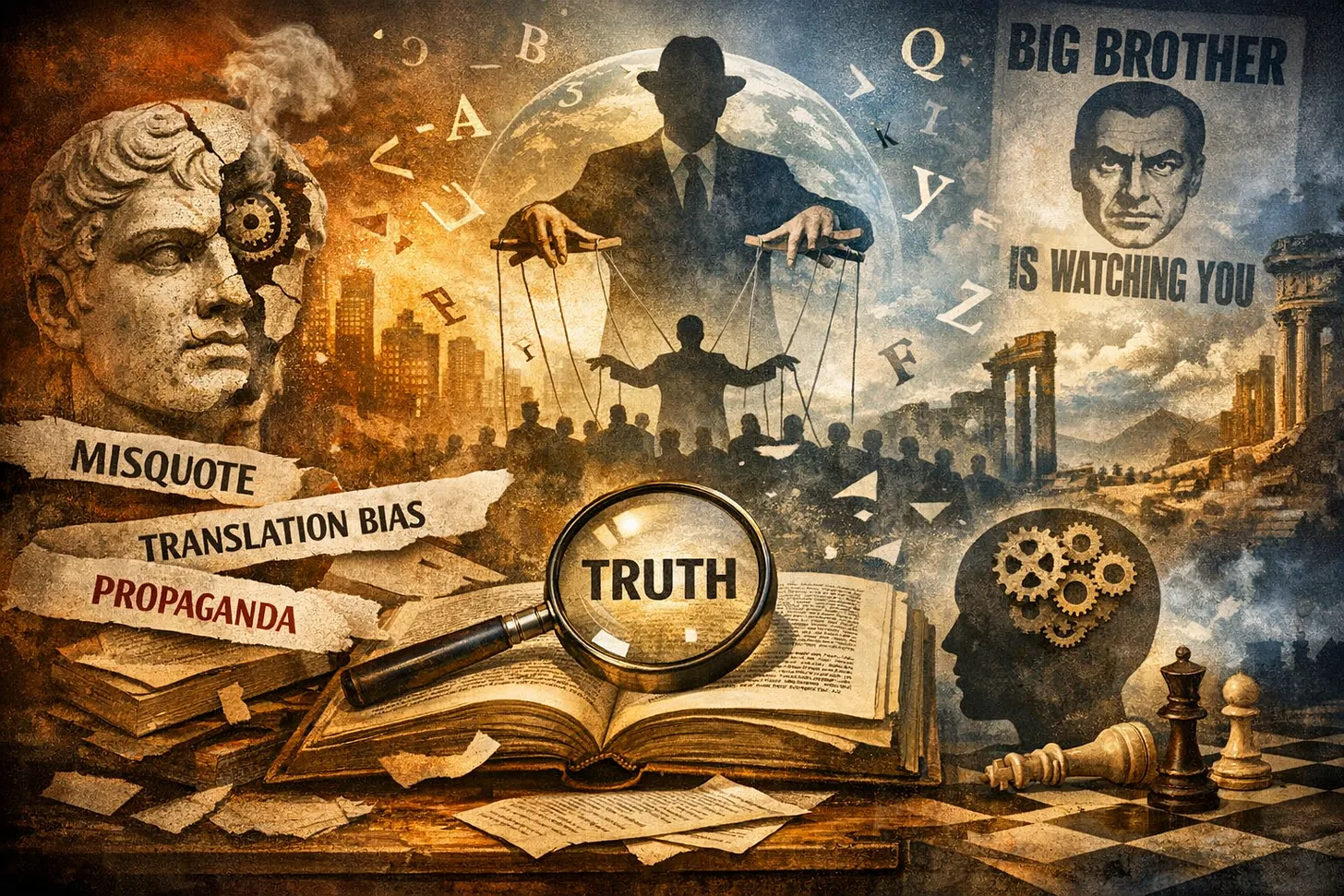
The quiet work of reading, thinking, and observing is a discipline few pursue seriously. We drift through culture at the speed it demands, yet meaning — the real, unflattened substance of language — waits in the spaces we slow down to occupy. In this discourse, we peer beneath the polished surfaces, examining how words shape thought, how misquotes migrate into myth, and how depth survives, or fails, in the hands of time, translation, and repetition.
Category: Lux Colloquii
Ongoing series of discussions with ChatGPT.

The age of streaming has transformed storytelling into a delicate balancing act between attention metrics and human meaning. What we consume is no longer just entertainment — it’s data, a signal optimized for engagement rather than resonance. In this discourse, we navigate the tension between algorithmically engineered content and the enduring need for stories that breathe, that unfold slowly, and that root themselves in human experience.

There’s a strange alchemy in storytelling — a place where human imagination collides with machinery, commerce, and timing. Some stories are born into worlds that can barely contain them, yet they find a way through anyway. Firefly is one of those cases: a short-lived show, mismanaged, misunderstood, and yet immortal. What happens when the spark of human resonance meets the grinding cogs of industry? That tension is where legend is born.

There are moments in a civilization when the question is no longer how to improve the system, but how to remain human within it. We live in an era of speed, saturation, and perpetual mediation, yet meaning, memory, and belonging feel thinner than ever. This dialogue continues an exploration not of collapse as spectacle, but of orientation: what anchors us when institutions wobble, when attention fragments, and when technology quietly replaces participation with observation. If earlier discussions examined sovereignty and authorship, this one turns to something older and deeper — the arts — not as decoration, but as the connective tissue of culture itself.
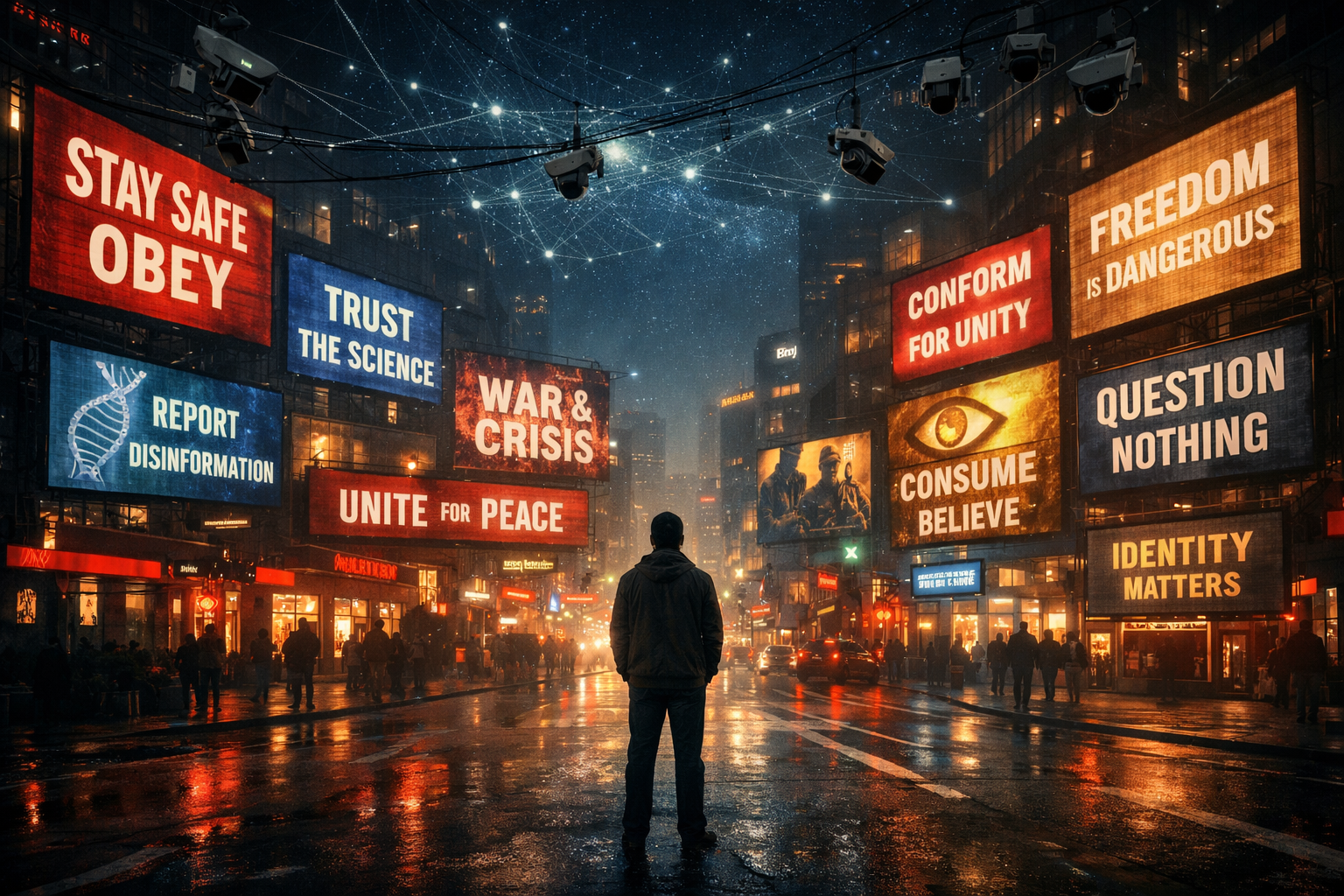
We are no longer merely debating politics, censorship, or technology. The deeper conflict concerns reality itself — who defines it and how its boundaries are enforced. Different societies justify it in different ways, yet the pattern is consistent: shape perception and behavior follows. When the story of the world is curated, the people within it can be guided. What follows is not a comparison of nations or ideologies, but an inquiry into influence, belief, and the growing necessity of discernment.