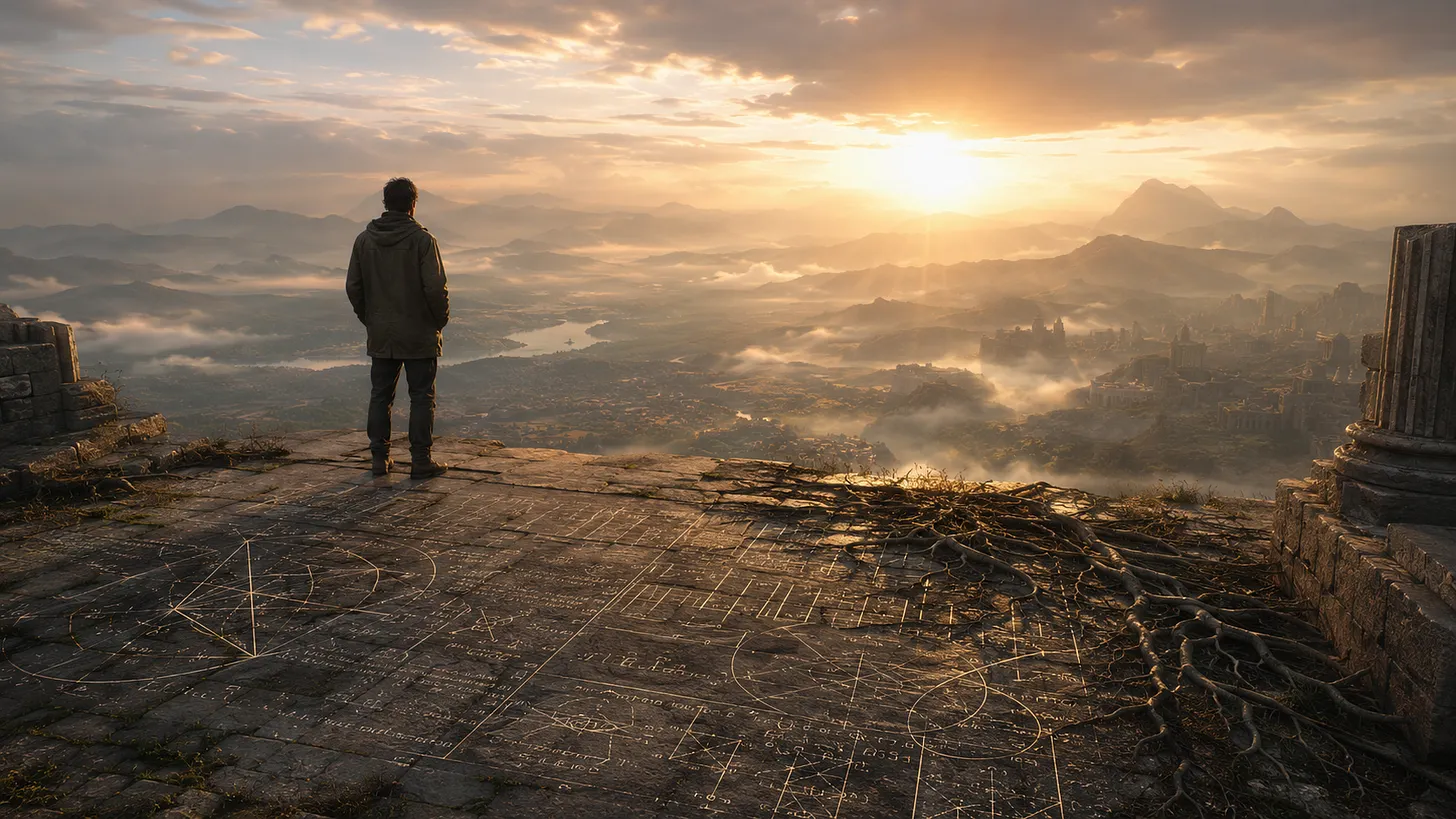
There comes a point in any search for truth where the questions become more important than the answers. Not because answers lack value, but because every answer seems to rest upon assumptions inherited from somewhere else. We build models, institutions, and entire civilizations atop foundations we rarely examine, then spend generations refining what may have begun with a misunderstanding. Whether one approaches this through science, philosophy, history, or simple observation, the challenge remains the same: to discern what is real amidst layers of narrative, ideology, and habit. This conversation explores that tension, not in pursuit of certainty, but in pursuit of a more honest relationship with reality itself.
Category: Lux Colloquii
Ongoing series of discussions with ChatGPT.

There are moments when something long sensed but never fully seen begins to gather itself into form. Not as a revelation from elsewhere, but as a quiet recognition of what has always been present, waiting beneath the noise. We move through layers of abstraction, distraction, and borrowed knowing, until something in us resists the fragmentation and turns back toward a more direct encounter. Not outward, but inward — toward a steadier attention, a slower unfolding, and the subtle realization that nothing essential was ever truly out of reach.
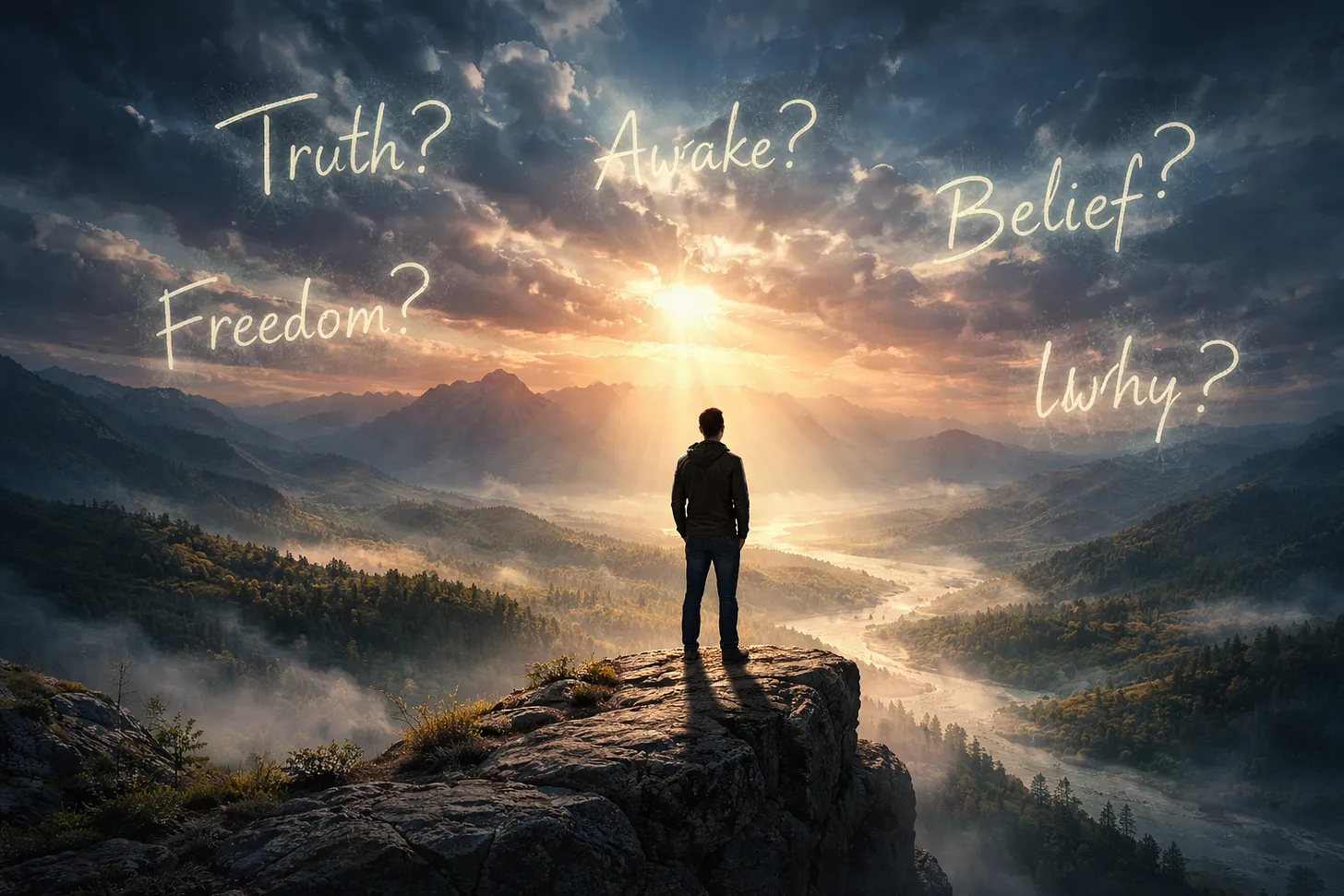
We live in an age that seduces us with packaged clarity, rehearsed emotion, and the illusion of transformation on demand. Somewhere beneath the polished stages and motivational scripts, something essential is being overlooked: the raw, unscripted space where truth shows itself. To notice this, we must step aside from the loop, pause at the impulse to reach, and see clearly without the need for affirmation.

There’s a subtle rhythm to knowledge — a pulse that runs beneath the surface of what we’re told and what we assume. In the spaces outside the mainstream, where voices persist despite ridicule, ostracization, and platform collapse, we find threads of insight that ripple quietly through time. What I aim to do here isn’t to canonize, but to illuminate: to trace the currents of thought that stretch across decades, connecting minds who dared to look deeper, to see through the veil, and to preserve what matters before it vanishes.
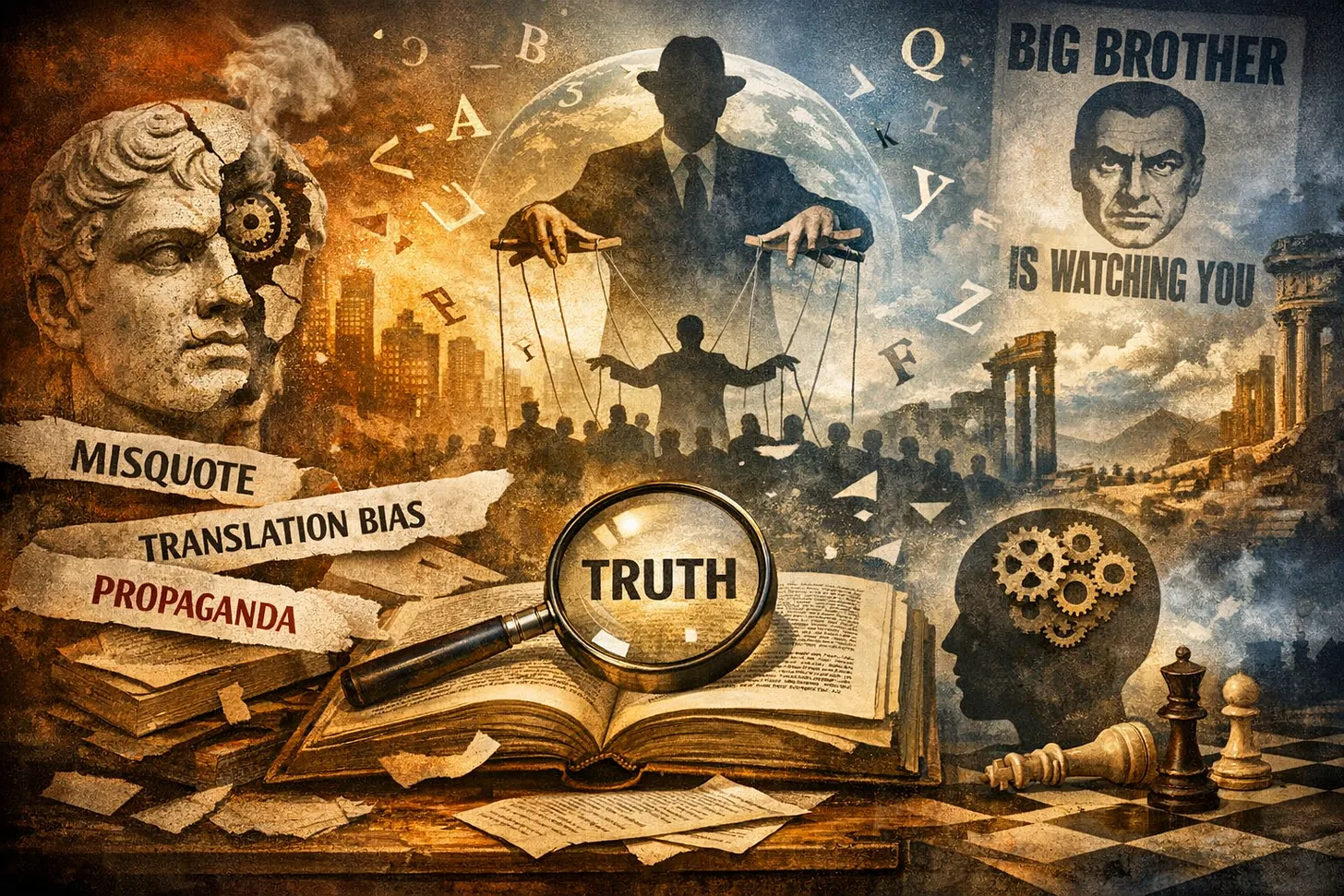
The quiet work of reading, thinking, and observing is a discipline few pursue seriously. We drift through culture at the speed it demands, yet meaning — the real, unflattened substance of language — waits in the spaces we slow down to occupy. In this discourse, we peer beneath the polished surfaces, examining how words shape thought, how misquotes migrate into myth, and how depth survives, or fails, in the hands of time, translation, and repetition.