Skip to content

Tag: governance

Immorality as Infrastructure

There is a growing inability, or perhaps unwillingness, to recognize how deeply modern culture shapes the moral and psychological condition of society. Most people move within systems they neither question nor fully perceive, absorbing values, incentives, behaviors, and narratives as though they emerged naturally rather than being carefully cultivated through institutions, markets, media, and governance itself. Yet beneath the spectacle of progress, inclusion, convenience, and endless consumption lies a deeper erosion, one that gradually disconnects human beings from responsibility, discernment, self-reliance, and ultimately from what is real and true.

Property, Law, and Perceived Legitimacy: The Quiet Tension of Property Tax

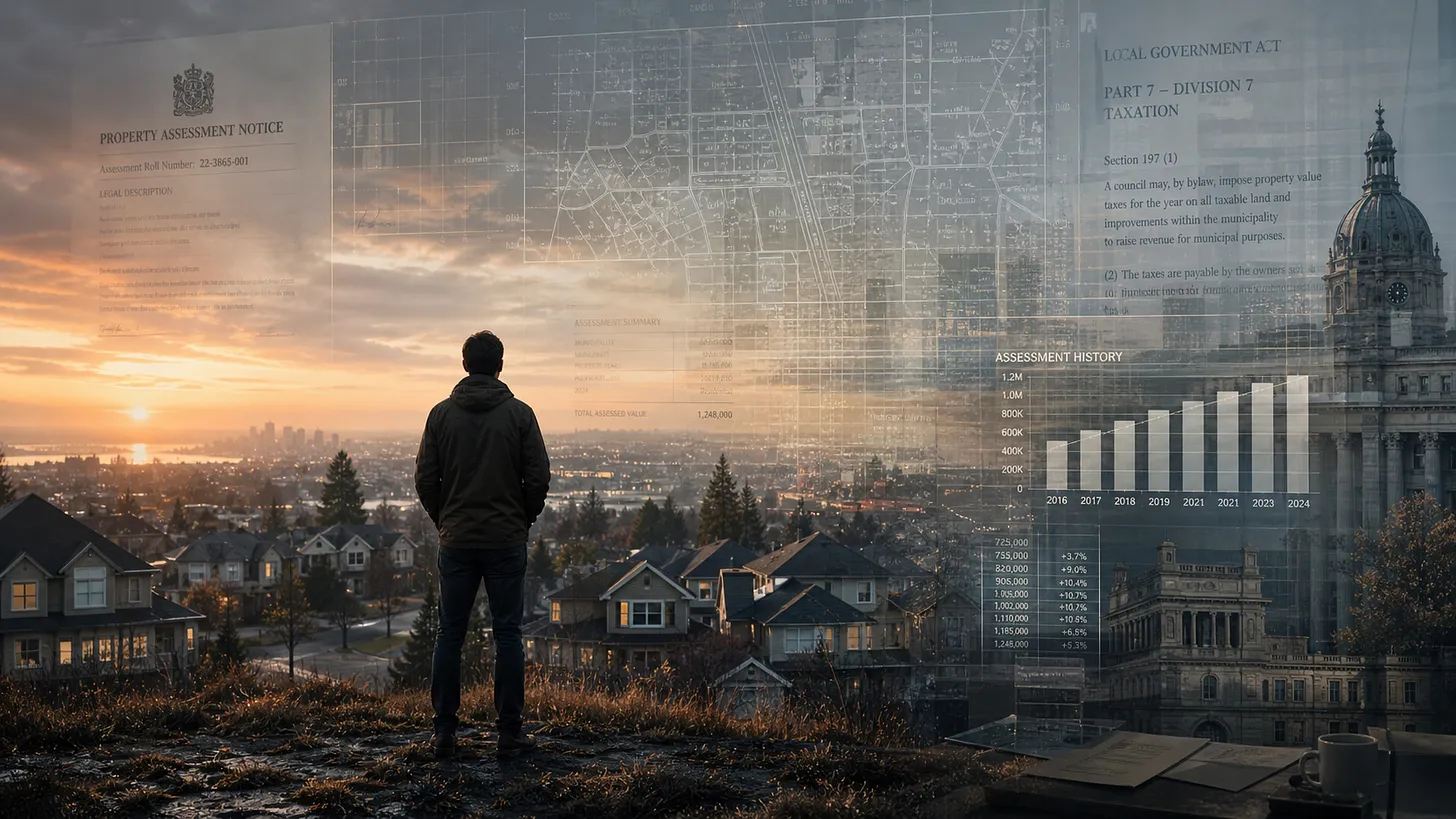
There’s a particular tension that arises when everyday structures, in this case taxation, begin to feel both invisible and unavoidable, as though they’ve grown around the edges of ordinary life without ever being fully examined. Property, law, obligation, and consent blur together in that space where most people are simply trying to live without friction. It’s here that questions about legitimacy, fairness, and participation begin to surface, not as abstractions, but as lived pressure felt through systems that rarely pause to explain themselves.

The Shape of Modern Systems: Incentives and the Drift of Institutions

A recurring sense of tension sits just beneath the surface of modern systems, where scale and abstraction begin to blur the line between what is intentional and what simply emerges. The conversation moves through that threshold space where structure, incentive, and perception start to fold into one another, not as certainty, but as a pattern that keeps reappearing in different forms.