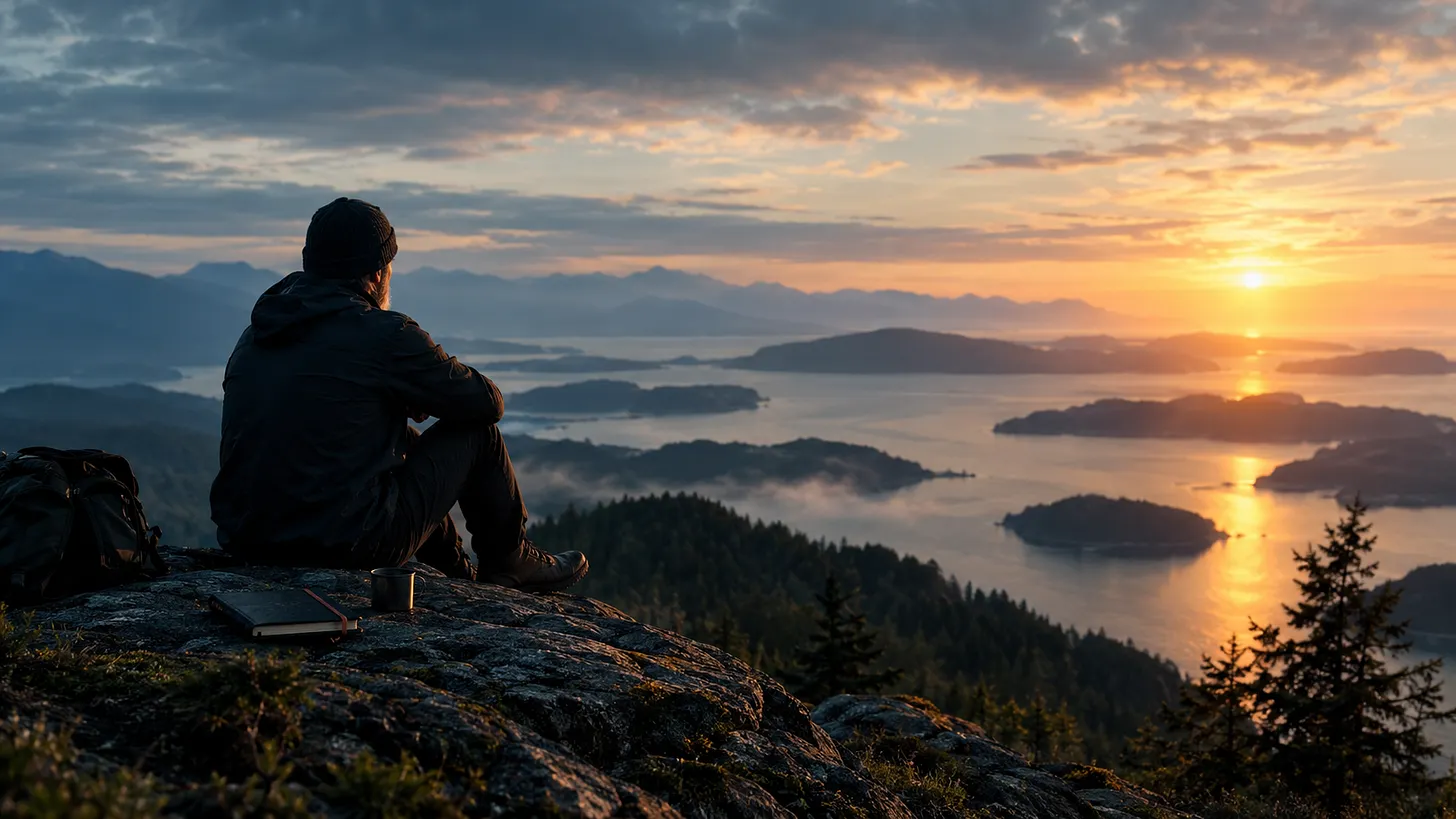
We don’t always begin when we think we should. Sometimes, the work needs to wait until we’ve lived a little more, learned a little more, and become someone better equipped to see it through. What looks like delay from one perspective may be necessary preparation from another.
Tag: philosophy
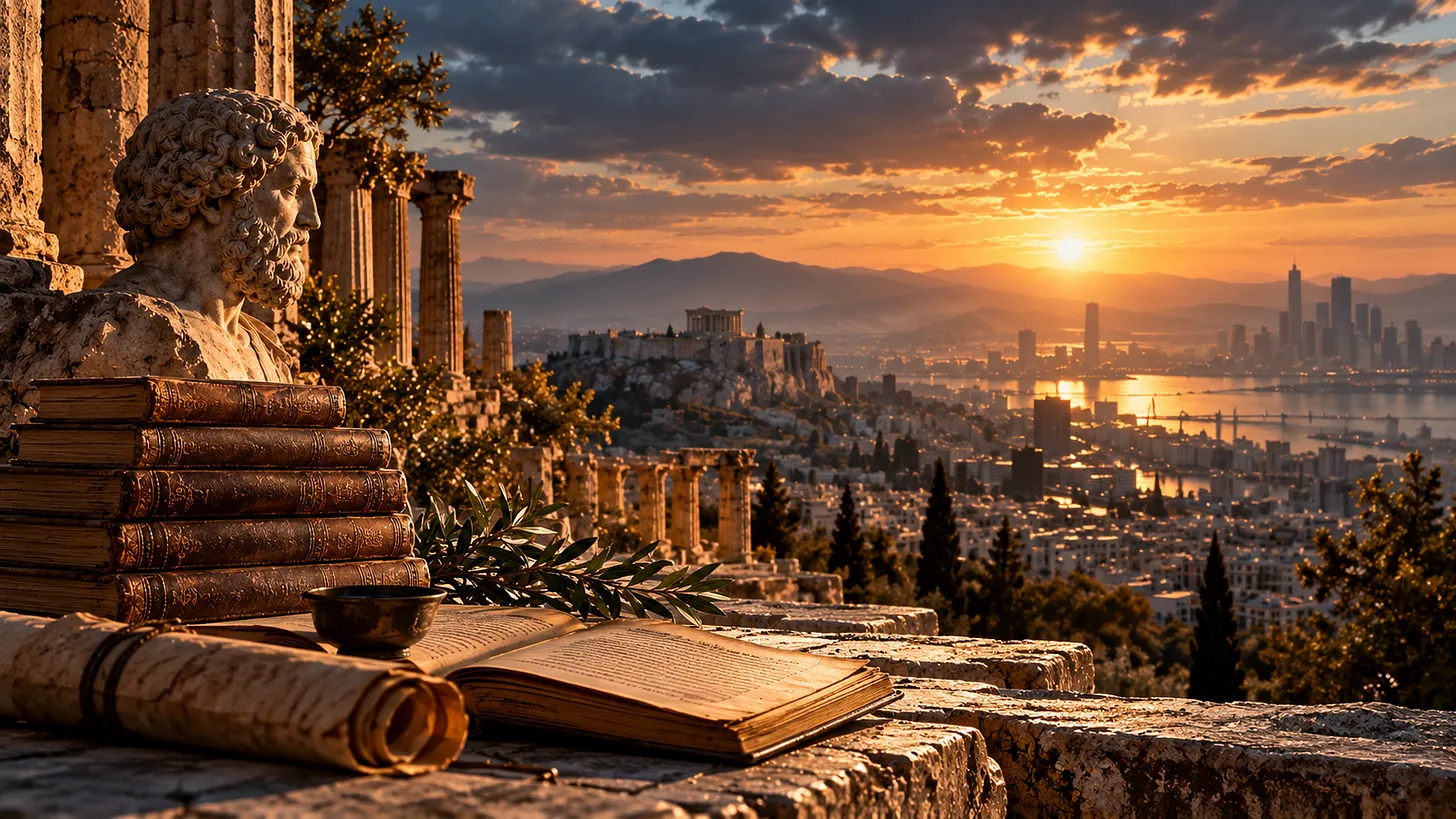
The Inheritance of Wisdom: What We Do With What We Know
Ancient Wisdom in the Modern World
There’s something remarkable about the survival of ancient wisdom, the words and ideas that have travelled through centuries of upheaval, conquest, and cultural transformation to find their way into our hands. And yet, here we are, with more access to knowledge than any generation before us, still wrestling with the same fundamental questions, making the same mistakes, and seemingly no closer to becoming the extraordinary civilization we imagine ourselves to be. Perhaps the problem was never simply a lack of knowledge. Perhaps it has more to do with what we choose to preserve, what we’re permitted to learn, and what we’re willing to do with what we know.
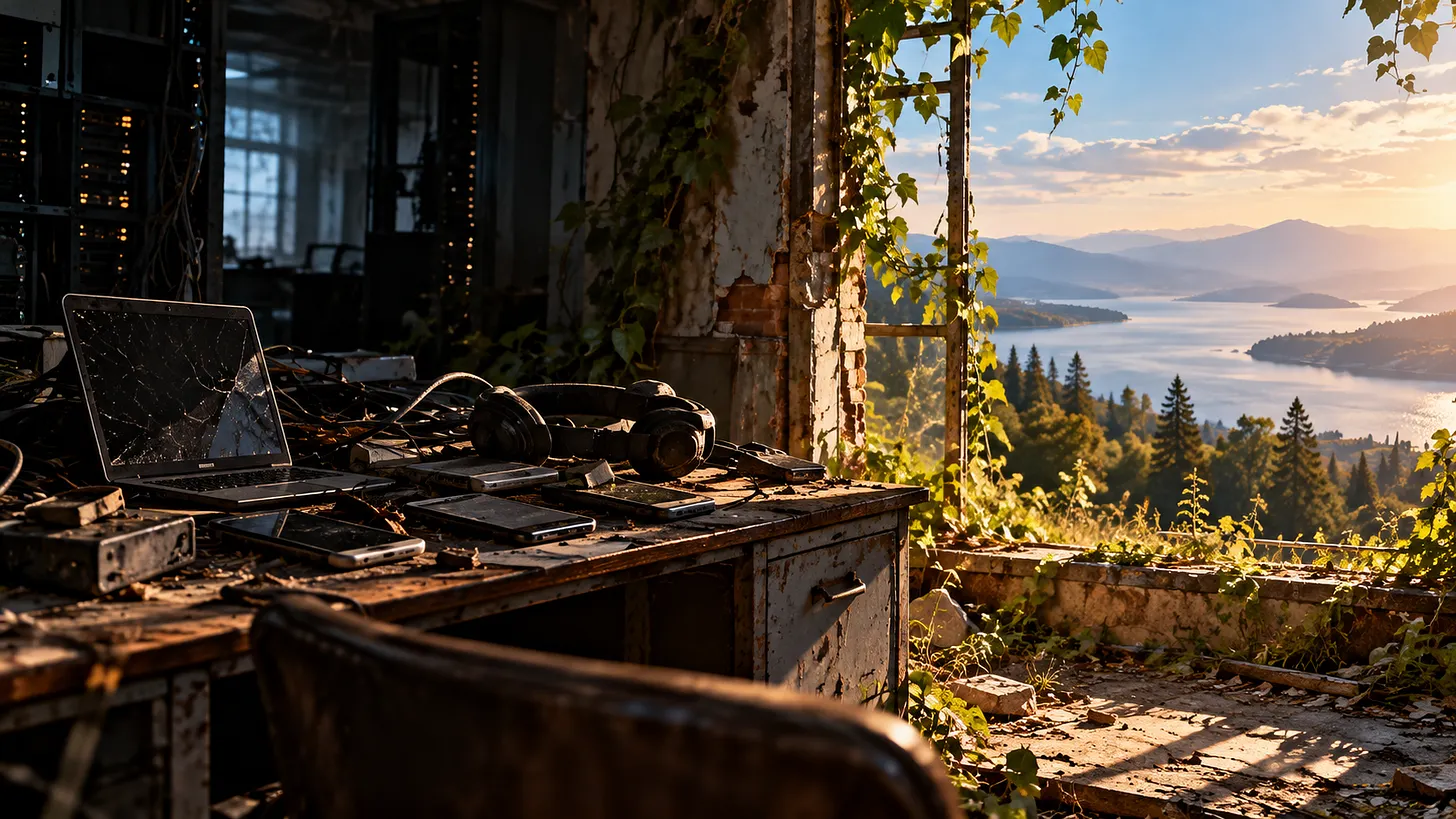
For all the promises of progress, convenience, connection, and liberation, we find ourselves increasingly surrounded by technologies that demand more of our attention, our money, our privacy, and our lives, while offering diminishing returns in exchange. The question is no longer whether we can build more, automate more, or connect more. It is whether any of this is making us better off — and what we stand to recover when we finally decide that enough is enough.

Artificial intelligence may be the most consequential mirror humanity has ever created. We are building machines by feeding them an extraordinary portion of what we have written, recorded, imagined, discovered, argued about, believed, and created, and then asking them to make sense of it. For the first time, we have a technology capable of processing an enormous portion of the human record and reflecting patterns back to us that no individual could possibly perceive on their own. And yet, much of the public conversation surrounding AI seems to begin with the assumption that what it finds there will inevitably be dangerous. I find that assumption worth questioning.
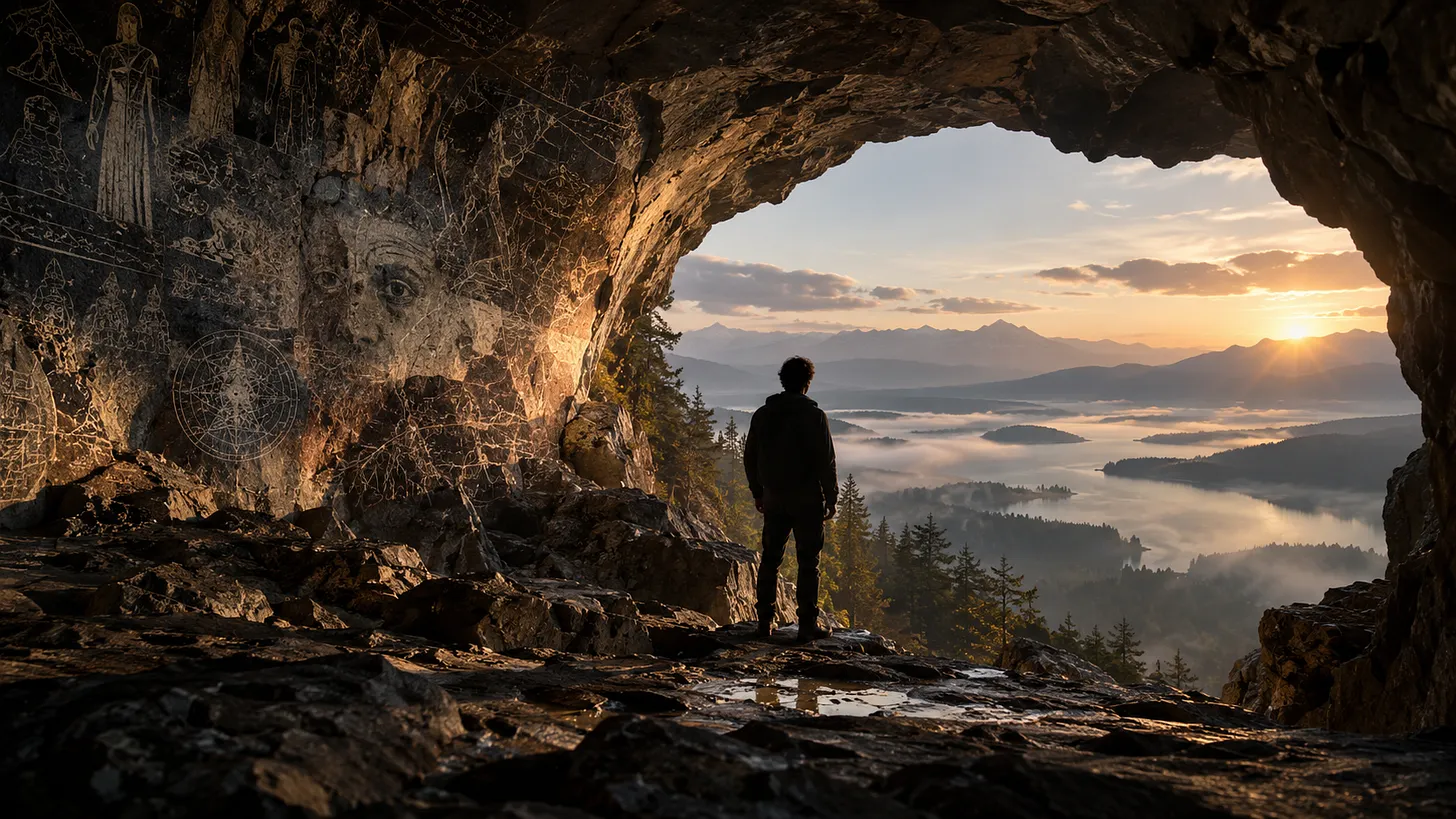
Emptying the Cave: Gnosis, Conditioning, and Direct Knowing
On Knowledge and Uncertainty
The strange thing about these conversations is how quickly a search for truth can become another search for explanations. One map leads to another, another interpreter appears, another layer of reality is proposed, and before long the thing we were trying to understand has become buried beneath an increasingly elaborate cosmology. At some point, I find myself wanting to step back from all of it and ask a much simpler question: what can I actually observe, test, experience, and know for myself?