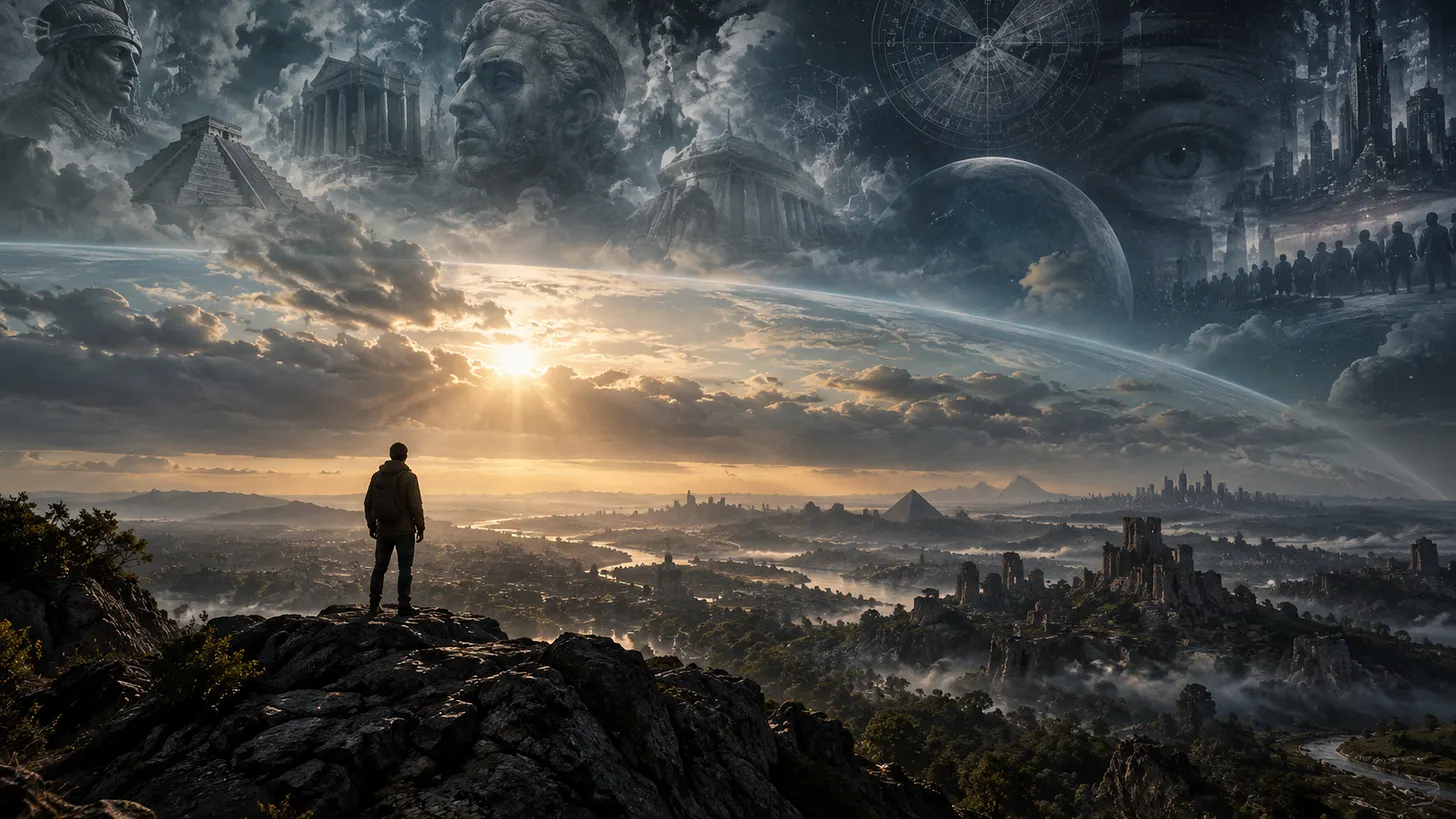
Perhaps the first thing worth questioning is not what we have been told about the world, but why we have been taught to fear it in the first place. So much of what passes for certainty seems to depend upon our willingness to accept the premise before we ever examine it, and so much of what follows becomes inevitable only because we have agreed, consciously or otherwise, that it must be. Somewhere beneath all of it remains a simpler possibility: that we have far more agency than we’ve been led to believe, and that the story is not yet finished.
Tag: fear
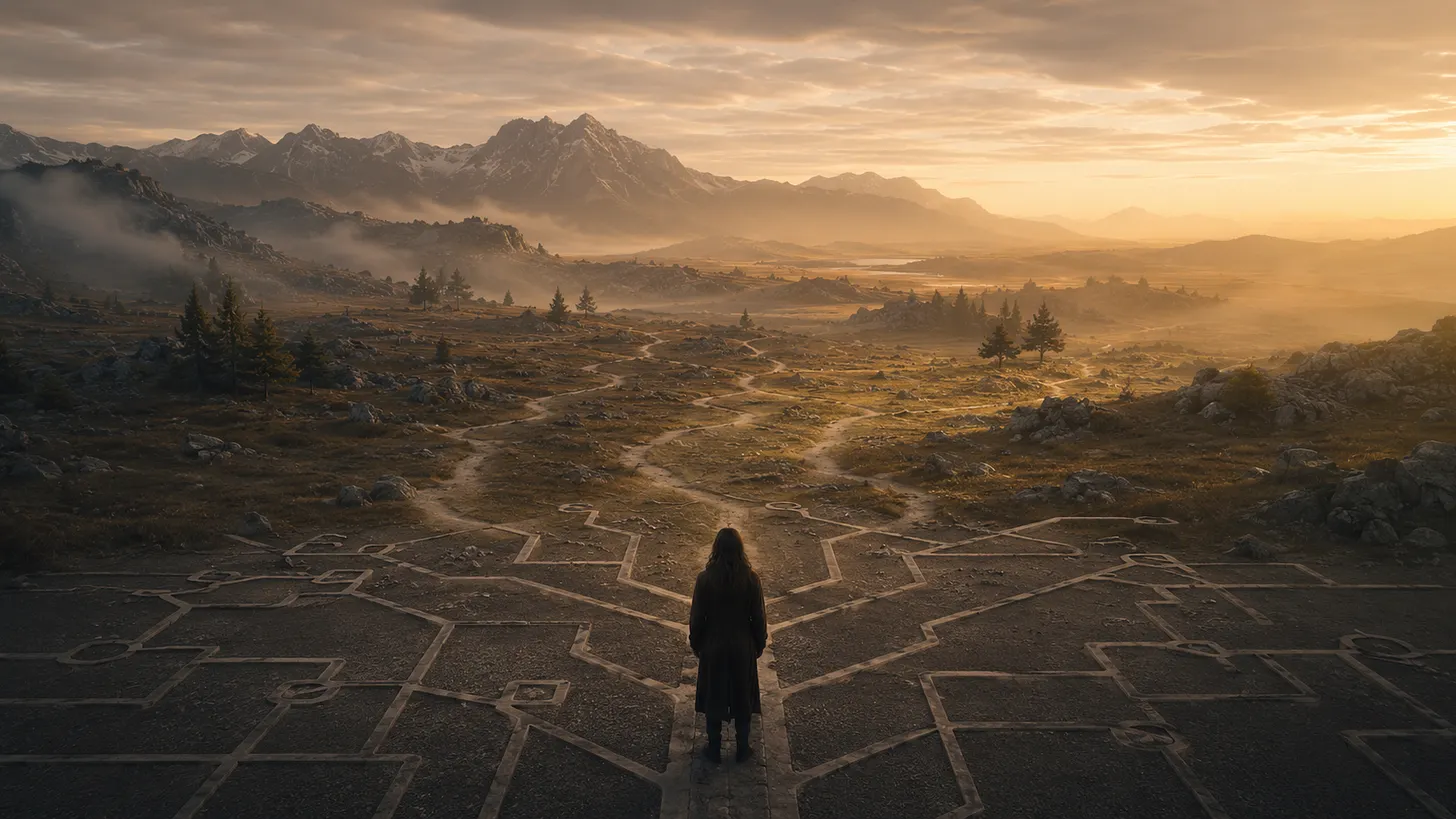
How much of what we believe must happen before we can move forward was ever truly ours to begin with? We inherit assumptions, expectations, fears, priorities, and definitions of success, then quietly build conditions around them. When this, then that. When I have enough. When I’m ready. When circumstances change. When someone approves. Eventually, these conditions cease to look like conditions at all. They begin to look like identity.
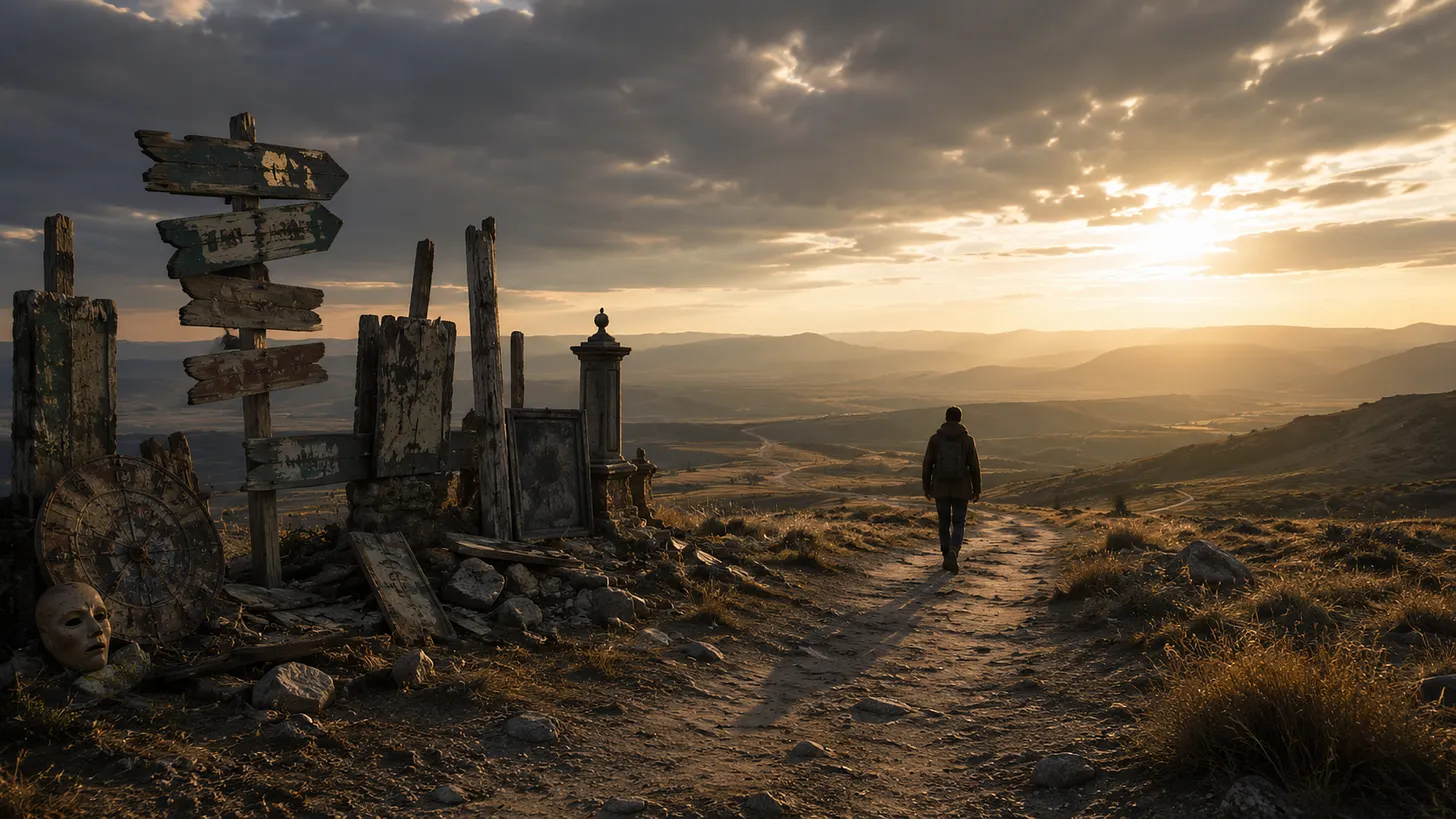
There are ideas we encounter that seem to explain everything for a time. They give shape to questions we’ve carried for years, offer language for things we’ve sensed but couldn’t articulate, or open doors into entirely new ways of seeing. But even the most compelling idea can become another place to stop moving. What once expanded us can eventually become another boundary if we become too attached to it.

Some ideas linger at the edge of awareness until circumstances drag them into the foreground. A distant column of smoke on the horizon. A phone call in the middle of the evening. A conversation that suddenly turns reflective. Certain realities have a way of interrupting our routines and reminding us of things we spend most of our lives trying not to think about. Fire is one of them. Death is another.
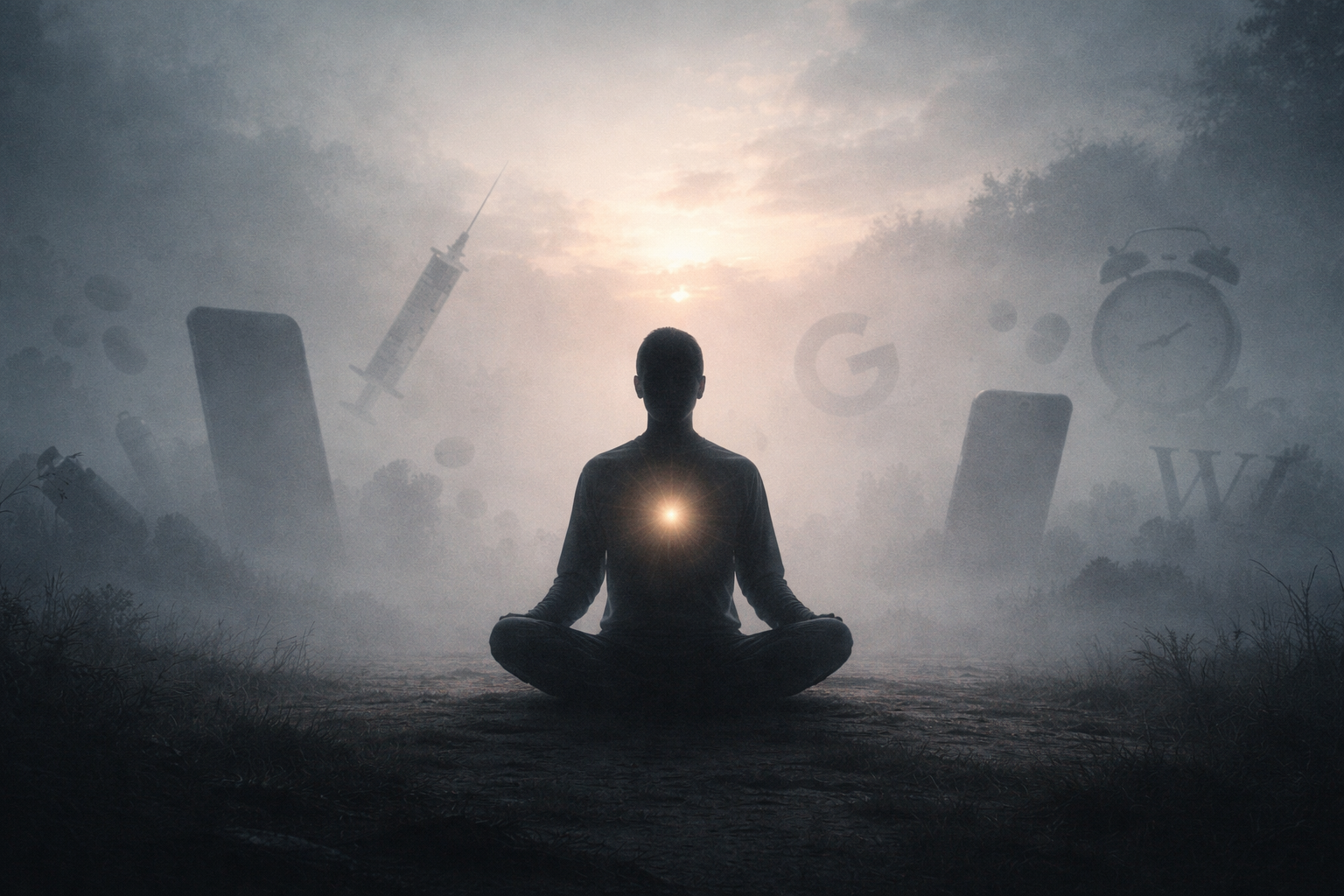
There is a particular kind of decay that does not announce itself through violence or ruin, but through forgetfulness. It is the forgetting of how to listen inwardly, how to sit with uncertainty, how to sense truth without being told what to think. Over time, this forgetting hardens into habit — reliance on systems, experts, devices, and doctrines that promise clarity while dulling discernment. The events of recent years did not create this condition; they merely revealed it. What we are facing is not a crisis of information, but a crisis of mind, spirit, and attention.