Somewhere along the way, “truth-seeking” on the internet became its own strange ecosystem, complete with its own language, symbols, authorities, personalities, and recurring narratives. What begins as a reasonable question can quickly become something much harder to disentangle, particularly when genuine facts are mixed with speculation, technical language, and claims that seem to explain everything at once. This discussion started with one such story and ended somewhere considerably more interesting.
Tag: media literacy
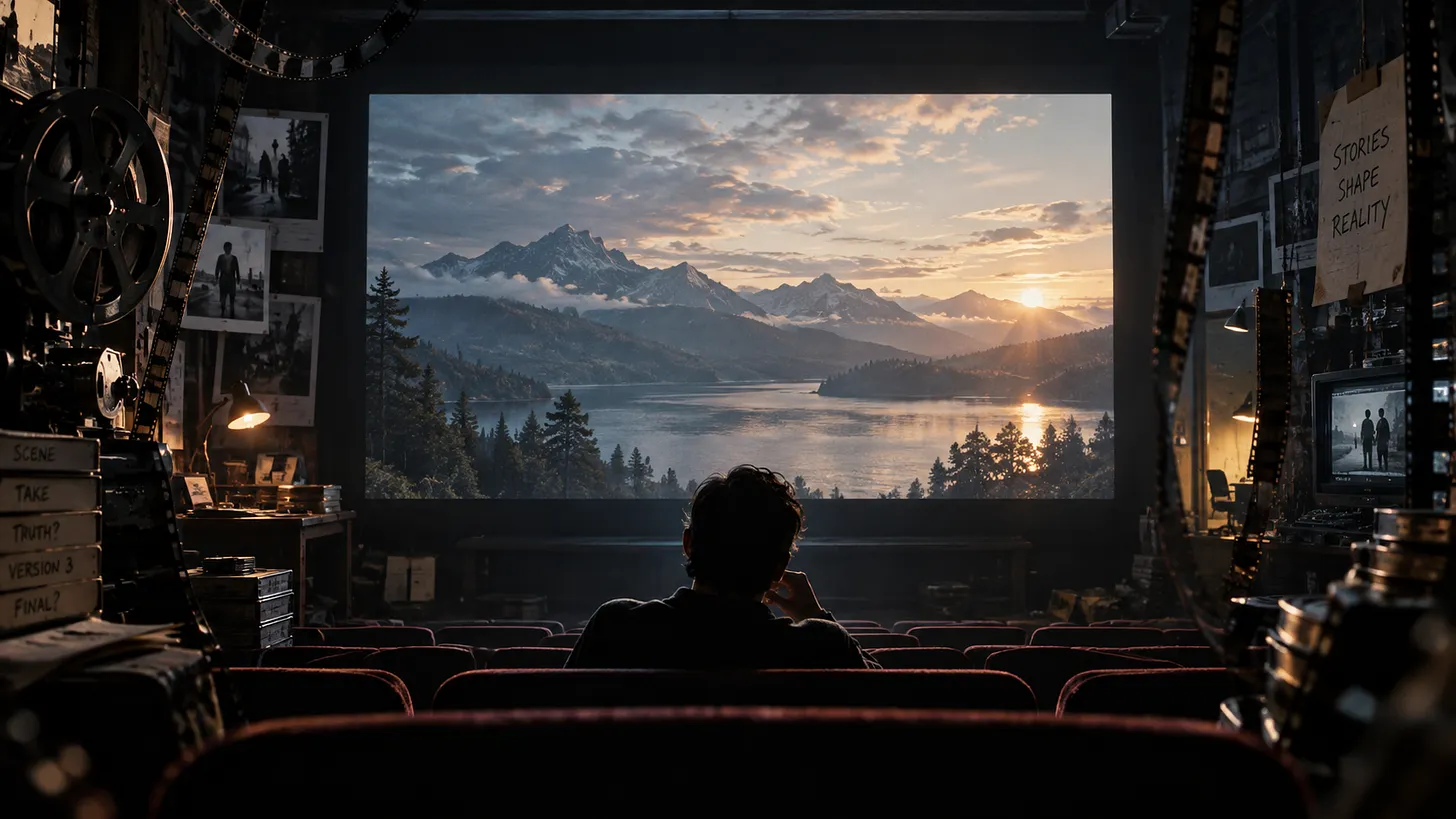
Film: Entrainment and the Moving Image
The deeper I get into these questions, the less interested I become in identifying a single person, institution, or hidden hand behind them. The more interesting thing, to me, is the machinery itself: the stories we inherit, the images we absorb, the things we are repeatedly shown, and the things that quietly disappear outside the frame. Somewhere in all of that is the question of how much of what we call our own perception has actually been shaped for us.
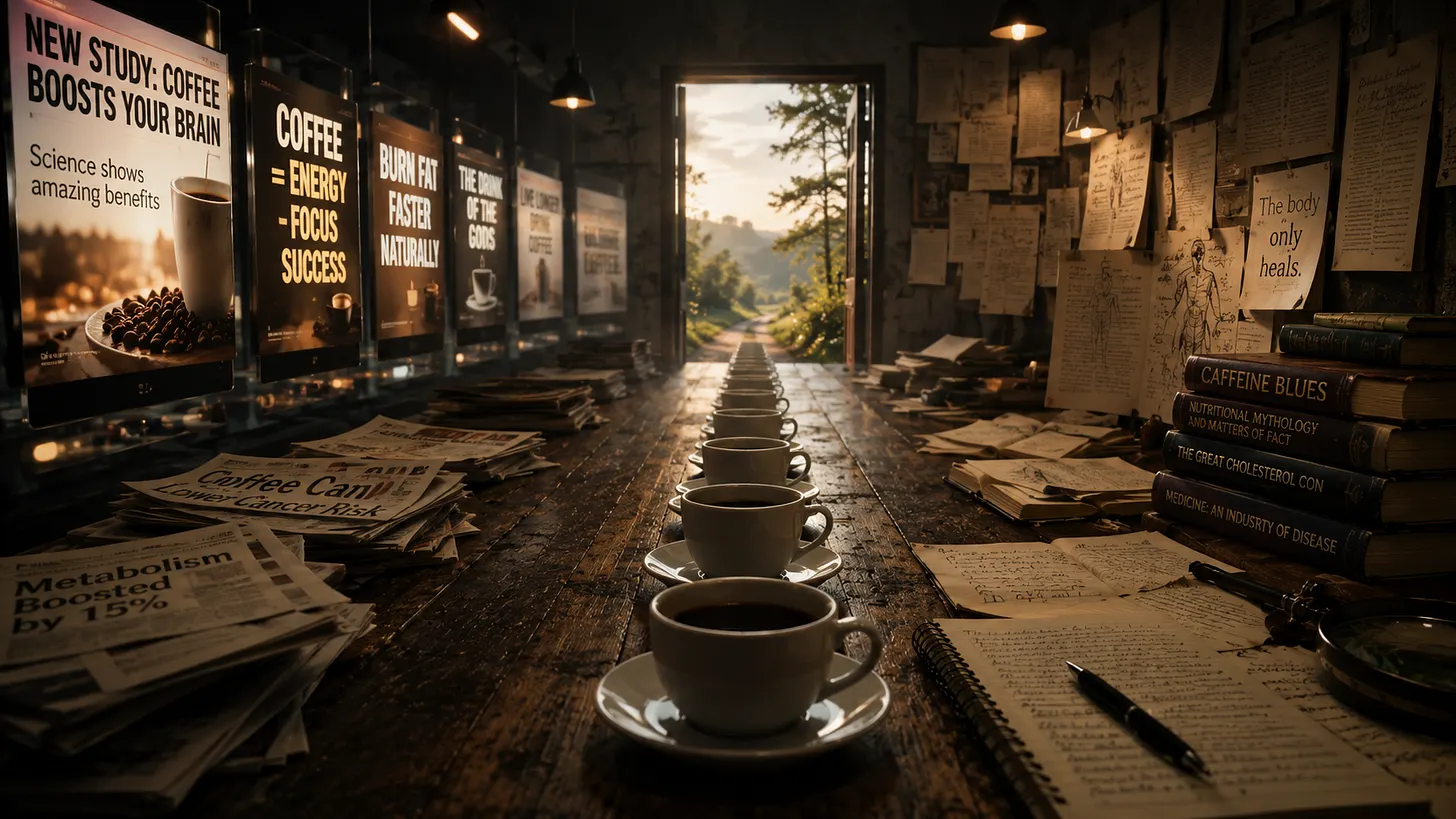
The Daily Cup: Health, Habit, and Hidden Assumptions
There are few substances as culturally protected as coffee. It has become so deeply embedded in daily life that questioning it is often treated as questioning common sense itself. Yet familiarity has never been a reliable measure of truth. Whether viewed through the lens of physiology, commerce, habit, or personal experience, coffee invites a conversation that extends far beyond the contents of the cup. What follows is one such exchange, grounded less in defending conclusions than in examining assumptions.
Beyond the Earthquake: Truth, Power, and Perception
Every event carries more than its immediate consequences. Beyond the headlines, casualty counts, and official statements lies another layer of inquiry, one concerned less with certainty than with the frameworks through which we arrive at it. Whether the subject is a natural disaster, a political crisis, or a cultural moment, what we choose to believe often reveals as much about ourselves as it does the event before us. This conversation unfolded within that tension, exploring not only what happened, but how we decide what is true in the first place.
Recovering Inner Authority: Discernment in the Age of AI
The pace of technological change has always outstripped our ability to understand its consequences. Today, however, the challenge feels different. We are no longer simply adapting to new tools; we are navigating a world increasingly shaped by narratives, algorithms, and systems that ask us to trust them before we’ve had time to question them. Whether that trust is well placed remains an open question, and perhaps that’s precisely where our attention belongs.