Skip to content

Tag: philanthropy

You Cannot Redistribute Wisdom: The Human Problems Behind Economic Inequality

Wealth, Philanthropy, and Institutional Power

There’s no shortage of people willing to tell us what’s wrong with the world, who’s responsible, and what should be done about it. Economic inequality, wealth accumulation, philanthropy, and the familiar refrain that we should simply tax the rich are recurring subjects, often presented with a degree of moral certainty that leaves little room for meaningful examination. But beneath these arguments are some rather fundamental questions about human nature, personal responsibility, individual freedom, and the institutions we trust to manage our affairs. Perhaps it’s time we looked beyond the slogans and considered what we’re actually trying to accomplish.

Libraries, Legacy, and Memory: Reflections on History and Influence

Institutions, Elites, and the Search for Truth

Truth has an odd way of inviting us deeper while reminding us how little we actually know. Every answer seems to uncover another layer, another assumption, another blind spot masquerading as certainty. The more I investigate history, power, institutions, and the stories we inherit, the less interested I become in defending conclusions and the more interested I become in refining discernment. Perhaps that is where genuine inquiry begins.

The Illusion of Solving Poverty: Batman and the Myth of Philanthropy

Modern society clings to the belief that money can solve anything — that if only the wealthy shared their abundance, poverty and crime would vanish. It’s an appealing notion, simple and comforting, but also profoundly deceptive. For beneath every call for charity lies a deeper design: a world engineered to keep people dependent, distracted, and divided, while power remains untouched.

Disaster Capitalism and the NGO-Industrial Complex: Unveiling the Real Costs of Aid

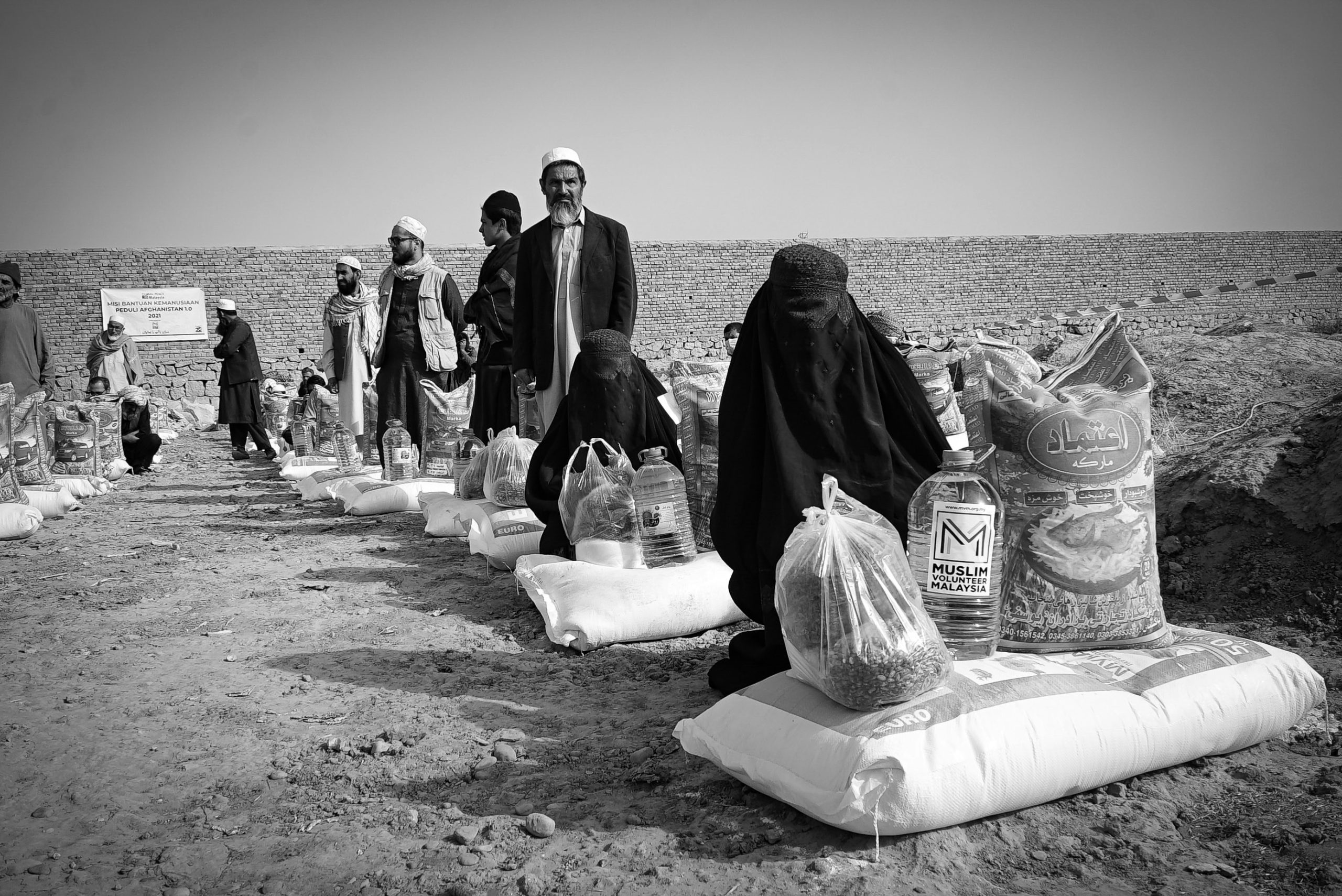
In an age where global humanitarian aid and charity organizations are often seen as symbols of altruism and compassion, there lies an undercurrent of skepticism and concern. The immense power, influence, and financial resources wielded by foundations, NGOs, and other relief entities have sparked growing questions about transparency, accountability, and ulterior motives. Beneath the surface of well-publicized philanthropic efforts, there may be agendas driven by financial gain, political control, and even social engineering. This conversation delves into the complexities of these organizations, highlighting the ethical, financial, and geopolitical issues at play, while also exploring the potential for genuine, grassroots aid efforts to break free from these systemic traps.