Skip to content

Category: Lux Colloquii

Ongoing series of discussions with ChatGPT.

The Liminal Pause: On Presence and Purpose

The Threshold Where Awareness Becomes Action

There’s a point in any serious inquiry where reflection starts to feel insufficient, not because it’s wrong, but because it begins to circle the same inner terrain. Something in the system stabilizes, and what once felt like revelation starts to resemble suspension. In that space, the question is no longer what is true in theory, but what is required in motion, in contact, in the lived friction of things as they are.

The Quiet Laboratory: On Expressive Writing

Where Thought Becomes Unburdened

There is something quietly revealing about how the mind behaves when it is allowed to speak without audience or correction. It does not arrive in clean arguments or finished positions, but in fragments, reversals, and half-formed truths that only become visible once they are given space to exist outside of repetition. Writing becomes less about expression as output and more about contact with what is already moving beneath the surface.

The Body Already Knows: Returning to Embodied Intelligence

There comes a point in a person’s life when the noise of the world no longer carries the same authority it once did. The constant messaging around sickness, fragility, intervention, and management begins to feel strangely inverted, as though the living intelligence of the body has been buried beneath layers of institutional conditioning and industrial abstraction. In stepping back from that atmosphere, even briefly, one may begin rediscovering something both ancient and immediate: the body is not separate from nature, and perhaps never ceased attempting to heal despite all the ways we have been taught to distrust it.

Mercantilism to Technocracy: Cycles of Power and Control

There’s a strange clarity that comes when one steps far enough back from the noise to observe the machinery itself. Not merely politics or economics in isolation, but the layered systems, narratives, incentives, and abstractions through which modern societies attempt to organize human life. We inherit these structures, participate in them, resist them, and are shaped by them in equal measure. Yet beneath the endless rhetoric and ideological branding remains a quieter and more enduring question: what kind of life is actually worth building, sustaining, and passing on?

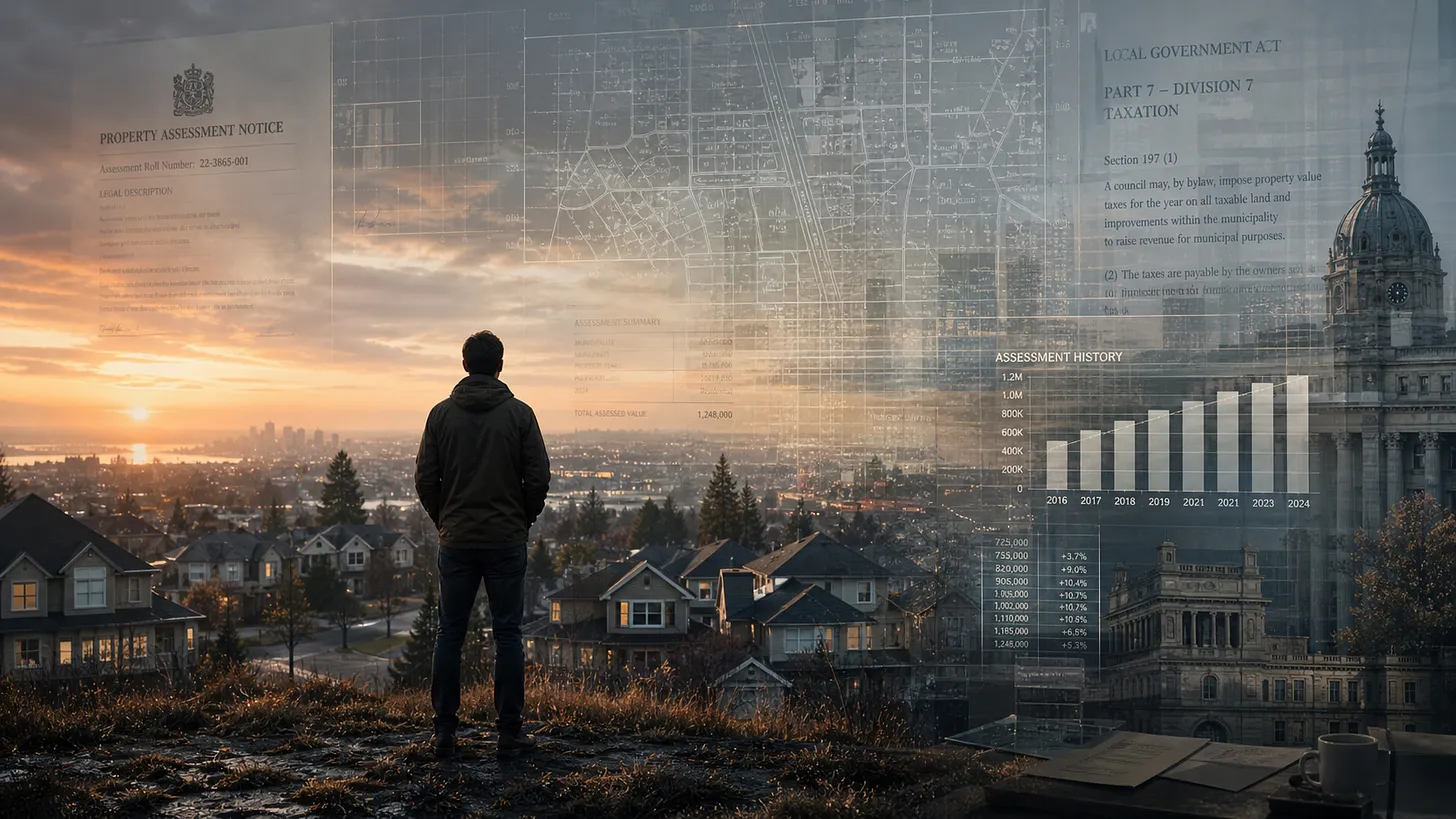
Property, Law, and Perceived Legitimacy: The Quiet Tension of Property Tax

There’s a particular tension that arises when everyday structures, in this case taxation, begin to feel both invisible and unavoidable, as though they’ve grown around the edges of ordinary life without ever being fully examined. Property, law, obligation, and consent blur together in that space where most people are simply trying to live without friction. It’s here that questions about legitimacy, fairness, and participation begin to surface, not as abstractions, but as lived pressure felt through systems that rarely pause to explain themselves.