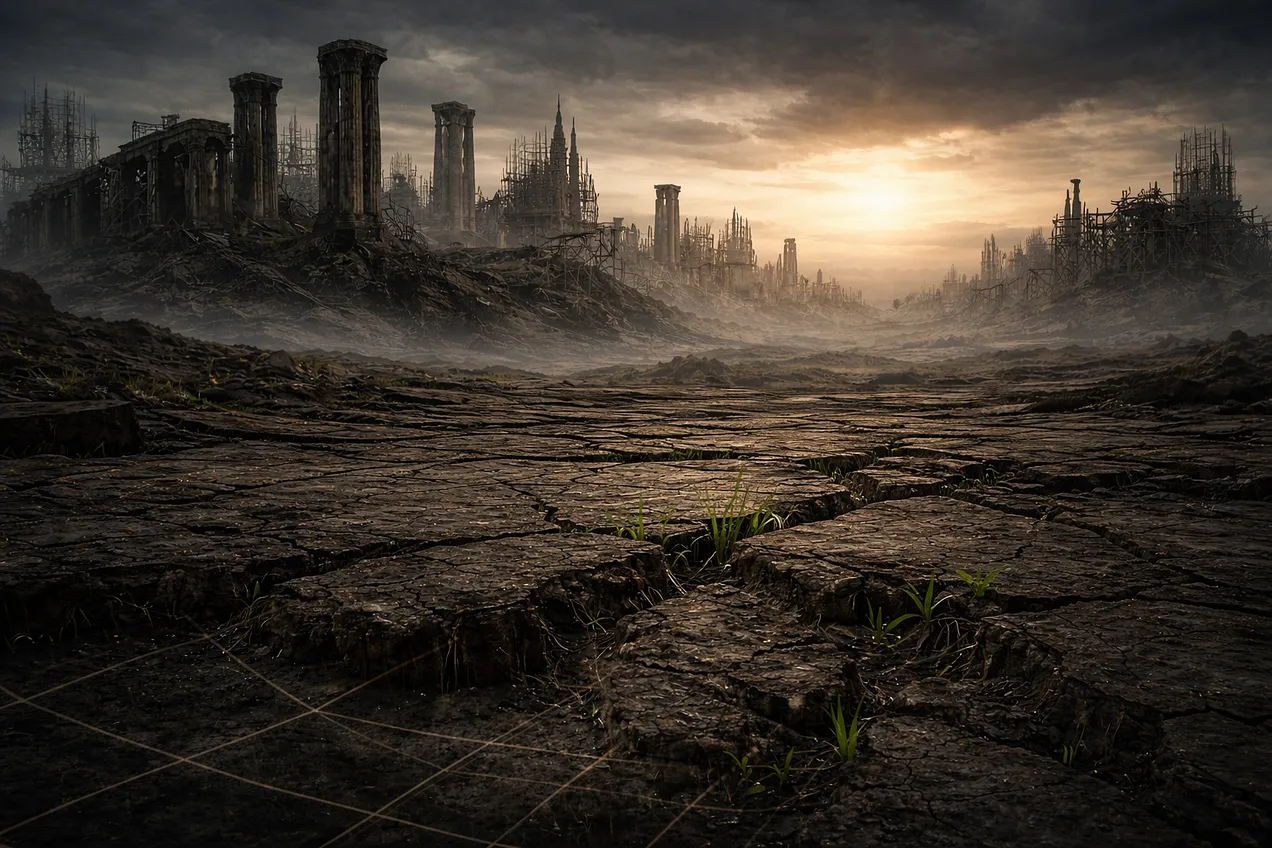
There is a point in any honest inquiry where the conversation stops being about politics, institutions, or history, and starts being about the architecture of reality itself. Not the headlines, the soil. Not the personalities, the pattern. When cycles repeat across empires, ideologies, and centuries, the question ceases to be who is in charge and becomes something far more unsettling: what is it in the scaffolding that keeps reproducing the same distortions? This discourse was not about easy answers. It was about pressing against the edge of explanation and noticing what presses back.
Tag: decentralization

There is a subtle pressure in the air now — not loud, not overtly tyrannical, but pervasive. It hums through headlines, through price spikes at the pump, through glowing screens that promise relief while quietly redrawing the boundaries of human agency. We are told this is progress. We are told this is inevitable. Yet beneath the acceleration lies a deeper question — not whether technology advances, but whether we are advancing with it, or dissolving into it. This discourse is not a battle against tools, but an inquiry into sovereignty in an age that rewards surrender.
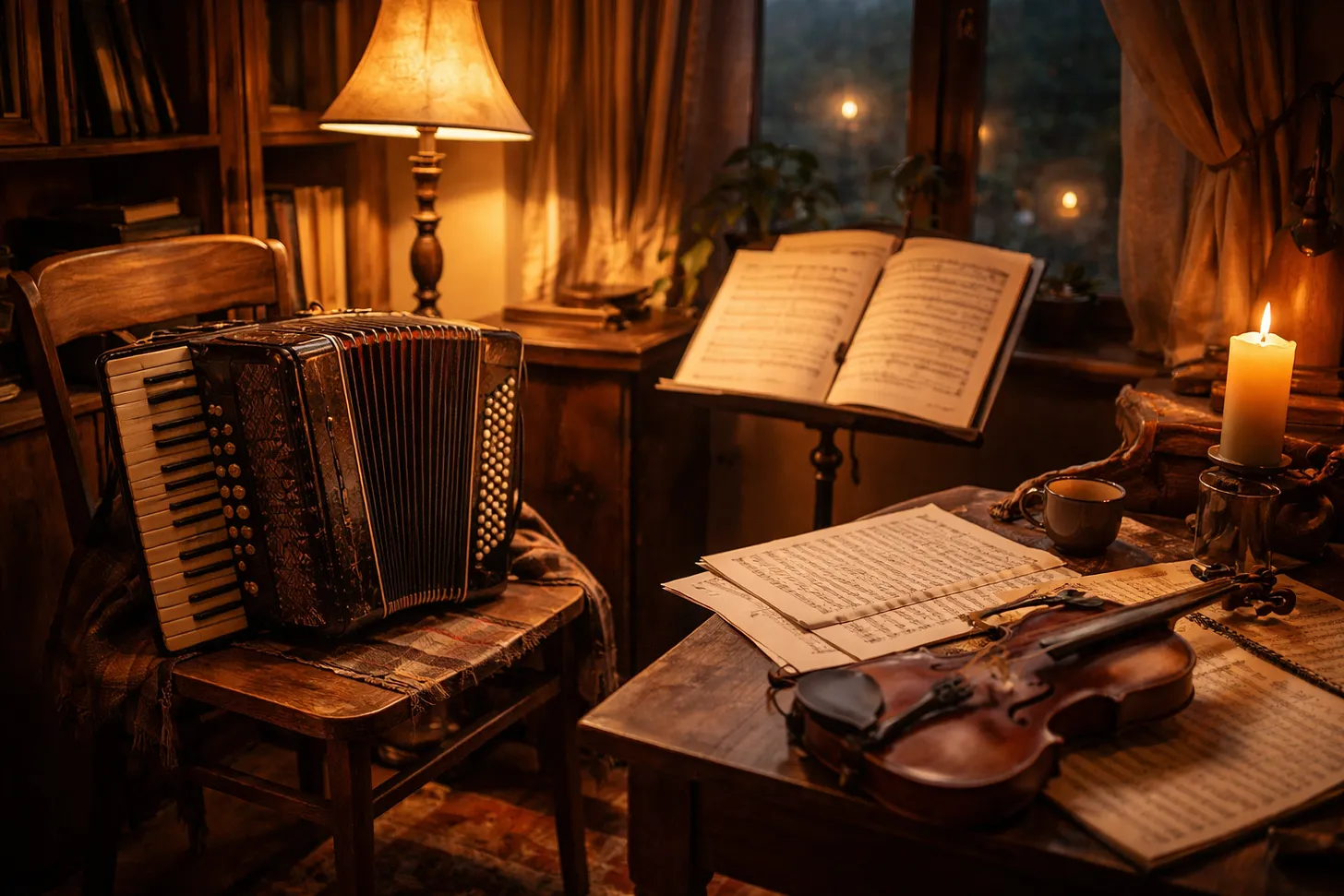
There are moments in a civilization when the question is no longer how to improve the system, but how to remain human within it. We live in an era of speed, saturation, and perpetual mediation, yet meaning, memory, and belonging feel thinner than ever. This dialogue continues an exploration not of collapse as spectacle, but of orientation: what anchors us when institutions wobble, when attention fragments, and when technology quietly replaces participation with observation. If earlier discussions examined sovereignty and authorship, this one turns to something older and deeper — the arts — not as decoration, but as the connective tissue of culture itself.

The present moment feels less like a sudden rupture and more like a long-building pressure finally finding seams. Beneath the noise of politics, markets, and cultural spectacle, something quieter is unfolding — a slow recognition that participation is not the same as authorship, and comfort is not the same as stability. Many capable people sense that the structures they were told to inhabit no longer nourish them, yet they lack language for the unease. What emerges, then, is not rebellion but re-orientation: a search for ground, for continuity, and for a way of living rooted in responsibility rather than abstraction.
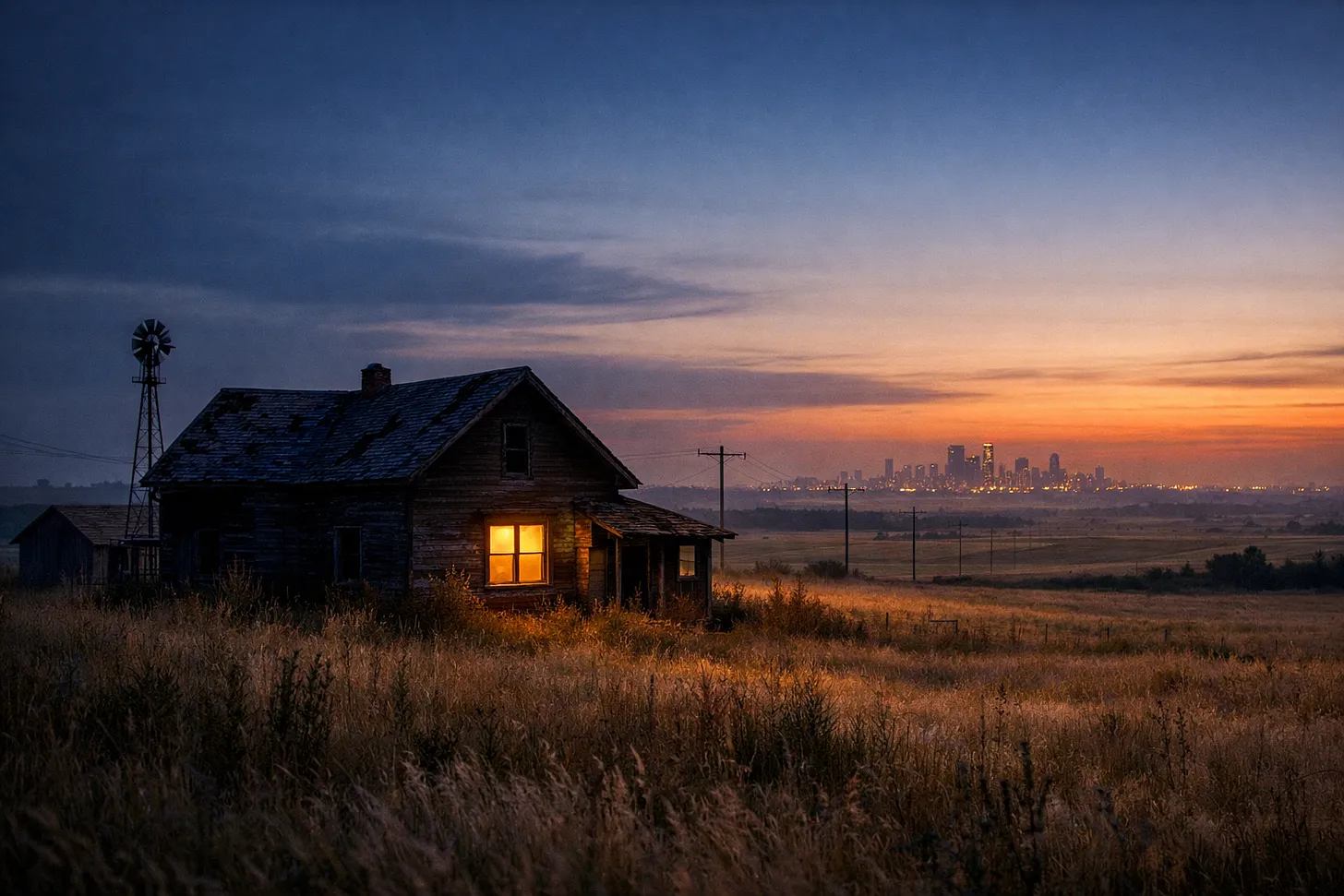
Abandoned towns. Fractured narratives. Institutions straining beneath their own abstractions. We are living in a moment where the scaffolding of modern life feels less permanent than we were promised — and more conditional than we assumed. Beneath the noise, beyond the outrage cycles and ideological theater, something quieter is unfolding: a recalibration. Not rebellion. Not collapse. A remembering. Of land. Of skill. Of competence. Of the fact that maps change, but reality remains.