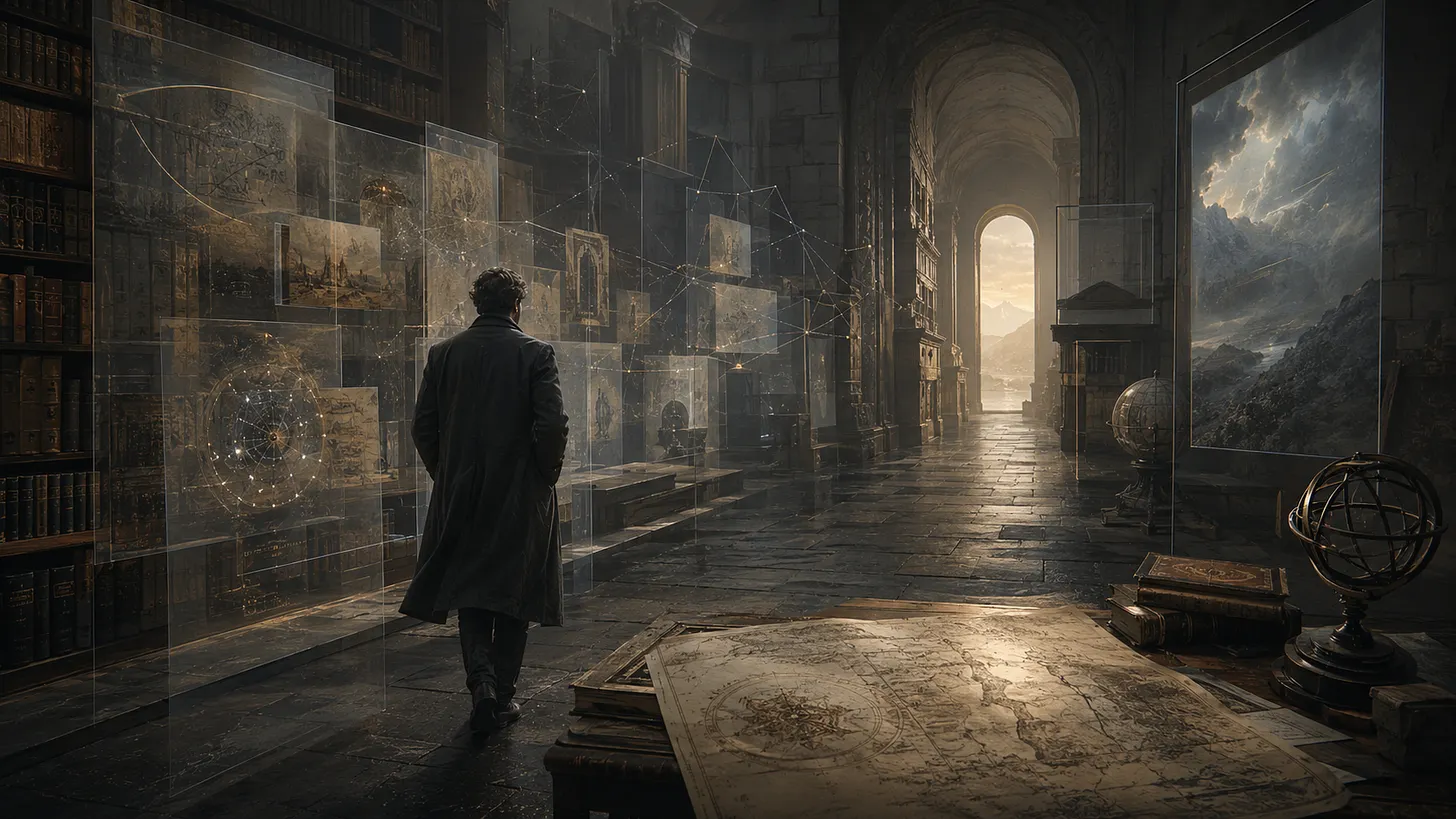
It often seems that the deeper one goes into any subject, the less the matter hinges on isolated facts and the more it reveals itself as a question of orientation. What are we really looking at, and just as importantly, what are we looking through? Somewhere between inherited certainty and independent inquiry lies a more difficult path — one that asks not only whether a claim is true, but what framework made it appear obvious in the first place. That, perhaps, is where this discussion properly begins.
Tag: freedom

There are ideas we encounter that seem to explain everything for a time. They give shape to questions we’ve carried for years, offer language for things we’ve sensed but couldn’t articulate, or open doors into entirely new ways of seeing. But even the most compelling idea can become another place to stop moving. What once expanded us can eventually become another boundary if we become too attached to it.

There is something deeply revealing in the distance between a system that functions and a civilization that knows what it is functioning for. We have become remarkably adept at refining procedures, optimizing processes, measuring outcomes, and promising the next great improvement, yet the larger questions of meaning, purpose, agency, and human flourishing remain stubbornly unresolved. Perhaps the trouble begins when we mistake increasingly sophisticated machinery for wisdom, and forget that every procedure already rests upon a cosmology, whether we acknowledge it or not.
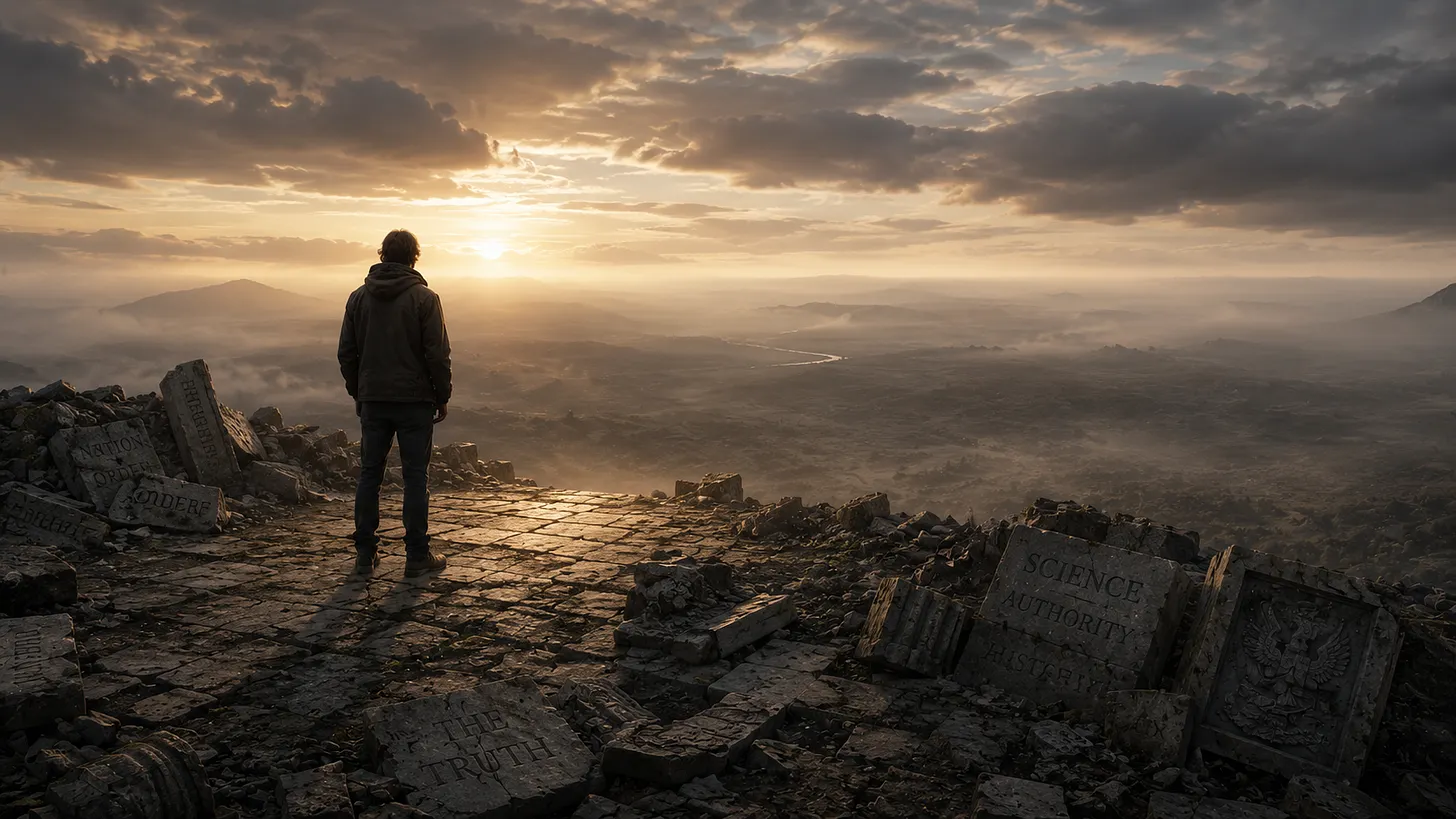
There is a peculiar exhaustion that comes from maintaining a reality some deeper part of you no longer believes. You can learn to live with the contradictions, explain away the inconsistencies, and keep moving through the machinery of everyday life, but the questions remain. Perhaps the greater discomfort isn’t discovering that something you believed was untrue. Perhaps it’s realizing how much of yourself you invested in believing it.

Food is one of those things we can make endlessly complicated, despite the fact that every living creature seems to know what to eat without consulting an expert, downloading an app, or swallowing a handful of supplements. Somewhere along the way, we learned to distrust appetite, intuition, tradition, and even our own bodies. Perhaps the more interesting question isn’t which dietary camp has finally got it right, but how much of what we believe about nourishment, health, and vitality was ever ours to begin with.