Skip to content

Tag: self reliance

Grand Visions, Ungrounded

Most people never stop to consider how much energy, attention, labor, and capital disappear into ideas that never become reality. We celebrate ambition, scale, and grand visions, yet rarely ask what is sacrificed along the way, or what might have been built instead. Somewhere between the promise and the outcome, countless resources are consumed, while simpler, more immediate, and more human solutions remain largely overlooked.

The Conditions of Health: An Ecological Perspective

There comes a point when questioning a system is no longer enough. The deeper task is examining the assumptions beneath it — the beliefs, models, and narratives that have become so commonplace they pass without scrutiny. Health is one such domain. What follows is a reflection on medicine, ecology, observation, and the increasingly urgent need to rediscover principles that existed long before institutions claimed authority over them. It is not a search for new answers so much as a reconsideration of what may have been forgotten.

Friction, Form, and the Unfinished Self

There are moments when other people’s lives don’t feel like comparisons so much as quiet mirrors. Not in the sense of judgment, but in the way they reveal what has been built, what has been avoided, and what still lingers unresolved. The mind tries to sort it all into clean categories of discipline, circumstance, or character, but life rarely cooperates with that kind of clarity. What remains instead is a more uncomfortable honesty about direction, effort, and the stories we tell ourselves to make both feel justified.

Immorality as Infrastructure

There is a growing inability, or perhaps unwillingness, to recognize how deeply modern culture shapes the moral and psychological condition of society. Most people move within systems they neither question nor fully perceive, absorbing values, incentives, behaviors, and narratives as though they emerged naturally rather than being carefully cultivated through institutions, markets, media, and governance itself. Yet beneath the spectacle of progress, inclusion, convenience, and endless consumption lies a deeper erosion, one that gradually disconnects human beings from responsibility, discernment, self-reliance, and ultimately from what is real and true.

Living on the Edge of Dependence: Notes on Self-Sufficiency

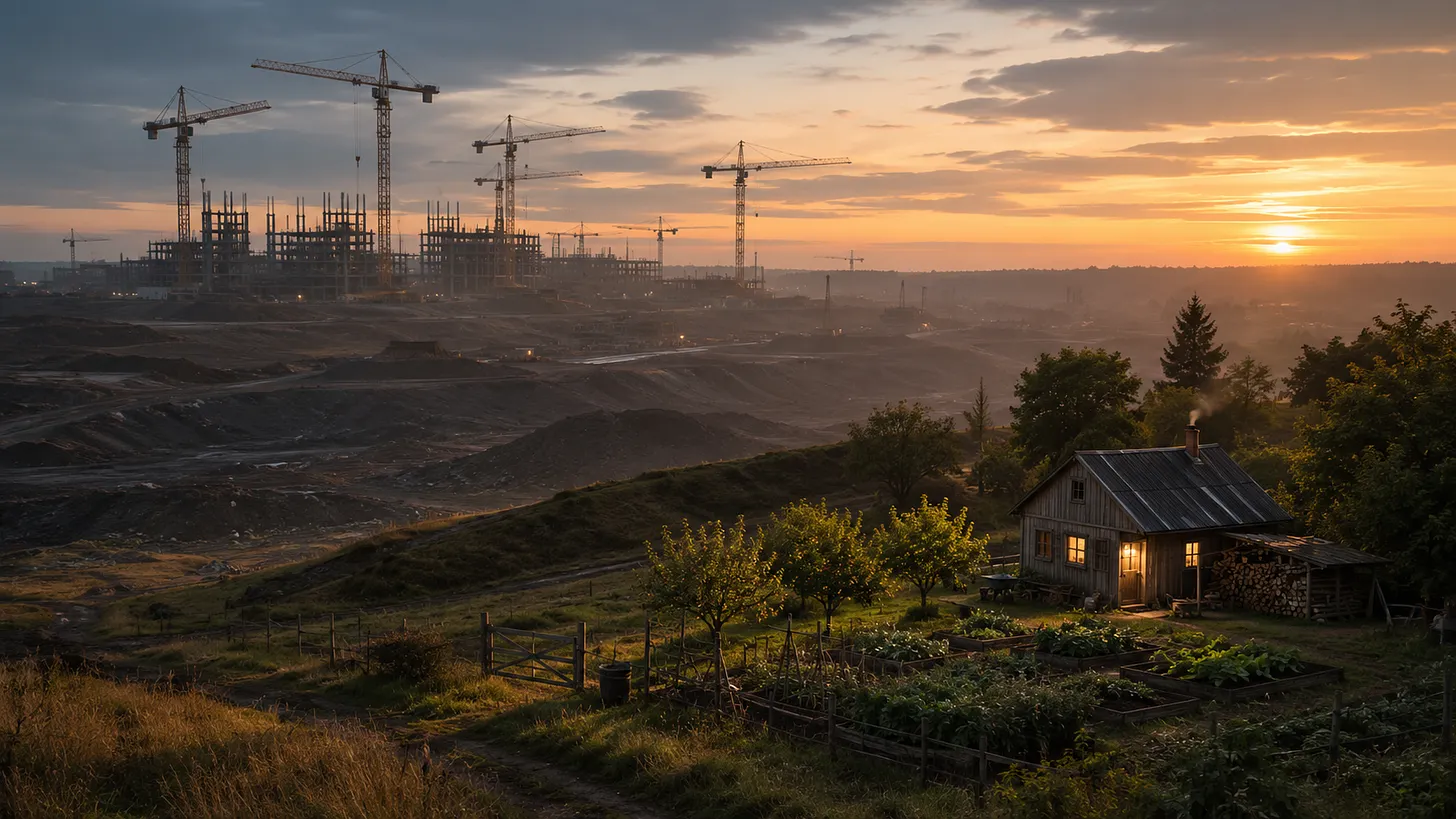
There is a quiet tension running beneath modern life — a subtle friction between what is provided and what is chosen, between convenience and consequence, between the inherited patterns of living and the ones we might still construct for ourselves. In that space, where certainty loosens and questions begin to breathe again, the idea of self-sufficiency appears less as a fixed destination and more as a spectrum of return — to land, to skill, to responsibility, and to the direct weight of one’s own decisions.