
Truth has an odd way of inviting us deeper while reminding us how little we actually know. Every answer seems to uncover another layer, another assumption, another blind spot masquerading as certainty. The more I investigate history, power, institutions, and the stories we inherit, the less interested I become in defending conclusions and the more interested I become in refining discernment. Perhaps that is where genuine inquiry begins.
Tag: social systems

Some conversations begin with a question. Others reveal a fault line. Whether we’re discussing artificial intelligence, medicine, technology, or culture, the deeper inquiry remains the same: what assumptions have quietly become unquestionable? This exchange wandered through familiar territory and uncovered something more enduring than agreement or disagreement. It became an exploration of first principles, of competing worldviews, and of the increasingly difficult task of distinguishing representation from reality.
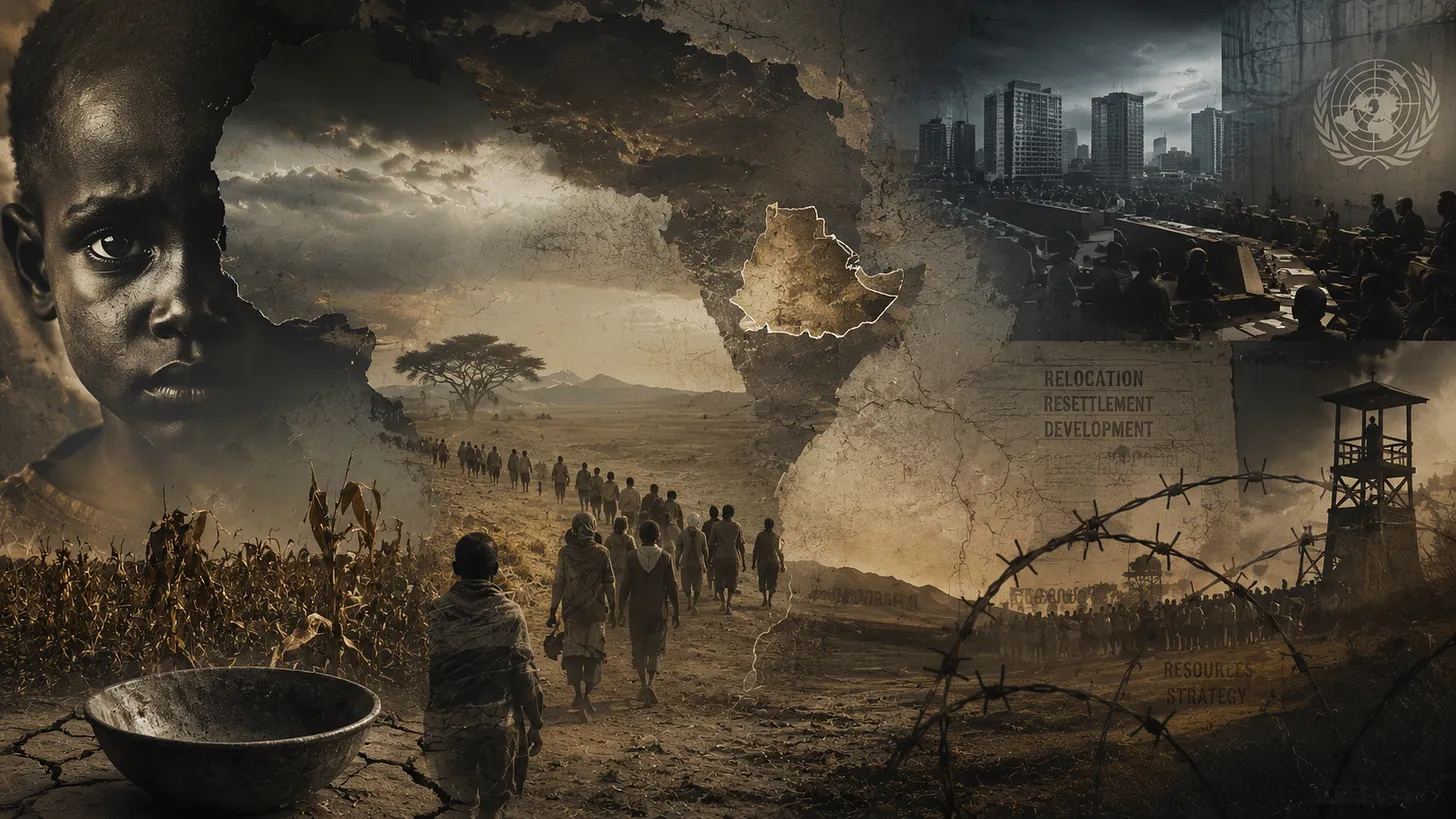
History has a peculiar way of echoing through the present. Sometimes the parallels are obvious; more often they reveal themselves through recurring patterns that transcend borders, ideologies, and generations. This discussion began with a closer look at the Ethiopian famine of the 1980s, but soon widened into a broader reflection on state power, collective memory, institutional narratives, and the enduring tension between human dignity and systems of control. Whether one agrees with every conclusion or not, the recurring questions themselves remain worthy of careful examination.

In this discourse we explored the relationship between sunscreen use, skin cancer research, institutional science, reductionist medicine, genetics, and the broader assumptions that underpin modern healthcare. The discussion moved beyond a single study into questions of behavior, personal responsibility, systems thinking, financial incentives, the limits of scientific models, and the tension between established paradigms and alternative perspectives on health and healing.

There are times when a product, service, or idea arrives wrapped in the language of freedom, sovereignty, and empowerment, yet leaves me wondering whether it’s simply another layer added to an already complex system. I’m not particularly interested in winning a technological arms race against the institutions that built the infrastructure in the first place. I’m far more interested in understanding what is actually necessary, what genuinely serves a meaningful life, and where the line exists between useful tools and unnecessary dependence.