
The more I examine the stories we tell ourselves about progress, stewardship, and responsibility, the more I find that the technical details are only ever the surface. Beneath them lies something far more revealing: the values we choose to elevate, the assumptions we rarely question, and the philosophies that quietly shape the decisions affecting us all.
Tag: freedom

Every era tells itself a story about progress. We inherit those stories long before we possess the discernment to question them, and, more often than not, spend much of our lives defending assumptions we never consciously chose. But every so often, something begins to unravel. A contradiction becomes too obvious to ignore, and the narratives that once seemed self-evident begin to reveal themselves as carefully maintained illusions.

Beyond the Earthquake: Truth, Power, and Perception
Interpreting Crisis Beyond the Headlines
Every event carries more than its immediate consequences. Beyond the headlines, casualty counts, and official statements lies another layer of inquiry, one concerned less with certainty than with the frameworks through which we arrive at it. Whether the subject is a natural disaster, a political crisis, or a cultural moment, what we choose to believe often reveals as much about ourselves as it does the event before us. This conversation unfolded within that tension, exploring not only what happened, but how we decide what is true in the first place.

Recovering Inner Authority: Discernment in the Age of AI
Wisdom in an Age of Explanation
The pace of technological change has always outstripped our ability to understand its consequences. Today, however, the challenge feels different. We are no longer simply adapting to new tools; we are navigating a world increasingly shaped by narratives, algorithms, and systems that ask us to trust them before we’ve had time to question them. Whether that trust is well placed remains an open question, and perhaps that’s precisely where our attention belongs.
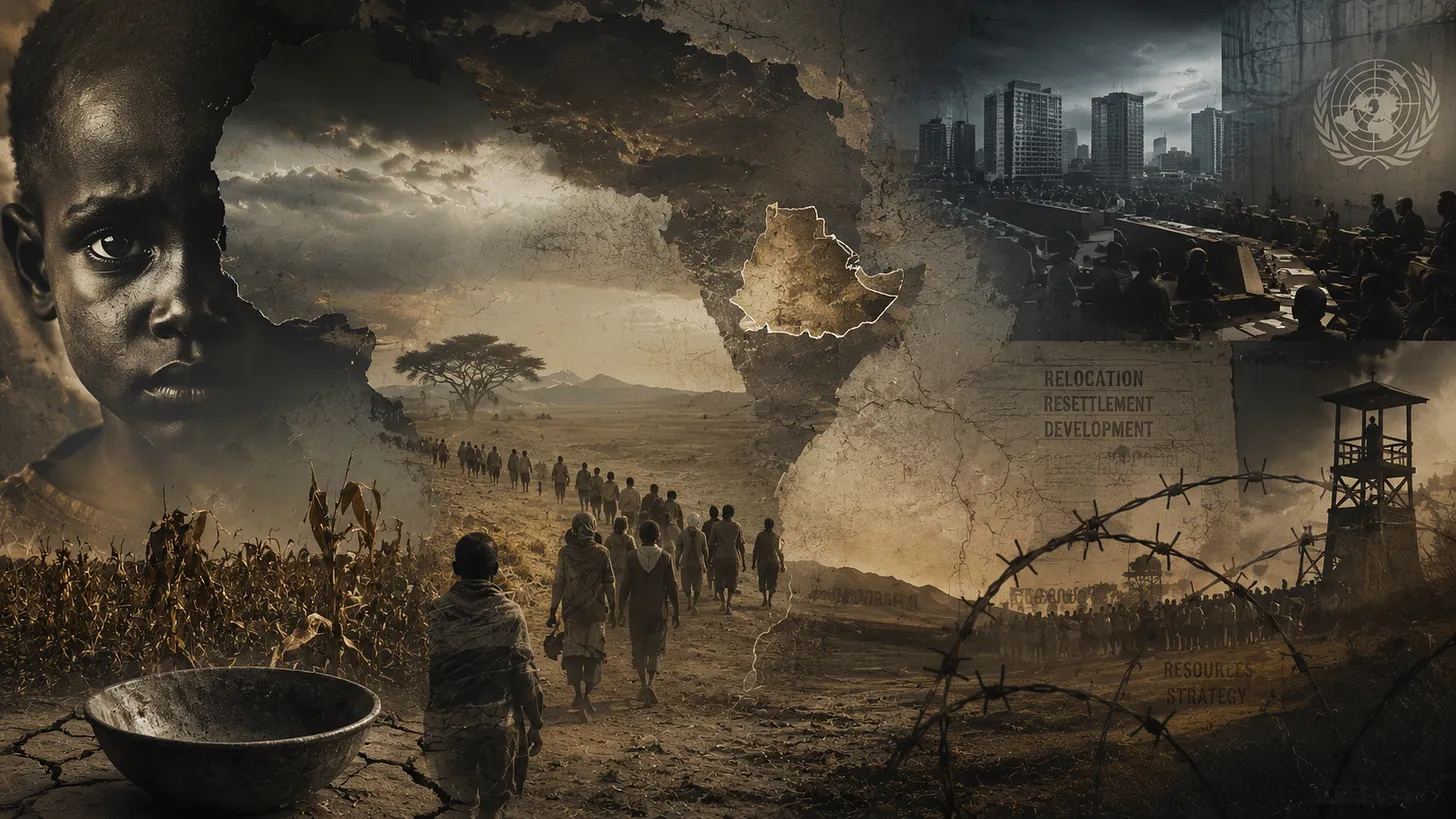
History has a peculiar way of echoing through the present. Sometimes the parallels are obvious; more often they reveal themselves through recurring patterns that transcend borders, ideologies, and generations. This discussion began with a closer look at the Ethiopian famine of the 1980s, but soon widened into a broader reflection on state power, collective memory, institutional narratives, and the enduring tension between human dignity and systems of control. Whether one agrees with every conclusion or not, the recurring questions themselves remain worthy of careful examination.