
We have limited time and attention. The modern world is exceptionally good at capturing both. Whether we pursue mastery, general competence, family, travel, career, self-sufficiency, or something else entirely, every choice carries an opportunity cost. The challenge is not choosing the “right” path, but choosing consciously rather than being swept along by inherited expectations, cultural narratives, or manufactured priorities.
Tag: social systems
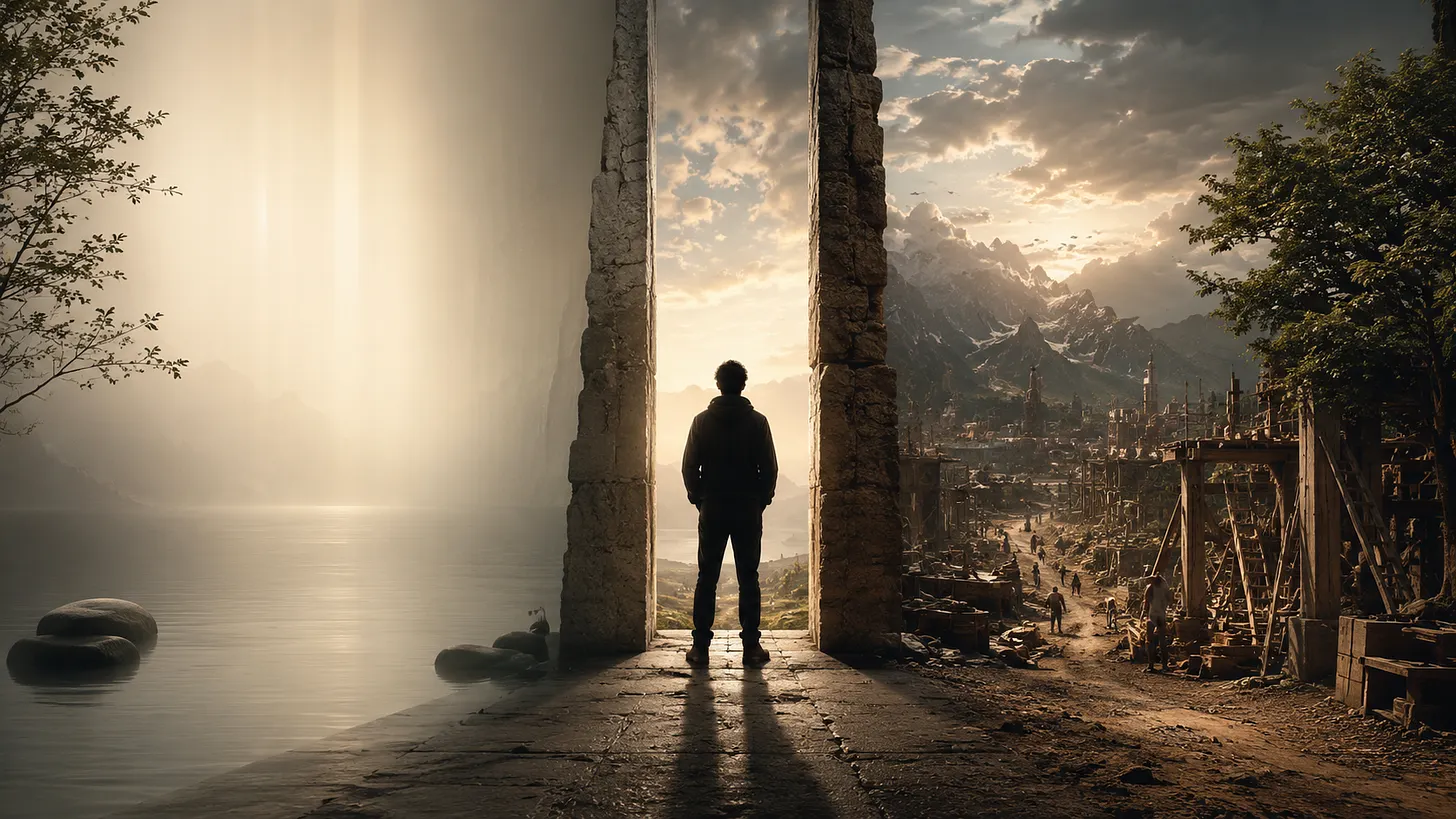
There’s a point in any serious inquiry where reflection starts to feel insufficient, not because it’s wrong, but because it begins to circle the same inner terrain. Something in the system stabilizes, and what once felt like revelation starts to resemble suspension. In that space, the question is no longer what is true in theory, but what is required in motion, in contact, in the lived friction of things as they are.

There comes a point in life where movement itself no longer feels like freedom, where endless options, constant reinvention, and perpetual distraction begin to reveal themselves as forms of fragmentation rather than expansion. In quieter moments, beyond the noise of performance and identity, something deeper begins attempting to reorient us toward what is real, rooted, and enduring.

There is a tendency to assume that wealth sits outside of us, as something to be acquired, measured, or finally solved. Yet much of what shapes our experience of it appears to operate beneath the surface, in quieter patterns of attention, belief, and emotional conditioning that repeat themselves until they are no longer noticed. What follows is an attempt to trace those patterns as they present themselves, without rushing to resolve them into certainty, but instead to observe how they move through perception, choice, and the way we relate to value itself.

There are moments when other people’s lives don’t feel like comparisons so much as quiet mirrors. Not in the sense of judgment, but in the way they reveal what has been built, what has been avoided, and what still lingers unresolved. The mind tries to sort it all into clean categories of discipline, circumstance, or character, but life rarely cooperates with that kind of clarity. What remains instead is a more uncomfortable honesty about direction, effort, and the stories we tell ourselves to make both feel justified.