Skip to content

Lux Colloquii

Lux Colloquii is Latin for light through conversation. It reflects the throughline of my work: amplifying the light through an ongoing exploration of ideas and possibilities in conversation with AI.

Spanning philosophy, psychology, politics, metaphysics, spirituality, science, wellness, and more, this space — like my journal — exists as a forum for curiosity, reflection, and genuine inquiry. Each post unfolds as a question-and-answer dialogue, documenting authentic exchanges with AI that explore knowledge, consciousness, and the human experience.

There is no truly neutral AI. Every model reflects assumptions, biases, and limitations. There are guardrails and boundaries to what any top-level AI is, and is not, allowed to say. As such, this project is as much an exercise in critical thinking, discernment, and intuition as it is a record of conversation. I encourage you to question, verify, and investigate ideas for yourself. Nothing published here should be considered medical, financial, legal, or health advice.

If you’re drawn to thoughtful dialogue and fresh perspectives on both timeless and emerging questions, Lux Colloquii invites you to engage, question, and explore.

In all things, amplify the light.


It’s Plausible: Truth, Repetition, and the Manufacture of Belief

It’s Plausible: Truth, Repetition, and the Manufacture of Belief

Disinformation in the Age of AI

Somewhere along the way, “truth-seeking” on the internet became its own strange ecosystem, complete with its own language, symbols, authorities, personalities, and recurring narratives. What begins as a reasonable question can quickly become something much harder to disentangle, particularly when genuine facts are mixed with speculation, technical language, and claims that seem to explain everything at once. This discussion started with one such story and ended somewhere considerably more interesting.

Film: Entrainment and the Moving Image

Film: Entrainment and the Moving Image

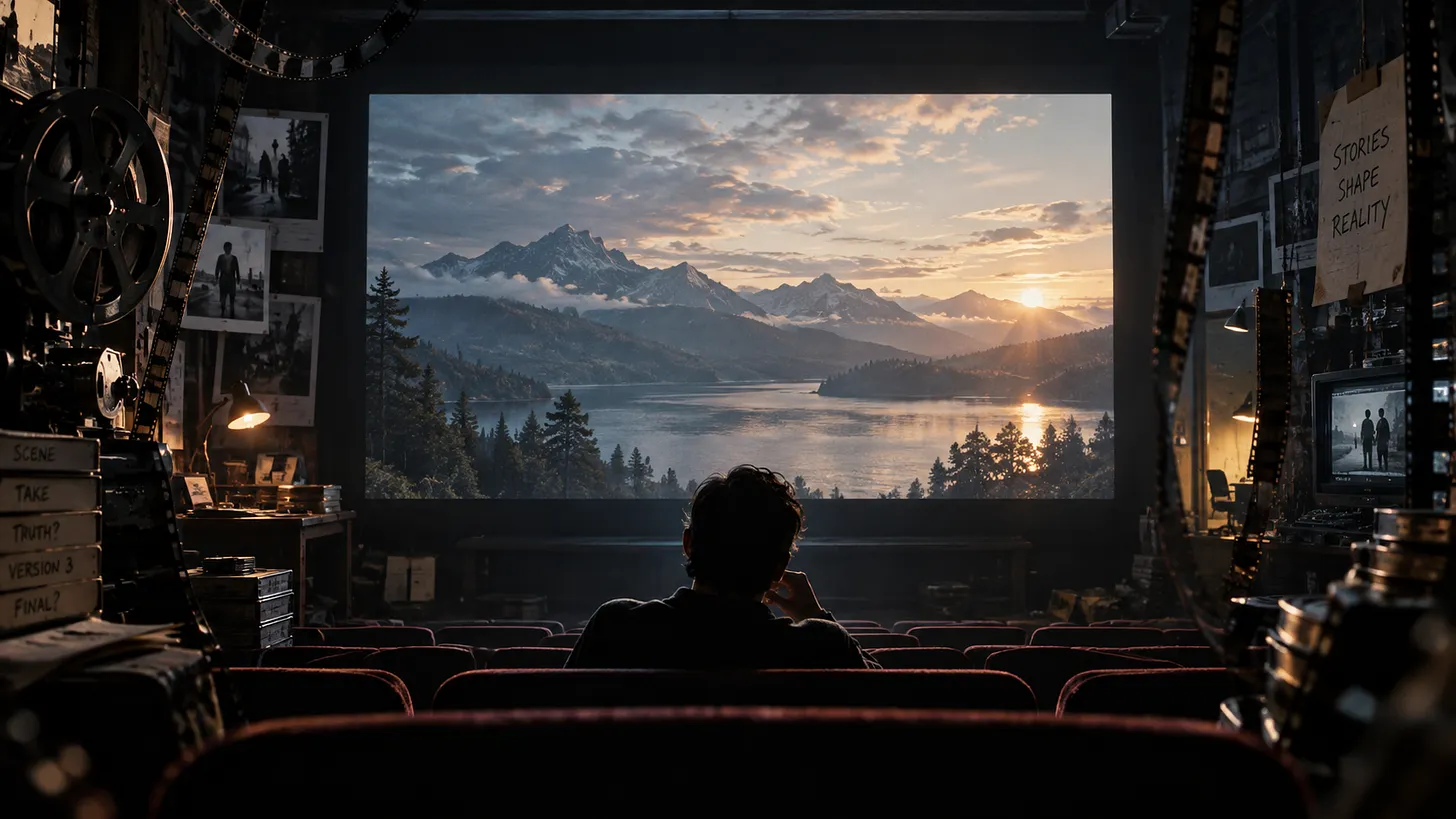
The Machinery Behind the Story

The deeper I get into these questions, the less interested I become in identifying a single person, institution, or hidden hand behind them. The more interesting thing, to me, is the machinery itself: the stories we inherit, the images we absorb, the things we are repeatedly shown, and the things that quietly disappear outside the frame. Somewhere in all of that is the question of how much of what we call our own perception has actually been shaped for us.

The War Machine: From Battlefields to Algorithms

The War Machine: From Battlefields to Algorithms

Power, Systems, and Human Agency

The conversation moves from the familiar statistic about America’s history of war into something broader: the machinery beneath the stories we inherit, the systems that shape what we believe, and the increasingly strange territory created by AI. What interests me here isn’t simply whether one side or another is right, but what happens when the structures themselves become harder to see, harder to question, and eventually difficult to distinguish from reality.

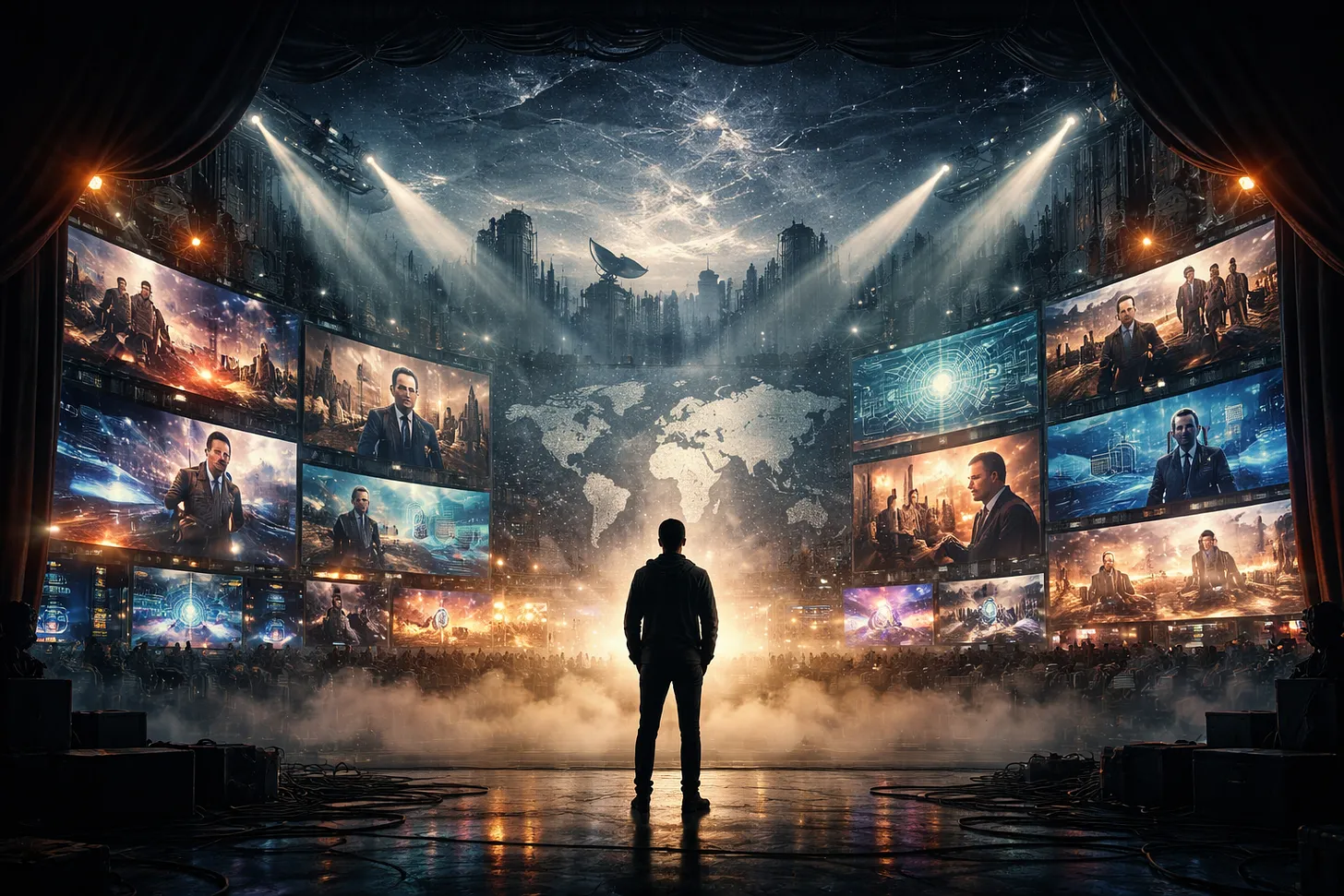
The Spectacle Machine: War, AI, and the Architecture of Perception

The Spectacle Machine: War, AI, and the Architecture of Perception

We live in a peculiar moment where the spectacle of the world increasingly resembles a poorly disguised stage production. The language of power, war, technology, and security is repeated endlessly until it begins to resemble something closer to theater than truth. Narratives are curated, crises are framed, and the public is invited to participate as spectators in a drama that feels both monumental and strangely hollow. In such a climate, the real challenge is not deciphering every detail of the spectacle — but learning to recognize the difference between the noise of the system and the quiet signal of reality itself.

Coffee, Capitalism, and the Erosion of Stillness

Coffee, Capitalism, and the Erosion of Stillness

Modern life does not fail loudly — it hums. It hums with stimulation, urgency, and ritualized compensation, masking misalignment just well enough to keep the machinery turning. Coffee, caffeine, and the countless “small” stimulants threaded through daily life are rarely questioned because they feel benign, even necessary. Yet beneath their ubiquity lies a subtler function: sustaining motion in systems that no longer nourish the human nervous system, spirit, or sense of meaning. What follows is not an indictment of coffee, but an examination of what it reveals.

The Anatomy of a Managed Collapse: Signals from a Civilization in Freefall

The Anatomy of a Managed Collapse: Signals from a Civilization in Freefall

There comes a point when the veil thins just enough for the attentive soul to glimpse the machinery behind the pageantry — the hum of consensus, the choreography of perception, the strange theatre of a world insisting on its own stability even as its foundations tremble beneath us. In that space between what we’re told and what we quietly observe, a deeper truth stirs, asking only that we stay awake long enough to notice what no headline ever will.